Universities plan thousands of online exams this semester. However, headlines show privacy lawsuits, student boycotts, and cheating scandals. Institutions now scramble to balance credibility and compassion. An ai based remote proctoring system offers scale, but not safety by default. Consequently, leaders ask for a structured roadmap. This article unveils a five-pillar framework backed by recent data, legal developments, and expert guidance. It distills NIST identity standards, market statistics, and student equity findings into clear controls. Moreover, it highlights global trends in ai proctoring 2026 and beyond. By following these pillars, exam bodies can protect integrity without sacrificing trust.
AI Based Remote Proctoring System
Market analysts value the sector at roughly USD 1.49 billion for 2026. ResearchAndMarkets reports a near 10% CAGR through 2032. Furthermore, new contracts such as CUNY’s March 2025 deal with YuJa show institutional momentum. Yet privacy litigation and access gaps temper adoption.
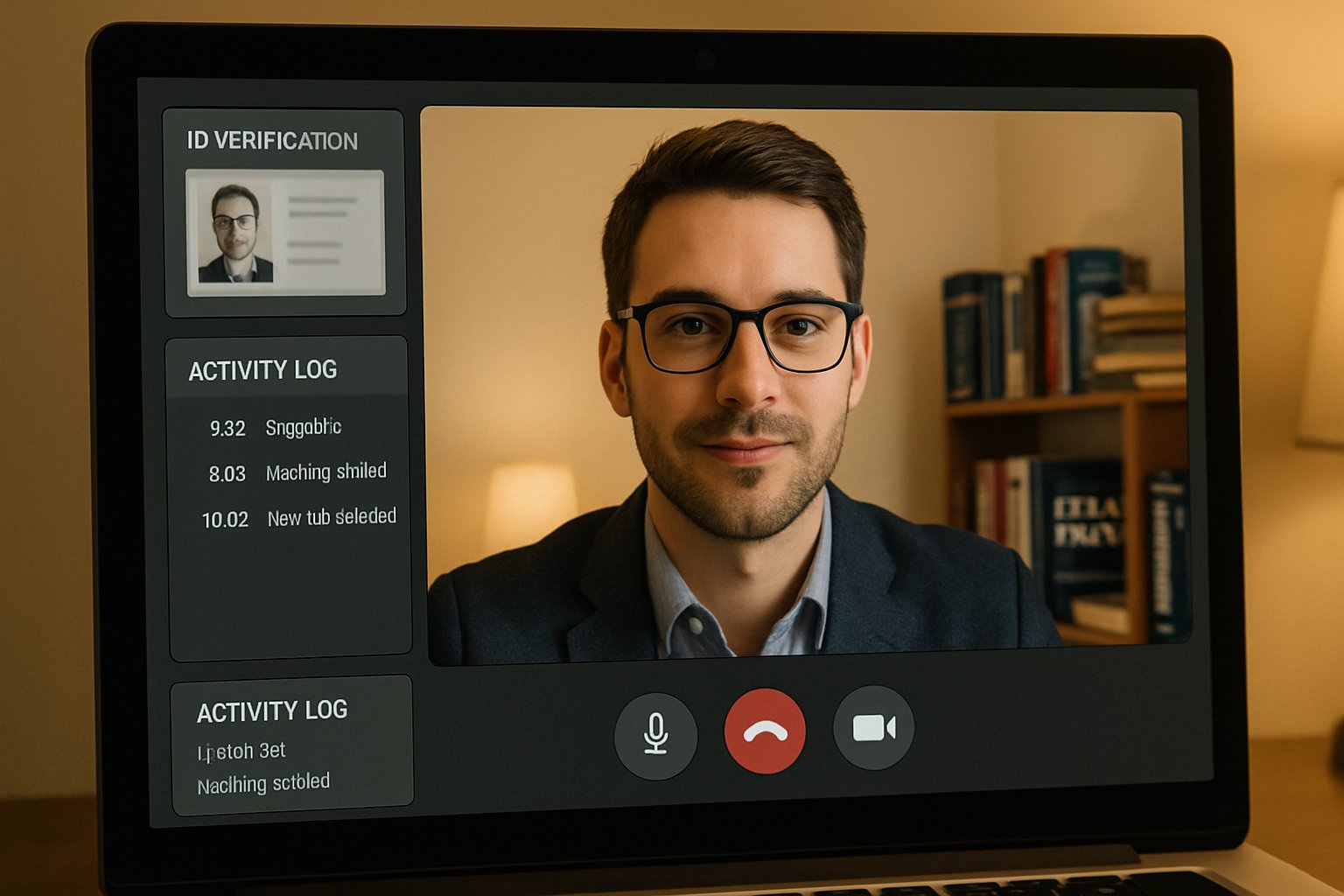
Consequently, decision-makers shift from vendor hype to holistic design. The five pillars provide that alignment and answer ongoing global trends in ai proctoring 2026. Let’s examine each pillar.
Key takeaway: market growth remains strong, but scrutiny intensifies. Therefore, institutions need a disciplined framework before deploying proctoring tools.
Pillar One Identity Assurance
Identity sets the foundation. NIST SP 800-63 outlines Assurance Levels that match exam stakes. For high-stakes tests, supervised document checks plus multi-factor authentication reach AAL2 or higher. Additionally, many vendors now offer biometric binding, though bias audits remain essential.
Deploying these controls makes the ai based remote proctoring system defensible in appeals. However, over-strict proofing can exclude learners who lack government IDs or stable connectivity. Offer in-person alternatives and record every decision path.
Strong authentication deters imposters while safeguarding due process. Next, secure the devices themselves.
Pillar Two Environment Integrity
Lockdown browsers, VM detection, and pre-exam diagnostics restrict digital shortcuts. Respondus LockDown Browser remains common, yet newer lightweight agents emerge. Moreover, ISO-certified vendors now publish transparent penetration test results.
An ai based remote proctoring system should run browser locks alongside network monitoring for file-sharing or remote-desktop traffic. Provide clear installation guides, fallback devices, and accessibility support to reduce failure rates.
Nevertheless, some learners still circumvent controls with second devices. Pair environment integrity with smart monitoring, the next pillar.
This pillar minimizes technical cheating windows. Consequently, human and AI surveillance can focus on fewer high-risk signals.
Pillar Three Smart Monitoring
Automated flags catch gaze shifts, additional voices, and unusual keystrokes. However, false positives spike without human context. Studies show over 50% of students feel algorithms misinterpret normal behavior.
Blend AI detection with trained reviewers who follow documented rubrics. A balanced approach turns the ai based proctoring exam session into reliable evidence, not random alerts. Schedule random audits to test reviewer consistency.
When the ai based remote proctoring system escalates a flag, provide rapid appeals and data transparency. Maintain chain-of-custody logs for legal resilience.
Effective monitoring requires iterative tuning and humane oversight. Next, institutions must govern the collected data responsibly.
Pillar Four Privacy Governance
Data minimization sits at the heart of compliance. GDPR and FERPA demand purpose limitation, retention schedules, and explicit consent. Moreover, recent court rulings on room scans highlight constitutional concerns.
Therefore, configure the ai based remote proctoring system to store only essential artifacts and auto-delete after appeals expire. Publish plain-language notices and allow opt-out paths such as proctored centers.
Global trends in ai proctoring 2026 show vendors touting ISO 42001 and SOC-2 reports. Always verify these claims and embed audit rights in contracts.
Clear governance reduces legal exposure and builds student trust. Equality now enters the spotlight.
Pillar Five Student Equity
Bandwidth, caregiving duties, and disability accommodations all influence exam fairness. Surveys reveal up to 60% of learners struggle with home proctoring logistics. Consequently, equity controls must accompany every technical safeguard.
Offer loaner laptops, extended windows, and on-campus rooms. Meanwhile, track demographic flag rates to uncover algorithmic bias. An inclusive ai based remote proctoring system drives higher course completion and reduces disputes.
In contrast, ignoring equity multiplies appeals and reputational damage, particularly as global trends in ai proctoring 2026 favor student-centric design.
Equity ensures legitimacy across diverse cohorts. Finally, translate the five pillars into daily operations.
Action Readiness Checklist 2026
The following quick wins reinforce the framework:
- Complete a privacy impact assessment before any ai based proctoring exam rollout.
- Demand ISO 27001, SOC-2, and breach-notification clauses from vendors.
- Mandate human review and transparent appeals within the ai based remote proctoring system.
- Run accessibility and bias tests with diverse volunteers.
- Publish retention and deletion timelines that meet local law.
Moreover, appoint a cross-functional governance board that audits metrics quarterly. Consequently, issues surface early and remedial actions remain swift.
This checklist operationalizes the pillars and future-proofs assessments. Now, explore why Proctor365 excels at every step.
Secure at-home testing demands synchronized identity, environment, monitoring, governance, and equity controls. When each pillar activates, cheating chances drop, student confidence rises, and regulatory threats shrink. This ai based proctoring exam landscape will keep evolving, yet an ai based remote proctoring system built on this framework positions institutions for sustainable success.
Why Proctor365? The platform fuses AI-powered proctoring, advanced identity verification, and cloud scalability into one seamless stack. Trusted by global exam bodies, Proctor365 embeds human review, ISO-aligned security, and rich analytics. Therefore, your ai based remote proctoring system gains instant robustness. Explore how it preserves exam integrity today at Proctor365.ai.
Frequently Asked Questions
- How does Proctor365 ensure exam integrity?
Proctor365 secures exam integrity with AI-powered proctoring by combining robust identity verification, secure environment controls, and smart monitoring. These advanced measures deter cheating and reinforce trust. - What enhanced identity verification measures does Proctor365 use?
Proctor365 employs multi-factor authentication, biometric binding, and document checks aligned with NIST standards. These measures ensure that only genuine test takers participate in high-stakes online exams. - How does Proctor365 balance exam security with student equity?
Proctor365 supports student equity by offering alternative on-campus testing, extended exam windows, and accessible support. This balanced approach maintains robust security while addressing connectivity and resource challenges. - How does Proctor365 protect privacy and ensure compliance in remote proctoring?
Proctor365 prioritizes privacy by minimizing data collection, auto-deleting unnecessary records, and offering transparent consent. This design aligns with GDPR, FERPA, and ISO standards while safeguarding student information.