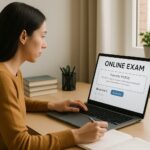
If you plan to become an online exam proctor in 2026, now is the moment to prepare. Demand remains strong, yet institutions face fast changes as AI bolsters security and also fuels new cheating tools. Consequently, universities, certification bodies, and corporate training teams all need skilled proctors who understand both technology and policy. This article delivers a clear seven-step roadmap grounded in current market data, legal shifts, and vendor trends.
However, prospective proctors face stricter privacy rules and shifting client policies. Intense scrutiny now surrounds at home proctored exam reliability. Moreover, they should master how ai proctoring detects cheating, from side-angle cameras to real-time flagging dashboards. The following guide explains required equipment, platform training, and the soft skills needed for calm sessions. Each step ends with a takeaway, helping hiring managers and applicants align expectations.
Remote Proctoring Market Shift
Online proctoring revenue sits near one billion dollars worldwide, according to multiple vendor reports. Moreover, forecasts suggest single-digit yearly growth through 2028, although estimates vary widely. However, policy moves like the ACCA withdrawal from remote exams show the landscape can pivot fast. Consequently, any career plan must track demand, privacy rules, and AI feature rollouts.
Key market facts appear below.
- 50–65% of North American universities already use some proctoring solution.
- Vendor pay models range from $14 to $25 per hour for live roles.
- BIPA lawsuits continue to challenge biometric data collection practices.
These numbers confirm steady opportunity but highlight evolving risk. Therefore, anyone who hopes to become an online exam proctor should review growth data and legal headlines first.
The next section maps the role choices available.
Become An Online Exam Proctor
The first decision involves role type. Live monitoring demands constant attention, yet automated review focuses on dashboard analysis. Furthermore, hybrid AI plus human modes appear in most vendor catalogs for 2026. Decide early, then match your availability to peak testing windows. This clarity streamlines later applications.
When this choice aligns with employer needs, candidates move smoothly to prerequisites.
Meet Core Role Prerequisites
To become an online exam proctor, you must clear background checks and sign confidentiality agreements. Additionally, institutions verify identity documents and sometimes require fingerprinting. Prospective hires should gather government ID, references, and a recent resume before opening any application portal. Many vendors also test basic computer literacy.
Some bodies also check the suitability of your space for an at home proctored exam before final approval. Finishing these steps proves reliability and speeds onboarding. Consequently, you can focus on equipment preparation next.
Prepare Gear And Workspace
Reliable hardware underpins every at home proctored exam session. Therefore, secure a wired internet connection, HD webcam, and noise-cancelling headset. Most platforms now ask for a second camera that shows a side angle. Moreover, lockdown browsers restrict other applications, so ensure your device passes compatibility tests.
To become an online exam proctor, invest in good lighting and a private room that blocks interruptions. These details prevent incident flags and build candidate trust.
With equipment sorted, attention shifts to platform training.
Complete Platform Training Modules
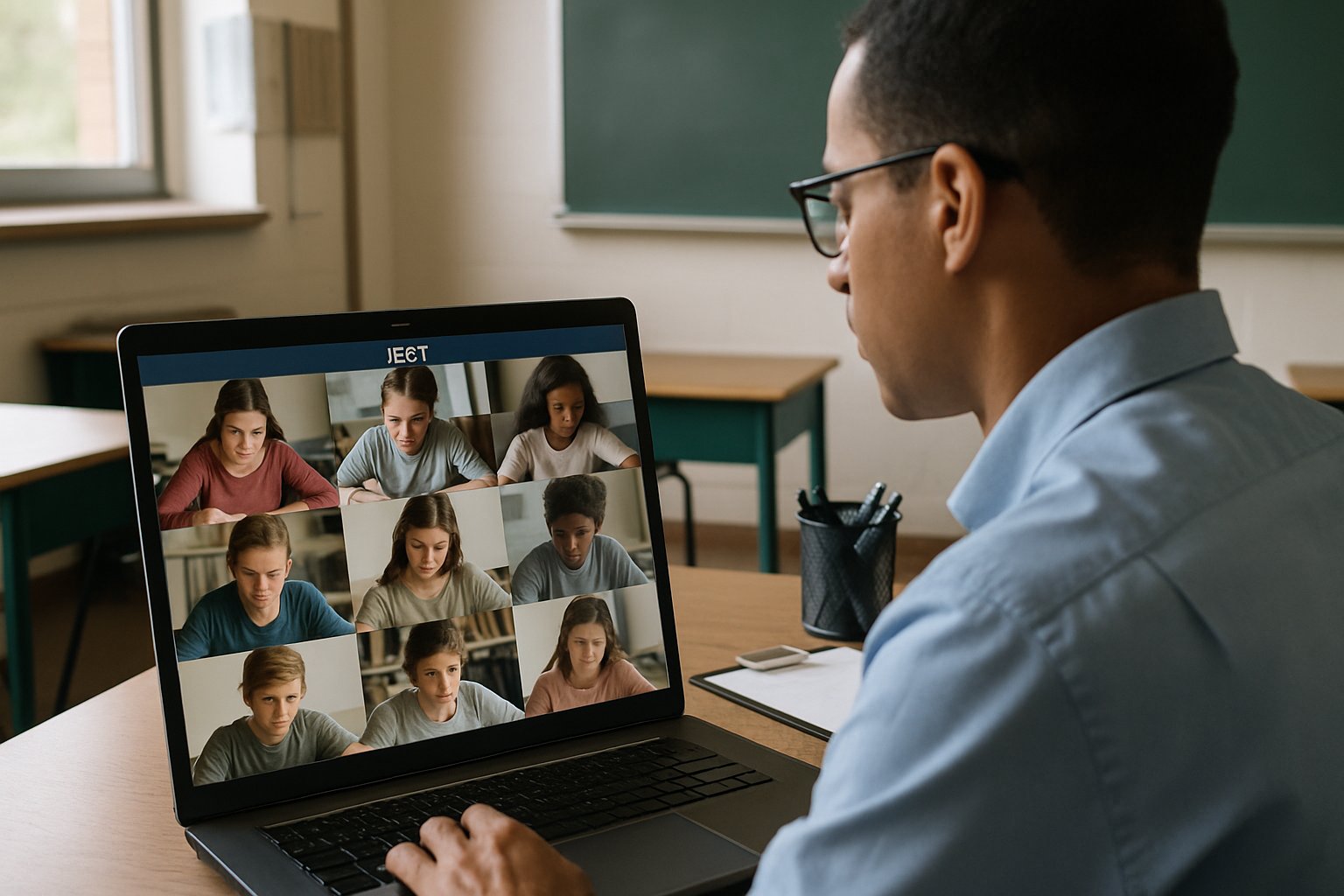
Vendor tutorials explain registration flows, ID verification scripts, and how ai proctoring detects cheating. Courses often include practice sessions that simulate suspicious movements. Consequently, trainees learn to distinguish genuine misconduct from false positives. Several bodies mandate annual re-certification, so schedule reminders.
Completing these modules helps you become an online exam proctor ready for real exams. Moreover, you gain familiarity with escalation paths and report templates.
Now, convert training into paid work.
Apply Practice Communicate Skills
Submit applications to Examity, Meazure Learning, PSI, or local test centers once training ends. Set clear availability blocks; overnight slots remain underserved. Then, run mock exams with friends to sharpen response times.
Essential Soft Skills List
- Calm, concise communication during outages.
- Fast judgment when dashboards flag issues.
- Empathy for anxious candidates.
- Accurate, time-stamped incident notes.
These traits, combined with technical knowledge of how ai proctoring detects cheating, impress hiring managers. Importantly, they also help you become an online exam proctor who maintains fairness.
Success here leads to long-term relevance, yet only if you stay informed.
Stay Current Reduce Risk
Market rules evolve quickly. For example, privacy litigation around at home proctored exam technology prompts contract rewrites every quarter. Therefore, follow vendor bulletins, subscribe to regulatory feeds, and join professional forums.
Regular updates on how ai proctoring detects cheating reveal new camera angles, biometric checks, and analytics dashboards. Incorporate these insights to remain a trusted remote proctor who anticipates change, not one who reacts late.
We now close with key lessons and a proven platform option.
Conclusion: The seven steps above provide a practical roadmap. They cover prerequisites, hardware, training, applications, and ongoing learning. Each part hinges on strong ethics, legal awareness, and tech fluency.
Why Proctor365? Professionals who aim to become an online exam proctor choose Proctor365 for good reason. The platform offers AI-powered proctoring, advanced identity verification, and scalable monitoring trusted by global exam bodies. Consequently, institutions secure exam integrity while candidates enjoy seamless sessions. Explore Proctor365 now at proctor365.ai and elevate your remote testing strategy.
Frequently Asked Questions
- What prerequisites are needed to become an online exam proctor?
Prospective proctors must clear background checks, secure government IDs, pass computer literacy tests, and provide workspace details. Proctor365 leverages advanced identity verification to ensure exam integrity. - How does AI proctoring help in detecting cheating?
AI proctoring monitors suspicious behaviors using side-angle cameras, real-time flagging dashboards, and biometric checks. This technology reduces fraud risks and enhances exam security with platforms like Proctor365. - What essential equipment is required for robust remote proctoring?
A wired internet connection, HD webcam, noise-cancelling headset, and a secondary camera are vital. Reliable hardware and lockdown browsers secure the exam environment as recommended by Proctor365. - How does Proctor365 maintain exam integrity in an evolving market?
Proctor365 uses AI-powered proctoring, advanced identity verification, and scalable monitoring with regular updates on regulatory changes to prevent fraud and secure exam outcomes effectively.