Universities raced online during the pandemic. Consequently, assessment teams faced unprecedented scale and fraud risk. Automated online exam proctoring emerged as a rapid safeguard and soon dominated ed-tech discussions. EDUCAUSE surveys show over half of North American campuses now mention proctoring tools. However, strong growth also triggered privacy, equity, and legal pushback.
Stakeholders therefore need a clear, evidence-based roadmap before expanding deployments. This article explores automated online exam proctoring adoption trends, market growth, legal risks, technical models, benefits, and practical next steps. Moreover, professionals seeking to deepen skills or even become an online exam proctor will gain insight into current best practices. Each section ends with concise takeaways, guiding universities, ed-tech platforms, and corporate L&D teams toward secure, student-centric implementation.
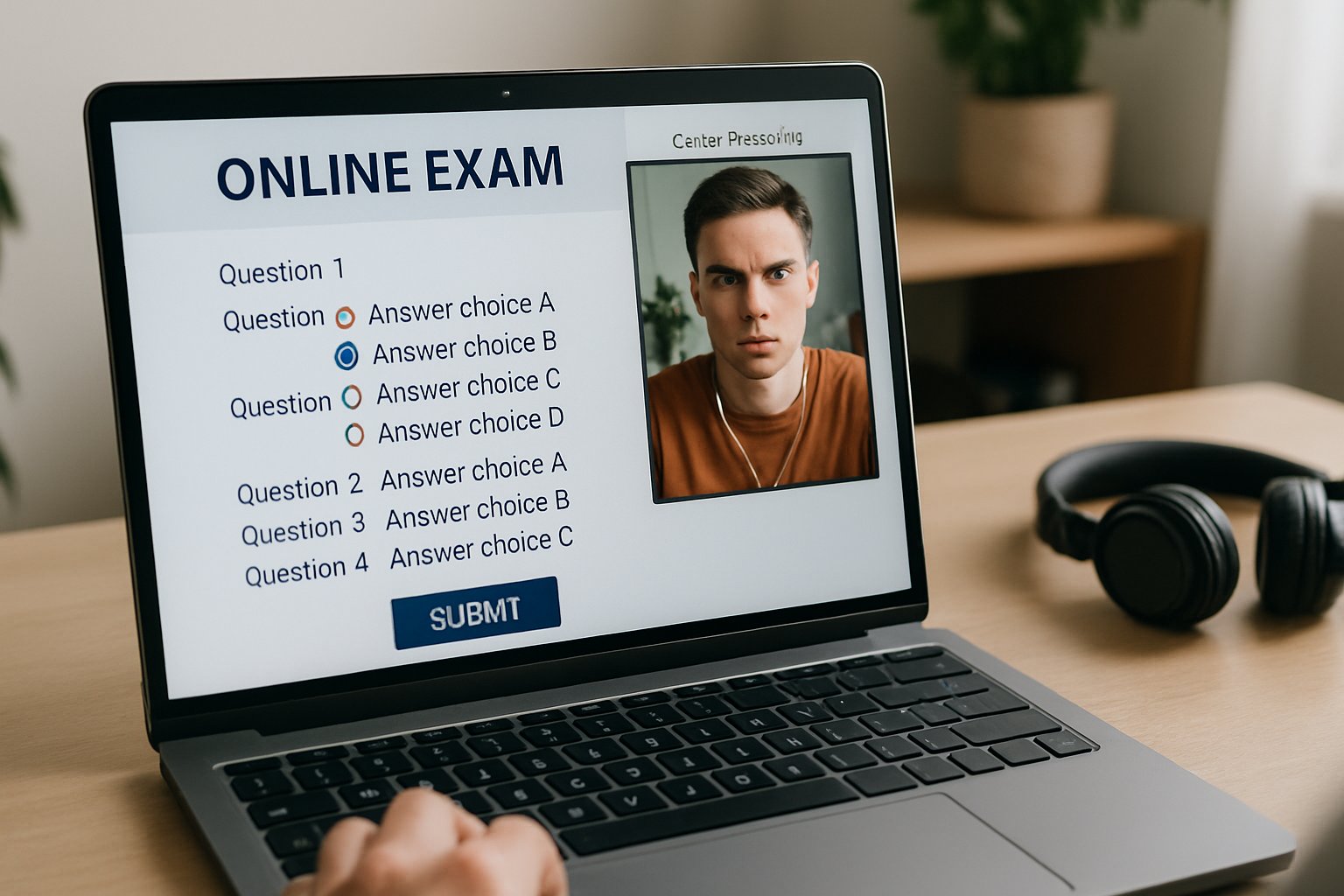
Automated Online Exam Proctoring
Adoption accelerated after 2020. EDUCAUSE polls indicate 60% of U.S. institutions now reference proctoring software. Furthermore, multiple market studies estimate 15%–17% compound growth through 2030, pushing valuations near one billion dollars.
- 60% institutional mention rate (EDUCAUSE)
- $0.8–1.2 B global market in 2024
- 15–17% projected CAGR through 2030
These numbers confirm mainstream traction. Nevertheless, adoption patterns vary by discipline, stakes, and regional regulation.
Takeaway: Automated online exam proctoring is already common and will keep growing. Next, explore why the market expands.
Market Growth Drivers Now
First, scalability pressures remain intense. Large introductory courses demand cheaper oversight than live invigilation. Second, AI flagging advances promise reduced human labor. Moreover, tighter LMS integrations simplify faculty workflows. Finally, corporate certification brands want uniform global delivery.
Takeaway: Efficiency, AI progress, and global reach fuel demand. The legal context, however, complicates planning.
Evolving Legal Risk Landscape
Ogletree v. Cleveland State restricted mandatory room scans for public universities, citing Fourth Amendment concerns. Additionally, biometric laws such as Illinois BIPA trigger lawsuits over facial data retention. Advocacy groups therefore push for transparency, data minimization, and human review.
Institutions must consult counsel, draft privacy impact assessments, and negotiate vendor liability clauses. Prospective staff hoping to become an online exam proctor also need training on lawful data handling.
Takeaway: Legal missteps can derail programs. Understanding the technology stack comes next.
Core Technical Models Explained
Automated systems analyze webcam, screen, and audio streams in real time. Record-and-review models store sessions for later human analysis. Lockdown browsers restrict application switching. Meanwhile, biometric checks match IDs to live faces.
False positives decrease when humans review AI flags. Therefore, many providers combine automation with manual oversight, creating hybrid workflows.
Takeaway: Each model balances cost, speed, and accuracy. Stakeholders must weigh benefits against risks.
Key Pros And Limitations
Benefits include deterrence, analytics, and cost efficiency. Nevertheless, privacy, algorithmic bias, and bandwidth inequities persist.
- Pro: Scales large cohorts cheaply.
- Pro: Deterrent effect lowers cheating.
- Con: Video surveillance feels intrusive.
- Con: Algorithms mis-flag darker skin tones.
- Con: Poor internet increases stress.
Aspiring professionals who want to become an online exam proctor must understand both sides to advise fairly.
Takeaway: No tool is perfect; balanced policy is essential. The next section outlines that policy.
Implementation Best Practices Roadmap
- Justify necessity and document alternatives.
- Publish transparent policies and appeal routes.
- Conduct privacy impact assessments and limit retention.
- Offer on-campus or alternative assessments.
- Keep humans in the review loop.
- Test accessibility and provide device loans.
- Pilot, audit, and disclose metrics.
- Negotiate contracts for algorithmic transparency.
- Train faculty, students, and anyone aiming to become an online exam proctor.
Takeaway: Structured governance reduces risk and builds trust. Finally, where is the field heading?
Future Outlook Insights Ahead
Market analysts expect deeper AI features, such as multimodal behavior mapping and instant text recognition. Consequently, privacy law will evolve, requiring more granular consent and audit trails. Moreover, institutions will likely pair proctoring with alternative assessments like open-book and project work.
Takeaway: Success hinges on adaptive policy and transparent technology. The conclusion summarizes key actions.
Conclusion: Automated online exam proctoring now underpins many digital assessment strategies. Institutions gain scalable monitoring, yet they must address legal challenges, ethical concerns, and technical equity. Professionals who plan to become an online exam proctor should master policy, technology, and student support.
Why Proctor365? Proctor365 delivers automated online exam proctoring with AI-powered anomaly detection, advanced identity verification, and cloud scalability. Trusted by global exam bodies, the platform safeguards integrity without sacrificing user experience. Therefore, organizations can launch secure, high-stakes assessments worldwide with confidence. Explore the full solution at Proctor365.ai.
Frequently Asked Questions
- How does automated online exam proctoring help maintain exam integrity?
Automated online exam proctoring leverages AI for real-time monitoring, robust fraud prevention, and efficient identity verification. Proctor365 ensures secure assessments while protecting user privacy with advanced anomaly detection. - What benefits does AI-driven online proctoring offer?
AI-driven proctoring scales exam monitoring, deters cheating, and delivers valuable analytics. Proctor365’s automated tools enable cost-effective fraud prevention and accurate identity verification, enhancing exam security. - What legal challenges are associated with online proctoring?
Online exam proctoring faces legal challenges such as privacy concerns and biometric data handling. Institutions must conduct privacy impact assessments, ensure transparency, and maintain human oversight to meet legal standards. - How does Proctor365 support secure and scalable assessments?
Proctor365 integrates AI-powered anomaly detection, fraud prevention techniques, and strict identity verification. Its advanced technology and transparent policies deliver scalable, secure monitoring that upholds exam integrity.