Students trust technology most when it treats everyone fairly. Yet recent studies reveal stubborn bias in proctoring software for online exam monitoring. Facial detection often falters on darker skin, triggering unfair flags and stressful appeals. Consequently, universities, regulators, and vendors scramble to fix algorithmic imbalance before reputational damage grows. Moreover, the EU AI Act now labels remote proctoring as high-risk, demanding audits and oversight. Meanwhile, U.S. guidance from NIST urges lifecycle risk management and subgroup performance reporting. This article examines the risk landscape, evidence, regulation, and practical steps toward equitable, trustworthy proctoring. Industry leaders can reduce bias, strengthen integrity, and preserve learner confidence with thoughtful design and governance. Importantly, we spotlight how Proctor365 addresses these challenges with transparent AI and robust human oversight. Furthermore, we detail concrete vendor actions that lower bias rates immediately. Finally, we reveal why proactive investment pays dividends during future audits.
Current Bias Risk Landscape
Independent research places bias at the center of remote assessment debates. Frontiers data found face detection accuracy dropped to 78% for darker skin tones. In contrast, lighter tones enjoyed 92% detection, producing far fewer behaviour flags. Consequently, affected students saw average flag counts five times higher than their peers. Many campuses adopted proctoring software for online exam delivery during pandemic expansions.
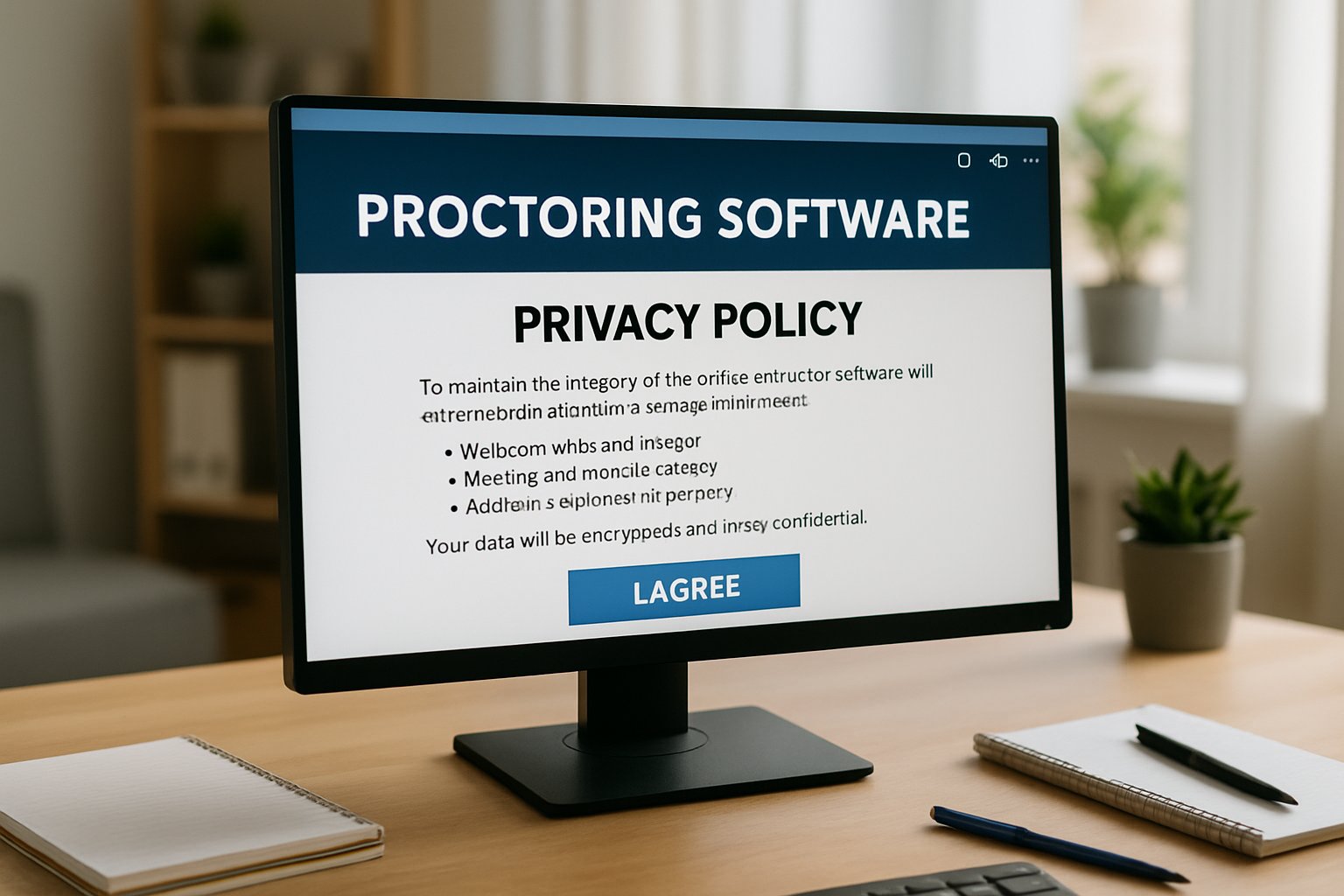
False flags create workload for instructors and anxiety for candidates. Moreover, public lawsuits and media coverage intensify reputational risks for institutions that ignore disparity. Stakeholders therefore need clear evidence and proactive plans. Bias hurts both learners and institutional credibility.
Proctoring Software For Online Exam
True fairness begins with transparent design choices. Developers must diversify training data, balance thresholds, and publish subgroup metrics. Additionally, continuous field testing under real lighting and hardware conditions reduces surprise failures. Some vendors, like Proctor365, combine multi-modal inputs and explainable evidence snippets to lower false positives.
Human review remains essential for flagged events. Therefore, platforms should route automated alerts to trained reviewers with clear rubrics. This hybrid approach protects honest students while still deterring misconduct. Transparent pipelines and human checks transform proctoring software for online exam fairness. With principles defined, regulation now accelerates change.
Latest Regulatory Pressure Drivers
The EU AI Act sets the strictest bar to date. It classifies educational monitoring tools as high-risk, requiring conformity assessments and bias audits. Moreover, institutions must offer human oversight and impact assessments before deployment.
In the United States, NIST’s AI Risk Management Framework guides voluntary governance. However, state privacy laws and civil rights suits add legal urgency. Governance expectations now cover every proctoring software for online exam, regardless of vendor branding. Compliance now demands evidence, documentation, and strong human controls. Consequently, procurement teams face new due-diligence checklists. Evidence shows why those checklists matter.
Evidence Of System Disparities
Beyond peer-reviewed studies, independent journalists ran open datasets through vendor pipelines. One FairFace test reported 57% failure on Black faces versus 40% on white. Vendors disputed methodology, yet public skepticism intensified.
Key disparity numbers appear below.
- Average flags for darker skin: 6.07 versus 1.19 for lighter tones.
- Mean flagged time: 7.64% darkest group versus 1.56% lightest group.
- Darker students twice as likely to receive high-priority review.
Educators cite these figures when challenging renewal of biased tools. Data therefore underpins the business case for change. Next, we outline concrete institutional actions.
Mitigation Steps For Institutions
First, embed bias criteria in every request for proposal. Require vendors to disclose training datasets, subgroup metrics, and audit histories. Additionally, demand contractual rights for ongoing third-party testing throughout deployment.
Second, offer opt-out pathways and accessible alternatives for disabled or low-bandwidth learners. Moreover, schedule low-stakes practice sessions to surface hardware issues early. Provide clear appeals processes and timely resolutions.
Third, monitor live performance dashboards segmented by demographic indicators. Consequently, instructors can detect drift and intervene before harm escalates. Selecting proctoring software for online exam solutions that publish subgroup metrics simplifies due-diligence.
Institutional governance turns principles into everyday safeguards. Vendors must also uphold their side.
Vendor Improvement Action Checklist
Vendors should follow a concise roadmap. These core actions include:
- Curate diverse, balanced image and behaviour datasets.
- Test with representative cameras, lighting, and network conditions.
- Publish false-positive and false-negative rates by subgroup quarterly.
- Earn relevant ISO or AI management certifications.
- Integrate real-time explainability and human-in-the-loop workflows.
Furthermore, vendors should adopt NIST SP 1270 bias controls across the lifecycle. Open collaboration with client institutions builds trust rapidly. Shared accountability strengthens the entire ai proctor exam ecosystem. Policy trends now shape that ecosystem’s future.
Policy And Outlook Ahead
Market analysts project double-digit growth despite controversy. However, buyers increasingly favor solutions that evidence fairness and transparency. Consequently, non-compliant tools risk contract loss, as Ohio State’s recent vendor change shows.
Civil-liberties groups will keep pressing for opt-out rights and strict data minimization. Meanwhile, ai proctor exam providers gain competitive edge by embracing rigorous governance early. Policy momentum signals a fairness-first era. Institutions should prepare accordingly. The final section explains practical benefits of acting now.
Conclusion
Algorithmic bias threatens trust, compliance, and student success. However, robust governance, diverse data, and human oversight can transform outcomes. Proctor365 delivers AI-powered proctoring capabilities backed by advanced identity verification and scalable exam monitoring. Our platform embeds human review and transparent metrics, ensuring proctoring software for online exam fairness you can prove. Global exam bodies already trust Proctor365 to secure high-stakes credentials without compromising equity. Book a demo and discover how Proctor365 raises integrity across every ai proctor exam today. Start here: www.proctor365.ai.
Frequently Asked Questions
- How does bias in proctoring software affect exam integrity?
Bias in proctoring software can lead to false flags and unfair scrutiny, undermining exam integrity. Inaccurate facial detection for darker skin tones increases stress and compromises the fairness and reliability of AI proctoring systems. - How does Proctor365 ensure fairness in online exam monitoring?
Proctor365 leverages transparent AI, advanced identity verification, and human oversight to reduce bias. Its system combines multi-modal inputs and explainable evidence to maintain equity and integrity in online exam proctoring. - What mitigation steps are institutions taking to reduce algorithmic bias?
Institutions require vendors to share diverse training data, subgroup metrics, and audit histories. They also implement live performance dashboards and human reviews, ensuring robust fraud prevention and fairness in their proctoring software. - How do regulatory changes shape the future of remote proctoring?
Regulatory pressure from measures like the EU AI Act and NIST guidelines is driving transparent, bias-aware practices. These changes emphasize accountability in AI proctoring, ensuring comprehensive fraud prevention and improved exam integrity.