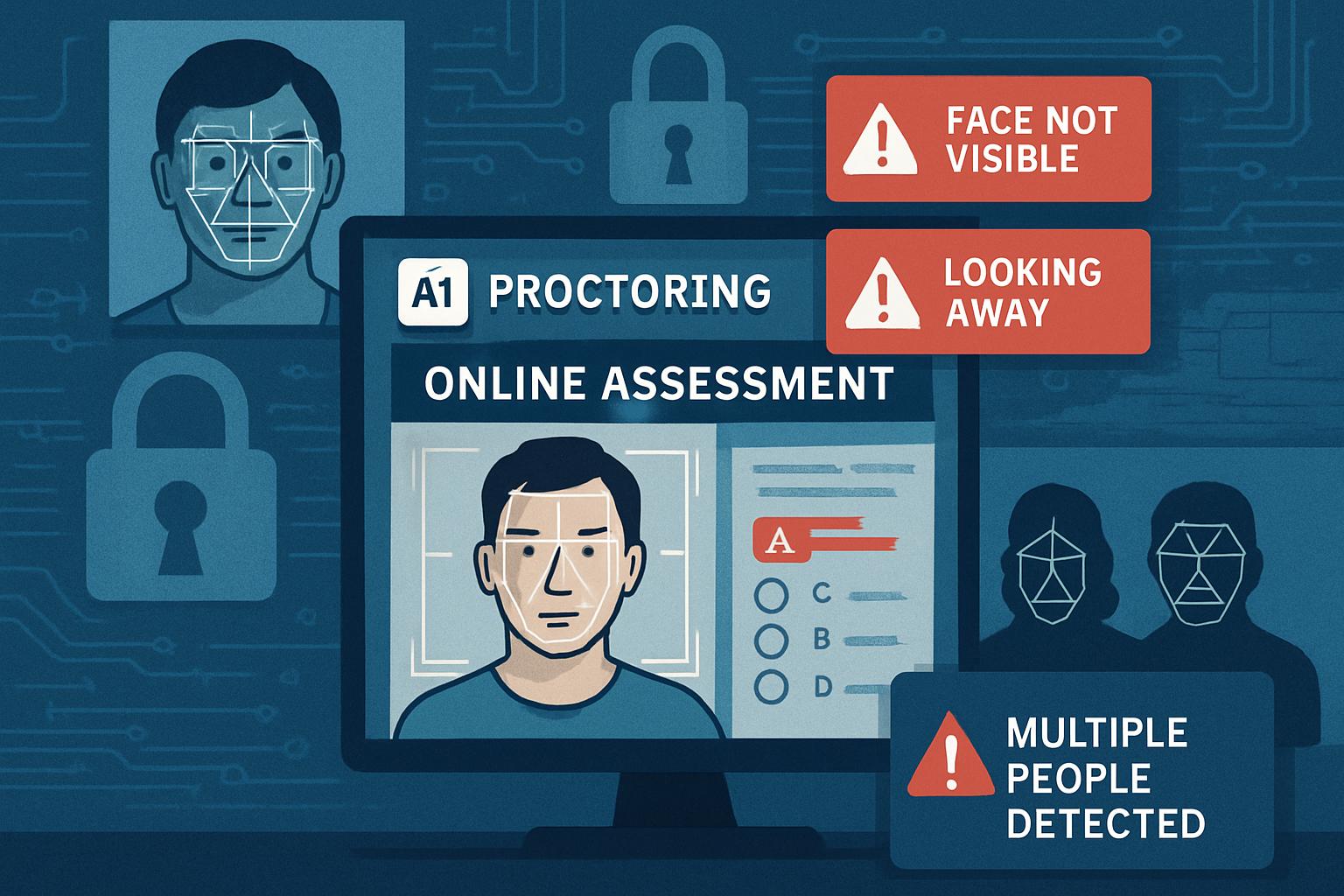
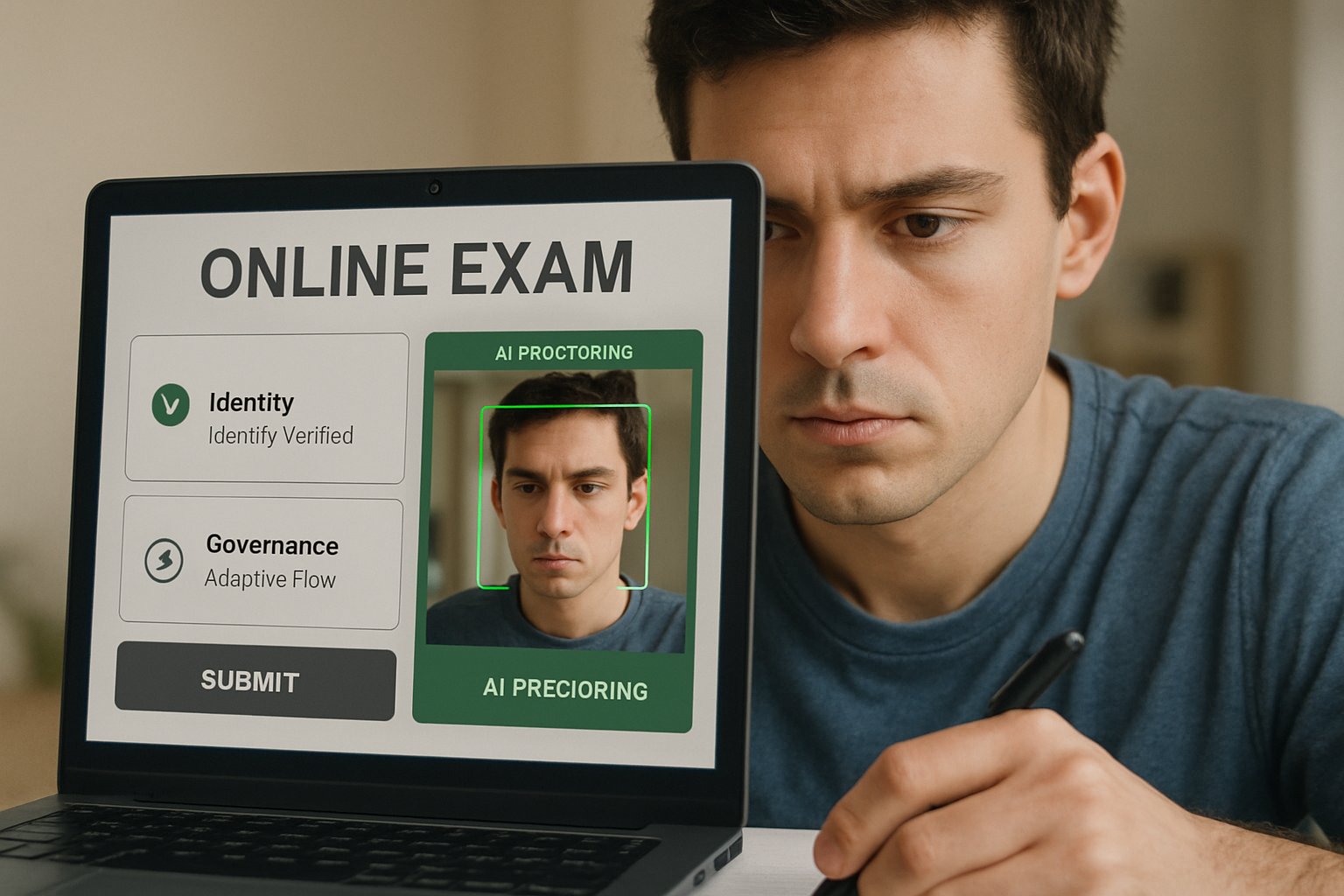
Proctor365 remote proctoring software features explained

Universities face a growing challenge: scaling secure assessments without physical test centers. Consequently, technology leaders search for resilient solutions. Proctor365 remote proctoring software meets that demand with an AI-first, browser-based approach. The platform blends automated detection, live oversight, and continuous identity checks. Moreover, online remote proctoring software adoption is rising fast across higher education and corporate learning. Market studies predict the sector could double before 2030. However, stakeholders must understand both capabilities and risks before they sign contracts. This article explains every major feature, including behavior monitoring in online exams, multi-face detection, privacy safeguards, and audit workflows. By the end, decision makers will know how to evaluate, implement, and optimize advanced proctoring at scale.

Remote Proctoring Software Essentials

At its core, Proctor365 treats integrity as a data problem. Therefore, the platform combines five inspection layers across video, audio, screen, network, and biometrics. These layers synchronize in real time through lightweight browser code. As a result, online remote proctoring software no longer requires heavy desktop lockdowns.
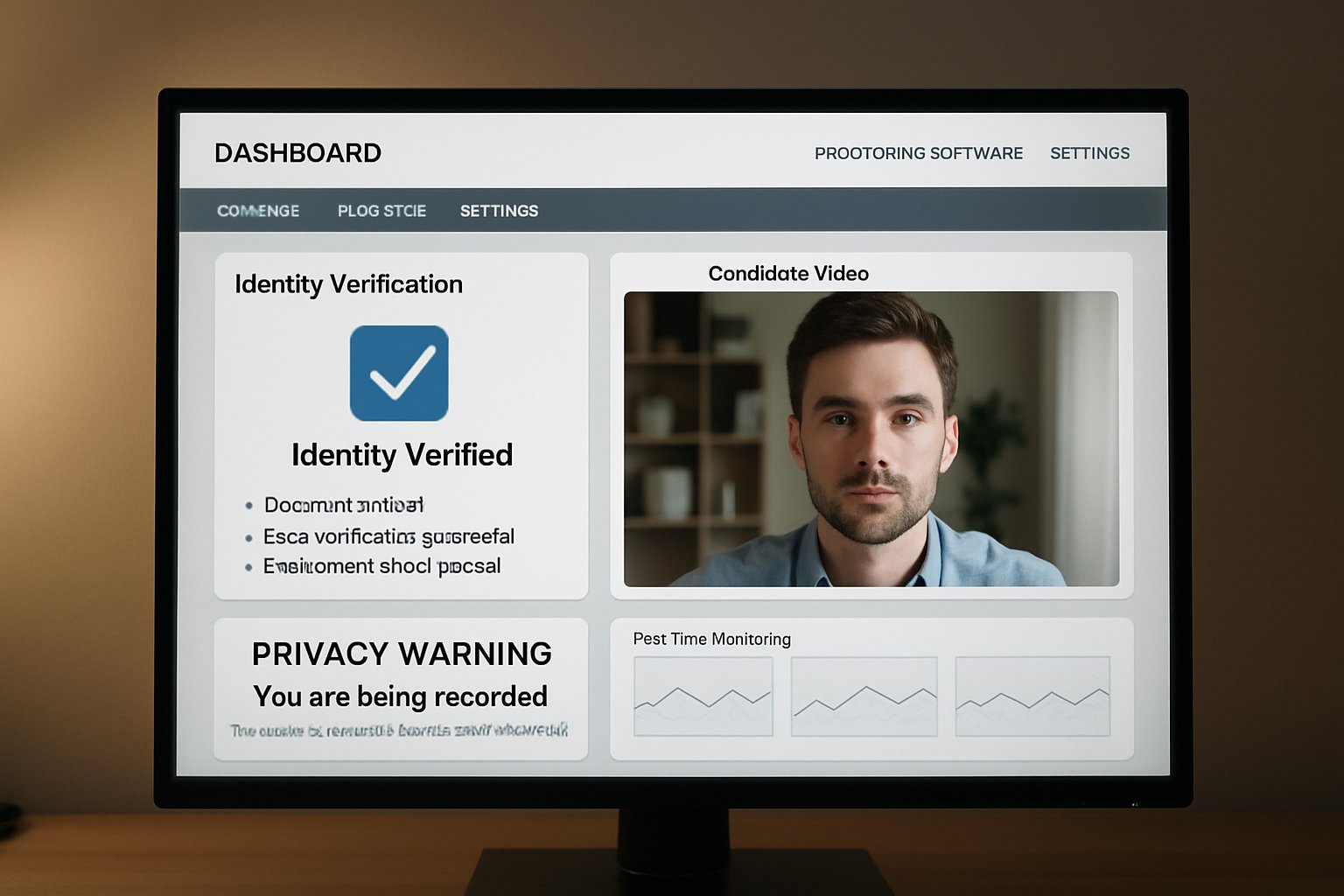
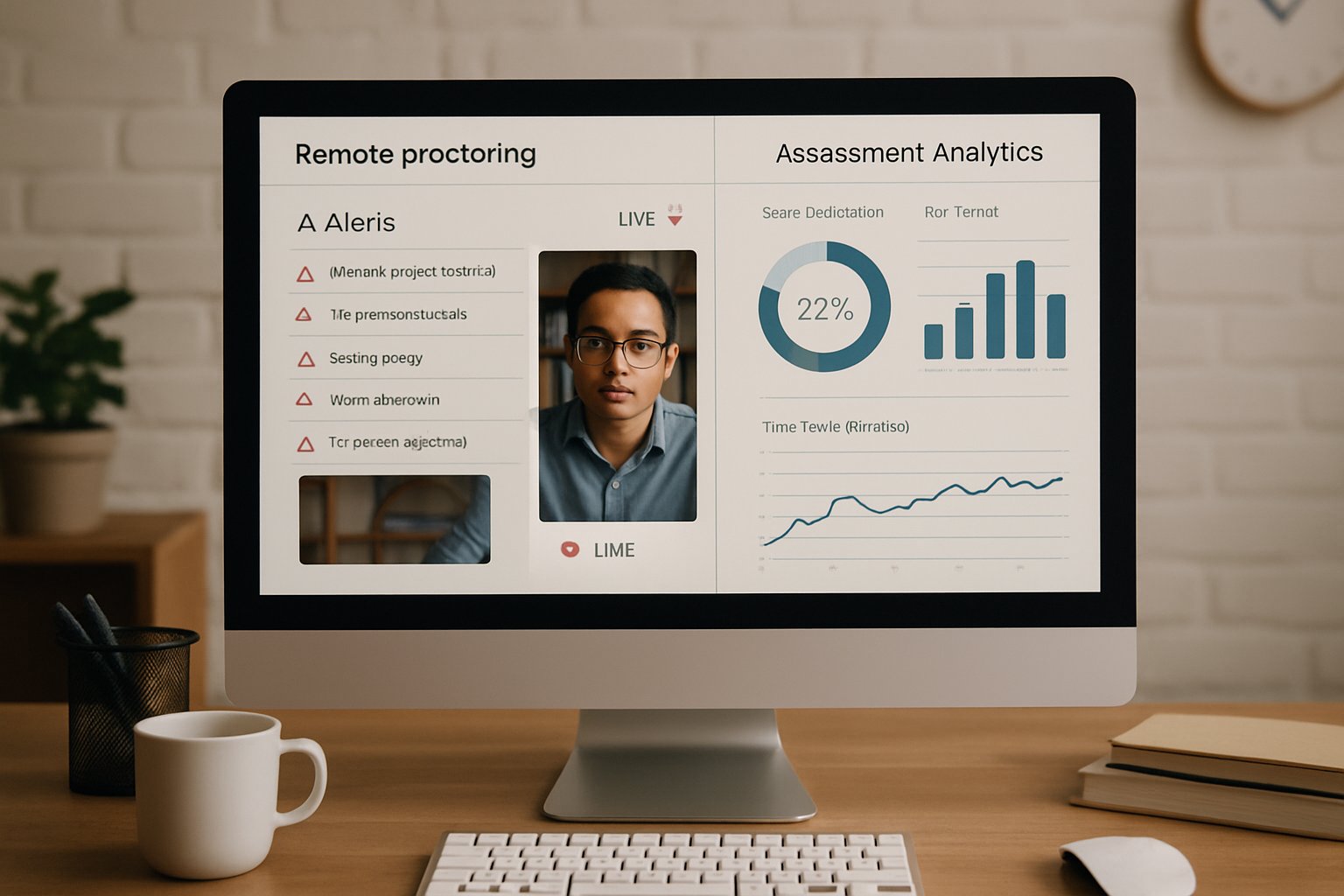
Remote proctoring software dashboard showing exam monitoring tools.
The proctoring dashboard centralizes exam security and candidate monitoring features.

Identity workflows start with a government ID capture and a selfie. Subsequently, continuous face matching runs every few seconds. Multi-face detection alerts staff if an extra person enters view. Meanwhile, anti-spoof algorithms block printed or digital impostor faces.

Screen analytics track tab switching, clipboard events, console access, and unusual keystrokes. Consequently, administrators view immediate red flags alongside time-stamped evidence. Every element aims to reduce manual review hours without lowering fairness.

In summary, Proctor365 unifies AI and human oversight for baseline academic honesty. Next, we explore why demand for such capabilities is rising.

Global Market Demand Surge

Lockdowns during 2020 accelerated digital assessment adoption across sectors. Moreover, surveys by EDUCAUSE show remote testing remains popular even after campus reopening. ResearchAndMarkets projects the market could reach nearly two billion dollars by 2029.

Institutions cite cost savings, scheduling flexibility, and global reach as prime motivators. Consequently, IT teams want scalable remote proctoring software that supports ten thousand concurrent seats. Vendors now compete on accuracy, privacy controls, and student experience.

The top market drivers include:

  • Hybrid learning programs adopted by 70% of universities.
  • Corporate L&D demand for certification with global candidates.
  • Regulatory pressure to document exam integrity for accreditation.

Overall, momentum shows no sign of slowing. Therefore, understanding the underlying feature stack is critical.

Core Platform Feature Stack

Proctor365 offers three monitoring modes within online remote proctoring software deployments: AI only, live human, and hybrid. Each mode fits different stakes and budgets. Additionally, a built-in exam authoring engine manages randomization, timed sections, and automated credential issuance.

On the identity front, continuous face match pairs with multi-face detection to block impersonation. Meanwhile, screen telemetry flags tab switching and disallowed resources. Moreover, microphone analysis detects whispered answers or coaching. Accurate behavior monitoring in online exams relies on synchronized audio and video streams.

Administrators access dashboards that show risk scores, video clips, and audit logs. Consequently, appeals panels can review evidence quickly and consistently.

These capabilities make deployment efficient without sacrificing detail. Next, we question the accuracy claims behind the algorithms.

AI Accuracy Claims Examined

Proctor365 advertises 99% accuracy across detection tasks. However, little public benchmarking supports the figure. Independent researchers note that behavior monitoring in online exams often struggles with lighting, bandwidth, and diverse skin tones.

Furthermore, gaze tracking algorithms can misclassify neurodivergent movements as suspicion. Therefore, institutions should request proctoring accuracy audits, confusion matrices, and subgroup reports before rollout.

Smart procurement teams ask for:

  • Recent SOC 2 Type II and ISO 27001 certificates.
  • Accuracy data broken down by lighting and device type.
  • Accessibility testing with screen readers.

Transparent metrics build trust and guide remediation. Now, we shift to privacy and compliance safeguards.

Privacy And Compliance Safeguards

Students worry about surveillance intruding into private spaces when using online remote proctoring software. Consequently, Proctor365 promotes a privacy-by-design model. Data flows use end-to-end encryption, and hosting regions align with GDPR and FERPA rules.

Additionally, retention defaults purge raw video after thirty days, keeping only flagged clips. Nevertheless, institutions should validate these settings in contracts.

A solution that respects data sovereignty reduces legal exposure. Moreover, clear appeal workflows lessen student anxiety and potential litigation.

Solid compliance architecture supports sustainable adoption. Next, we examine practical rollout tactics.

Implementation Best Practices Guide

Successful pilots start small and iterate fast. Firstly, choose a low-stakes quiz with diverse participants. Secondly, train proctors on interface navigation and bias awareness.

Checklist items include:

  • Define exception handling for bandwidth drops.
  • Communicate privacy policies in plain language.
  • Enable behavior monitoring in online exams only when justified.
  • Document accessibility accommodations before launch.

Throughout the pilot, capture support tickets and student feedback. Subsequently, refine settings for sensitivity thresholds, multi-face detection, and audio triggers.

The platform should integrate with LMS via standard APIs for authentication and grade pushback. Consequently, IT overhead remains low.

Iterative deployment minimizes surprises and builds confidence. Finally, we look ahead to emerging concerns and innovations.

Future Roadmap And Questions

AI components evolve quickly. New models promise stronger gaze estimation and reduced bias. However, regulators are also drafting stricter privacy standards.

Institutions should monitor policy shifts while assessing vendors annually. Moreover, peer collaboration groups can share remote proctoring software failure reports and mitigation playbooks.

Meanwhile, multi-face detection will expand to object detection, flagging hidden phones or notes. Consequently, ethical guidelines must develop in parallel.

Sustained dialogue between vendors, students, and regulators will shape equitable assessment ecosystems.

Conclusion

Proctor365 combines AI alerts, live review, and rigorous ID checks to protect exam credibility. Moreover, the platform offers multi-face detection, gaze tracking, and encrypted evidence logs. Additionally, detailed analytics reveal trends that support curriculum improvements and policy decisions. Subsequently, administrators can benchmark cohorts across campuses and training centers. Consequently, universities, certification bodies, and enterprises gain scalable exam monitoring without sacrificing privacy.

Why Proctor365? This remote proctoring software delivers AI-powered proctoring capabilities, advanced identity verification, and elastic cloud scaling trusted by global exam bodies. Therefore, institutions can uphold integrity while improving candidate convenience. Explore the full feature set at Proctor365.ai and schedule a demo today.

Frequently Asked Questions

  1. How does Proctor365 ensure exam integrity in remote assessments?
    Proctor365 uses an AI-first approach combined with live oversight and continuous identity checks. This robust system employs advanced fraud prevention and behavior monitoring to maintain strict exam integrity.
  2. What identity verification features does Proctor365 offer?
    Proctor365 verifies identities with government ID capture, selfies, and continuous face matching. Multi-face detection further prevents impersonation, ensuring secure and reliable remote proctoring.
  3. How does Proctor365 balance privacy with effective proctoring?
    Proctor365 follows a privacy-by-design model, using end-to-end encryption and GDPR/FERPA compliant practices. It safeguards data while providing accurate remote proctoring for secure exam environments.
  4. What makes Proctor365’s remote proctoring scalable for large institutions?
    Its browser-based, lightweight design supports tens of thousands of concurrent users. The platform’s hybrid AI and human oversight minimizes IT overhead while ensuring comprehensive monitoring and fraud prevention.

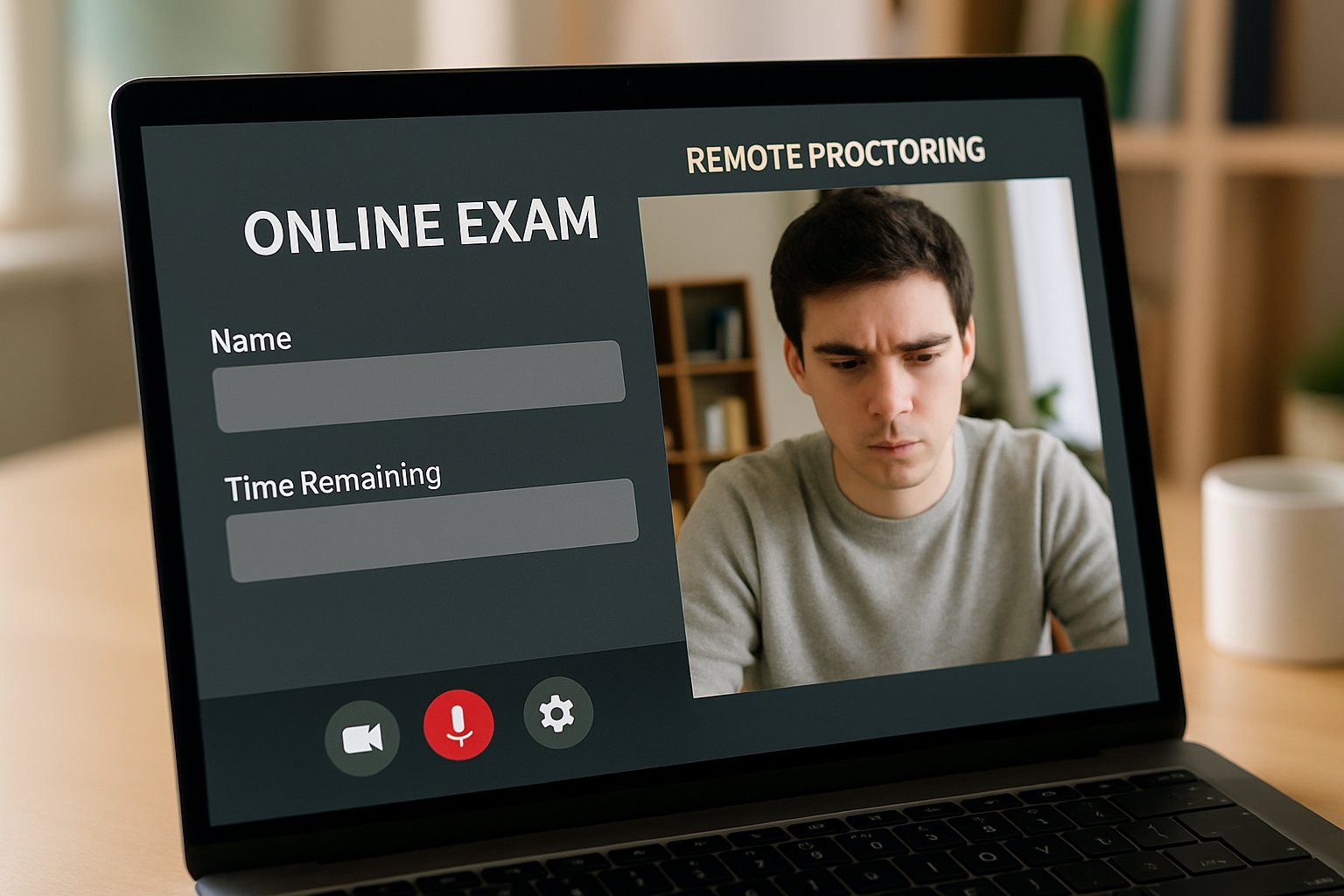
10 Hidden Costs of Remote Proctoring Software

Universities and certification bodies rely on remote proctoring software to keep exams honest in virtual settings. However, budgets often overlook hidden expenses that surface after contracts start.

This article exposes ten overlooked cost centers revealed by recent research, litigation, and institutional audits. Moreover, you will get practical mitigation steps that preserve security and student trust.

Stakeholders discussing remote proctoring software contract and hidden financial implications.
Decision-makers review contracts to uncover the hidden costs of remote proctoring software.

Remote Proctoring Software Reality

Market adoption sits near 65% among North American institutions, according to EDUCAUSE surveys. Consequently, leadership teams feel pressure to match peers despite persistent controversy.

Vendors highlight scalability, deterrence, and convenience. Nevertheless, Caveon testing shows more than ninety percent of deliberate cheats went undetected.

Meanwhile, a peer-reviewed study found automated flags in four percent of sessions, yet only 0.04 percent required action after human review. Therefore, high flag noise creates labor and morale issues.

  • Implementation and integration work
  • Student hardware inequities
  • Administrative review labor
  • False positive appeals
  • Accessibility accommodations
  • Privacy compliance reviews
  • Data breach exposure
  • Reputation and enrollment damage
  • Algorithmic bias remediation
  • Vendor lock-in penalties

These costs shape every procurement conversation. Consequently, smart teams insist on transparent scopes before purchasing.

Understanding real adoption data sets the stage for deeper cost analysis. Next, we examine integration hurdles.

Implementation Integration Hidden Costs

Implementation appears simple during demos yet differs in production. Moreover, single sign-on, LMS hooks, and custom workflows demand specialist time.

Meazure Learning warns that rushed projects inflate invoices. Similarly, internal developers lose weeks creating gradebook syncs.

Transparent remote proctoring pricing rarely includes these professional services, so finance officers must budget separately.

Because integration tasks linger, the cost of online proctoring software rises long after the check clears.

Selecting remote proctoring solutions with native LTI support cuts these costs.

Document every interface in the contract and require acceptance testing. Consequently, surprises shrink and project timelines shorten.

Clear implementation planning prevents early overruns. Subsequently, institutions must address hardware equity challenges.

Equipment Equity Expense Risks

Students need webcams, microphones, and reliable bandwidth. However, digital divides persist across regions and demographics.

When devices fail, help desks scramble and instructors reschedule exams. Therefore, institutions provide loaner kits or on-site stations.

These unplanned purchases distort remote proctoring pricing forecasts and erode margins for fee-based programs.

Some remote proctoring solutions advertise low system requirements, yet real-world support tickets tell another story.

Enterprise remote proctoring solutions should include contingency workflows, such as offline uploads, to protect equity.

Without such options, the cost of online proctoring software balloons when multiple make-up sessions occur.

Tackling device inequity protects fairness and budgets. Consequently, attention turns to human review workloads.

Review Labor Backlog Burden

AI flagging sounds efficient yet generates mountains of footage. Moreover, vendor data suggests reviewers spend forty-seven minutes per flagged session.

Multiply that by a thousand candidates and staffing needs skyrocket. Consequently, overtime and adjunct pay lines grow.

Remote proctoring solutions sometimes bundle review services, but fine print may tie pricing to flag counts.

Hence, the cost of online proctoring software becomes unpredictable during peak assessment periods.

Enterprise remote proctoring solutions should define service-level agreements that cap turnaround times and extra fees.

Accurate workload forecasts protect academic calendars. Next, we explore legal and compliance pitfalls that carry even higher stakes.

Legal And Compliance Pitfalls

Litigation headlines remind campuses of serious exposure. For instance, the 2025 California bar meltdown sparked class actions against a major vendor.

Similarly, Respondus settled biometric privacy claims under Illinois BIPA. Therefore, privacy audits are mandatory.

Remote proctoring software faces scrutiny under GDPR, FERPA, and emerging accessibility rules.

Legal teams also weigh algorithmic bias findings from NIST, which show demographic performance gaps.

When accusations reach tribunals, appeals and re-testing costs dwarf initial contracts.

Therefore, institutions demand indemnity clauses, breach notification windows, and data retention limits.

Robust compliance frameworks reduce headline risk. Meanwhile, cybersecurity and reputation threats demand equal vigilance.

Security And Reputation Fallout

Video archives and biometric templates attract attackers. IBM estimates average breach costs at 4.88 million dollars worldwide.

Moreover, leaked exam footage undermines academic credibility, pushing prospective students elsewhere.

Some remote proctoring solutions boast encryption at rest, yet institutions must verify independent audits.

Enterprise remote proctoring solutions should offer regional data centers to satisfy cross-border regulations.

Without strong security guarantees, remote proctoring pricing comparisons miss the bigger liability picture.

Controlled security measures protect both data and reputations. Subsequently, the conversation shifts to vendor lock-in economics.

Vendor Lock-In And Renewals

Custom browsers, proprietary file formats, and unique IDs trap institutions into repeat contracts.

Consequently, migration away from a failing platform becomes costly and risky.

Remote proctoring pricing often escalates after the first term, leveraging this dependency.

Forward-thinking teams evaluate open standards and negotiate exit clauses when selecting remote proctoring software partners.

Therefore, procurement should assign switching cost estimates during request for proposal scoring.

Planning for eventual change keeps leverage with the buyer. Finally, we consolidate the insights and show a better path forward.

Conclusion And Next Steps

Hidden expenses often eclipse headline savings promised by remote proctoring software. However, leaders who anticipate integration, hardware, labor, legal, and security challenges gain financial control.

Proctor365 replaces patchwork remote proctoring software with AI-powered proctoring, advanced identity verification, and scalable monitoring trusted by global exam bodies. Moreover, transparent remote proctoring pricing and flexible architecture define our enterprise remote proctoring solutions, unlike conventional remote proctoring software that locks institutions into opaque terms.

Therefore, move beyond legacy remote proctoring software now. Visit Proctor365 to lower the cost of online proctoring software and protect every assessment today.

Frequently Asked Questions

  1. How do hidden costs in remote proctoring affect exam integrity?
    Hidden costs from integration, hardware equity, and compliance can compromise exam integrity. Proctor365 mitigates these issues through transparent pricing and efficient implementation, ensuring reliable monitoring and enhanced exam security.
  2. How does AI-powered proctoring from Proctor365 reduce review labor backlogs?
    Proctor365’s AI-powered proctoring minimizes review labor by accurately flagging genuine concerns and reducing false positives. This streamlined process supports fraud prevention and ensures prompt identity verification, easing the workload on reviewers.
  3. What measures can institutions take to address integration and vendor lock-in challenges?
    Institutions should document integration requirements and negotiate clear contract terms. Proctor365 supports native LTI integration and flexible architecture, lowering switching costs and avoiding vendor lock-in, thus ensuring smoother implementation.
  4. How does Proctor365 ensure security and compliance in remote proctoring?
    Proctor365 protects exam data with robust encryption, regional data centers, and strict privacy audits. Our platform complies with GDPR, FERPA, and accessibility standards, ensuring data security and maintaining academic reputation.

Continue Reading

For more insights and related articles, check out:

Read more →

10 Checks Before Buying Remote Proctoring Software

Issuing high-stakes exams online no longer feels optional. Universities, certifiers, and corporate trainers all face global cohorts. Consequently, they must guarantee integrity without physical test centers. Many teams turn to remote proctoring software for that safeguard. However, choosing the wrong tool creates legal, reputational, and student-experience risks. The remote exam proctoring landscape has expanded rapidly since the pandemic peak. Moreover, AI online proctoring promises speed yet invites new scrutiny about bias. Procurement teams therefore need a rigorous checklist before signing a contract. This guide outlines ten must-check factors and shares market data, lawsuits, and expert advice. Read on to avoid costly mistakes and select a platform that shields learners and institutions alike.

Market Shift Forces Scrutiny

First, understand the market trajectory. ResearchAndMarkets estimates the sector reached about US$836M in 2023. Furthermore, analysts predict volumes could near US$1.9B by 2029.

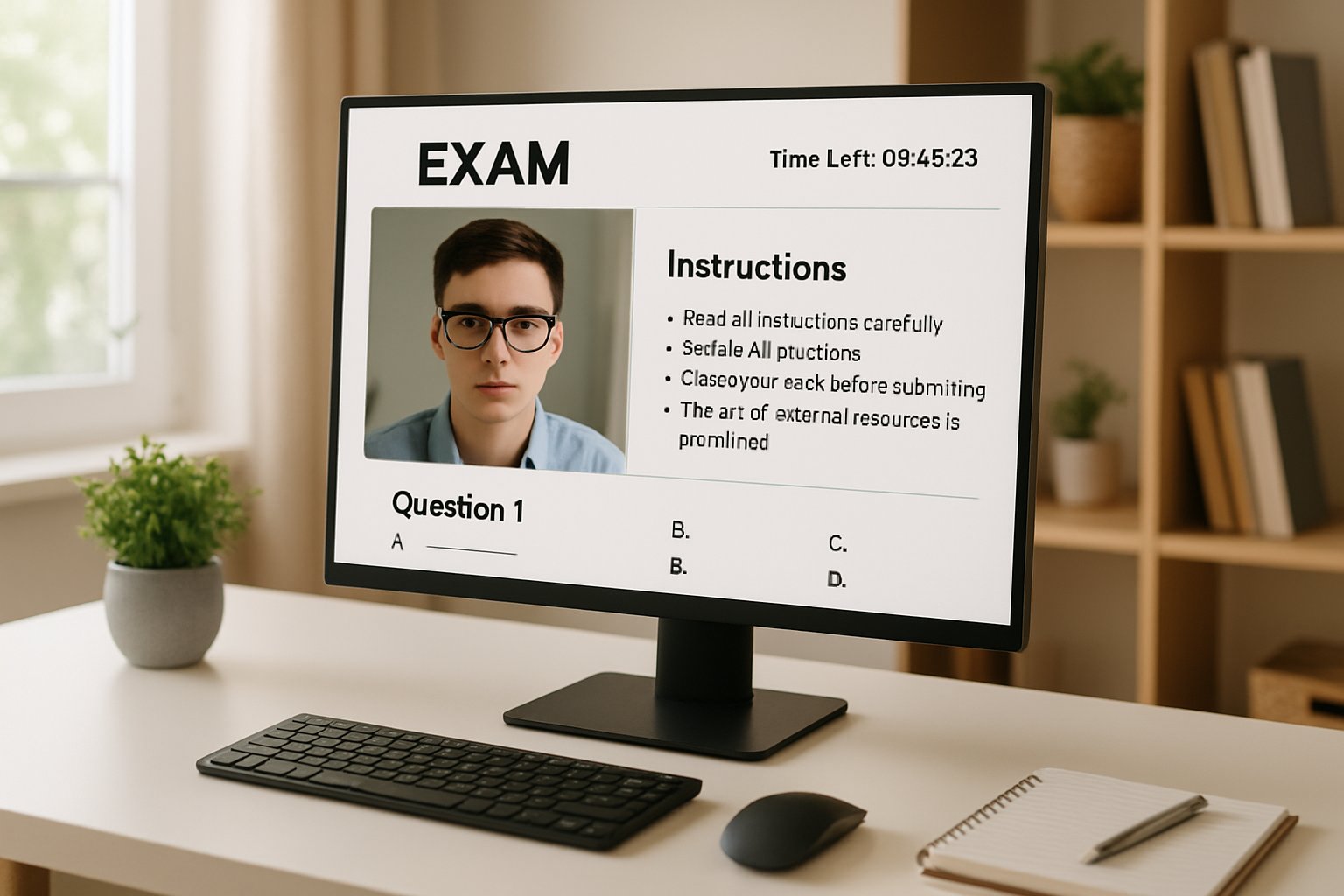
Student using remote proctoring software for an online exam at home
A student successfully uses remote proctoring software during a secure online test.

Growth attracts every Online Proctoring Company and dozens of startups. Consequently, choice overload hides weak offerings behind glossy demos. Institutions saw many Hybrid proctoring solution press releases after 2024.

Meanwhile, regulators also intensified oversight. Illinois BIPA cases and California’s new Student Test Taker Privacy Protection Act highlight evolving rules. Therefore, procurement teams must map compliance gaps early.

Scalable online proctoring platform promises tempt budget holders. Nevertheless, scaling without governance risks lawsuits and student protests.

The market is booming yet volatile. Scrutiny from regulators and students keeps stakes high.

Next, examine tool selection fundamentals.

Choosing Remote Proctoring Software

Selecting technology starts with a structured rubric. HECVAT 4, releasing January 2025, adds privacy and AI questions. Therefore, align your assessment with those expanded inquiries.

Below are ten checkpoints every team should verify:

  • Legal compliance and data residency proof.
  • Clear privacy policy and retention limits.
  • Documented detection accuracy and error rates.
  • Independent bias and fairness audits.
  • Accessibility features and accommodation workflow.
  • Seamless LMS and SIS integration.
  • Human review and student appeal paths.
  • Robust security certifications and pen tests.
  • Transparent student experience requirements.
  • Flexible pricing, exit, and data portability.

An Online Proctoring Company unwilling to document these areas signals risk. Moreover, insist on a live pilot before paying invoices.

Remote exam proctoring success depends on institutional context, not generic promises. Consequently, gather feedback from faculty, IT, and disability staff during trials.

Comprehensive checklists reveal vendor depth. Skip one item and surprises emerge later.

Compliance details deserve deeper attention.

Compliance Risks Demand Clarity

Data protection laws vary across regions. GDPR compliant proctoring requires explicit purpose limitation and deletion rights. Additionally, biometric collection invokes extra legal bases.

Ask where every byte is stored and processed. Vendors must accept contractual limits on cross-border transfers. Therefore, document obligations in the Data Processing Agreement.

Any remote proctoring software that conceals storage locations fails this test.

AI online proctoring often captures voice, video, and keystrokes. However, only some data is necessary for identity assurance. Minimize fields to reduce threat surface and liability.

Hybrid proctoring solution models sometimes pass data to third-party reviewers. Ensure sub-processors follow your institutional standards. Include breach notification SLAs of 24 hours or less.

Institutions in Europe also demand detailed Records of Processing Activities. GDPR compliant proctoring vendors should supply that automatically.

Clear documentation prevents regulatory surprises. Strong contracts also strengthen vendor accountability.

Accuracy claims require equal scrutiny.

Accuracy Evidence Remains Essential

False flags erode trust quickly. Proctoring vendors often market 95% accuracy without context. Consequently, request confusion matrices and test methodology.

Remote proctoring software decisions impact student records and graduations. Therefore, examine false positive rates across demographics.

AI proctoring system vendors should publish bias audits annually. Nature 2024 highlighted racial disparities in facial detection models. Insist on third-party verification, not internal slide decks.

Scalable online proctoring platform marketing often downplays human review steps. Yet human context reduces erroneous cheating accusations.

Conduct internal pilots with diverse test takers before purchase. Remote exam proctoring trials will surface edge cases, such as low light conditions.

Validated accuracy protects students and reputations. Next, address systemic fairness concerns.

Bias Audits Safeguard Fairness

Bias harms certain groups disproportionately. International Journal for Educational Integrity linked proctoring to anxiety spikes for disabled students. Moreover, EFF documented chilling effects on expression.

AI proctoring system bias emerges from unbalanced training datasets. Consequently, demand demographic performance breakdowns for every flag type.

Online Proctoring Company leaders now arrange independent fairness reviews. Nevertheless, ask for published audit summaries and remediation steps.

Hybrid proctoring solution approaches can blend human empathy with algorithmic scale. Such blends may reduce adverse impacts when configured carefully.

GDPR compliant proctoring also requires explainability for automated decisions. Students must receive clear appeal pathways.

Remote proctoring software bias scandals already triggered campus moratoria.

Fairness reviews build community trust. With trust established, integration details take focus.

Integration and experience come next.

Integration Shapes User Experience

Smooth workflows decide daily success. Integration failures trigger support tickets and faculty frustration. Therefore, verify deep links with major LMS platforms before rollout.

Scalable online proctoring platform vendors provide REST APIs and SAML SSO. Test those endpoints in a sandbox using representative courses.

AI online proctoring should avoid browser plug-ins that break after updates. Instead, prefer lightweight WebRTC implementations.

GDPR compliant proctoring demands data flow diagrams for each integration pattern. In addition, document log retention within the LMS.

A responsive helpdesk matters as much as code. Remote proctoring software should publish 24/7 support SLAs.

Online Proctoring Company reputations often hinge on exam-day uptime statistics.

Solid integrations reduce stress. Finally, negotiate strong contracts.

Contract details close the deal.

Contracts Secure Future Flexibility

Pricing models differ wildly. Some vendors bill per exam; others require multiyear site licenses. Consequently, calculate total cost across program growth scenarios.

Include exit terms that ensure data destruction within 30 days. Remote proctoring software vendors should provide encrypted exports for institutional archives.

Demand SOC 2 Type II or ISO certifications with annual renewal dates. AI proctoring system providers usually meet those standards if mature.

Scalable online proctoring platform contracts must cap liability and guarantee breach disclosures.

Hybrid proctoring solution suppliers sometimes bundle identity verification with human review. Ensure pricing transparency for each service layer.

Robust contracts preserve flexibility and leverage. With diligence complete, finalize a trustworthy partnership.

The key points follow.

Conclusion

Institutions that follow this checklist will negotiate stronger deals, protect privacy, and deliver fair assessments. By verifying compliance, accuracy, bias controls, integration, and contract terms, you minimise surprises after deployment. Remote proctoring software remains invaluable, yet only when selected and governed with evidence and transparency.

Why Proctor365? The AI-powered platform blends live, automated, and hybrid monitoring with advanced identity verification. Moreover, its scalable exam monitoring supports small quizzes and global certification runs alike. Trusted by leading universities and exam bodies, Proctor365 delivers GDPR compliant proctoring without sacrificing student dignity. Discover how Proctor365 can elevate integrity today at Proctor365.ai.

Frequently Asked Questions

  1. How does remote proctoring software maintain exam integrity?
    Remote exam proctoring software leverages advanced AI proctoring combined with human oversight. It employs robust identity verification and fraud prevention measures to ensure exam integrity while meeting GDPR compliance.
  2. What steps does Proctor365 take to prevent bias and safeguard fairness?
    Proctor365 blends AI monitoring with regular independent bias audits and human review to ensure fairness. Its transparent detection methods and bias control features create a secure and inclusive exam environment.
  3. How does Proctor365 integrate with existing LMS platforms for a seamless exam experience?
    Proctor365 offers seamless integration with LMS through secure REST APIs and SAML SSO. This setup minimizes technical issues and ensures a smooth, GDPR compliant proctoring experience with automated monitoring.
  4. What contract and compliance measures are crucial when choosing an online proctoring solution?
    Key measures include clear legal compliance, data residency, and breach notification policies. Proctor365 secures partnerships with strict contracts, SOC2/ISO certifications, and transparent data handling for legal and operational safety.

10 Ways Remote Proctoring Software Prevents Cheating Online

Online assessment surged after 2020. Consequently, institutions faced a wave of digital misconduct. Remote proctoring software emerged as the preferred defense. It blends device lockdown, AI, and human insight. Therefore, universities, certification bodies, and ed-tech platforms now rely on these layered controls.

However, headlines still question accuracy, bias, and privacy. Meanwhile, regulators tighten rules, and vendors race for stronger audits. This article dissects ten proven protections, recent developments, and practical rollout tips. Readers will grasp how online proctoring software, AI remote proctoring, and real-time exam monitoring converge to keep testing honest.

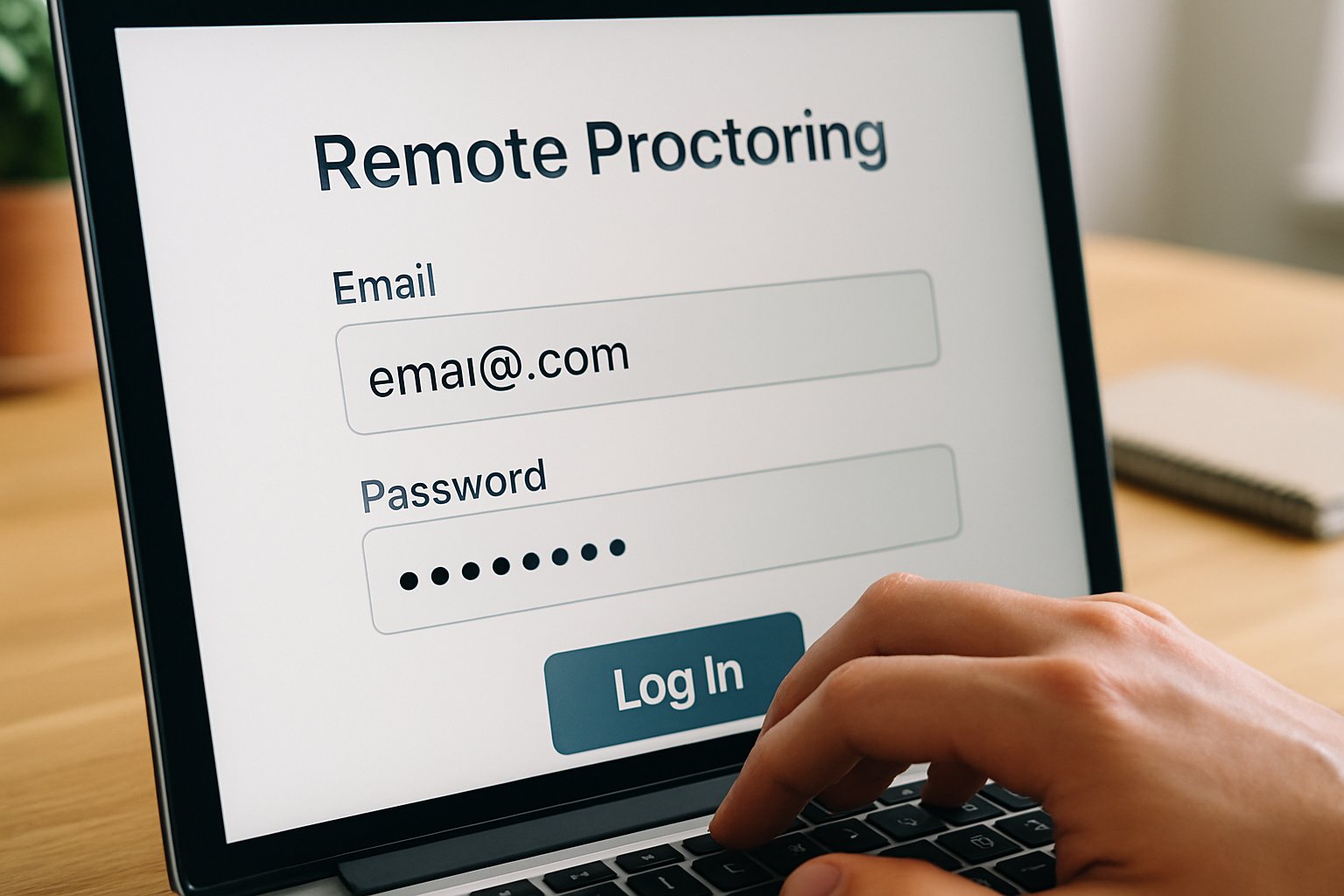
Login screen for remote proctoring software with human hand entering credentials.
Secure online assessment begins with verified access through remote proctoring software.

Cheating Risks Go Remote

The pandemic moved high-stakes exams online overnight. Moreover, device switching, unsanctioned collaboration, and impersonation skyrocketed. ProctorU’s 2021 report confirmed a 6.6% breach rate across three million remote exams. Consequently, administrators realized that browser lockdown alone was insufficient.

Remote proctoring software now operates at enterprise scale. Honorlock recently entered a statewide California contract, reflecting consistent demand despite scrutiny. Furthermore, California’s Student Test Taker Privacy Protection Act compels vendors to limit data retention. Institutions must balance integrity needs with evolving legal obligations.

Key takeaway: cheating methods evolve quickly. Therefore, layered defenses must evolve faster.

Transitioning forward, the first layer remains device control.

Lockdown Browser First Shield

A lockdown browser seals the testing environment. It blocks tab switching, copy-paste, screen grabs, and remote desktops. Respondus LockDown Browser leads this category and integrates with major LMS platforms.

However, students can still reach for phones or hidden notes. Therefore, many programs pair lockdown browsers with real-time exam monitoring streams. Additionally, IP telemetry detects simultaneous sessions or VPN abuse.

  • Blocks keyboard shortcuts and function keys.
  • Detects multiple monitors instantly.
  • Logs every attempt to exit full screen.

Summary: lockdown browsers deter on-device tricks. Nevertheless, visual surveillance catches off-device actions. Let’s examine that layer next.

Webcam And Screen Surveillance

Live or recorded video gives proctors a front-row seat. Respondus Monitor and ExamSoft capture continuous webcam and screen feeds. Moreover, real-time exam monitoring alerts staff when candidates leave view or when extra faces appear.

Audio analytics extend coverage. Honorlock flags voice assistant triggers or whispered cues. In contrast, poorly lit rooms may confuse algorithms. Consequently, best practice demands clear lighting guidance during exam setup.

Takeaway: visual and audio channels expose hidden helpers. Yet false positives rise without smarter analytics. The next layer addresses that gap.

Advanced Behavioral Analytics Layer

AI remote proctoring engines now evaluate head pose, gaze direction, and object presence. Proctorio’s models also detect phones or textbooks. Similarly, behavior-based exam monitoring scores unusual patterns and escalates only high-risk clips.

However, advocacy groups warn about skin-tone bias and disability impacts. Therefore, leading vendors shifted to hybrid workflows. A human reviewer validates AI flags before any allegation.

Numbers matter. Vendors report millions of exams processed, yet peer-reviewed accuracy data remains scarce. Consequently, procurement teams demand SOC 2 and ISO 27001 evidence plus transparent model audits.

Key point: analytics scale detection, but human context remains essential. Next, identity checks stop impersonation entirely.

Robust Identity Verification Checks

Before access, candidates submit ID photos. Face matching confirms authenticity. ExamRoom.AI layers keystroke dynamics for added assurance. Furthermore, some platforms perform continuous facial verification to block mid-exam swaps.

Online proctoring software increasingly touts anti-spoofing technology against deepfakes. Nevertheless, biometric storage raises privacy flags under California SB-1172. Institutions should enforce strict deletion schedules to stay compliant.

Summary: verified identity underpins trust. Subsequently, recorded evidence and human judgment close the loop.

Human Review And Evidence

ProctorU shifted away from AI-only models in 2025. Trained reviewers now inspect every critical flag. Consequently, false accusation rates dropped, and student appeals became simpler.

Moreover, audit trails defend disciplinary decisions. Time-stamped video, audio, and screen logs create a transparent record for academic committees. Behavior-based exam monitoring scores provide quick triage, while humans decide outcomes.

Takeaway: people still matter greatly. However, successful programs follow a clear implementation playbook.

Smart Implementation Playbook Tips

Institutions should start with a risk analysis. Reserve AI remote proctoring for high-stakes or licensure exams. Additionally, consult disability offices to craft equitable accommodations.

Procurement teams must demand documented certifications such as ISO 27001, ISO 42001, and SOC 2. Moreover, contracts should limit data retention and spell out appeal processes. Transparency boosts trust among students and faculty.

Consider this checklist before launch:

  • Publish clear privacy notices and data maps.
  • Run pilot exams with diverse test groups.
  • Train faculty on flag interpretation and escalation.
  • Provide alternative assessment paths when necessary.

In summary, thoughtful rollout maximizes integrity while minimizing friction. Therefore, future-proof strategies hinge on continuous improvement and stakeholder communication.

Conclusion: Remote proctoring software combines lockdown browsers, webcam feeds, analytics, and human insight to block modern cheating. Online proctoring software, AI remote proctoring, real-time exam monitoring, and behavior-based exam monitoring each play critical roles. Together, these layers safeguard trust for universities, certification bodies, and corporate L&D teams.

Why Proctor365? Proctor365 delivers AI-powered remote proctoring software with advanced identity verification and scalable, real-time exam monitoring. The platform pairs behavior-based exam monitoring with human oversight and is trusted by global exam bodies. Experience tighter integrity and smoother candidate journeys today. Explore Proctor365 now.

Frequently Asked Questions

  1. How does Proctor365’s AI-powered proctoring software help prevent exam fraud?
    Proctor365 utilizes AI remote proctoring with behavior-based exam monitoring and advanced analytics to detect suspicious activities instantly, ensuring robust exam integrity and minimizing fraud in high-stakes assessments.
  2. What role does human review play in Proctor365’s proctoring process?
    Proctor365 pairs AI proctoring with expert human review to validate flagged incidents, reduce false positives, and maintain transparent audit trails, ensuring secure and reliable online exam monitoring.
  3. How does Proctor365 verify candidate identity and prevent impersonation?
    Proctor365 employs robust identity verification with photo ID matching, continuous facial recognition, and anti-spoofing measures to confirm authenticity and effectively prevent impersonation during remote exams.
  4. How does Proctor365 balance exam security with candidate privacy?
    Proctor365 adheres to stringent privacy standards, implementing data minimization and secure deletion schedules while using advanced proctoring techniques to ensure a secure yet privacy-conscious testing environment.

Ultimate Fixes Using Remote Proctoring Software

Generative AI has turbocharged academic dishonesty. Consequently, institutions scramble to update defenses. Remote proctoring software now sits at the center of this battle. Colleges once relied on basic exam proctoring software, yet fraud tactics evolved. Moreover, advanced exam monitoring software alone cannot outpace contract cheaters.

However, the cheating crisis extends beyond simple answer sharing. Reuters exposed organized LSAT fraud networks crossing borders. Meanwhile, the 2025 HEPI survey showed 88% of students using generative AI for coursework. Therefore, leaders need layered, evidence-based countermeasures. AI alerts during exams must integrate with authentic assessment, clear policy, and human judgment.

Remote proctoring software dashboard with AI alerts and analytics interface
Remote proctoring software dashboard shows AI alerts and real-time analytics.

Consequently, this guide maps proven strategies against the modern cheating arsenal. Each section pairs data with actionable steps for universities, ed-tech platforms, certification providers, training institutes, and corporate L&D teams.

Ultimately, restoring trust demands both cultural change and smart technology. This article delivers the blueprint.

Cheating Landscape Today

First, understand how cheating evolved. Contract-cheating marketplaces advertise same-day answers. Additionally, browser-spoofing plug-ins claim to neutralize remote proctoring software. Generative AI now drafts essays instantly. Consequently, the integrity gap widens.

Some key facts illustrate the scale:

  • HEPI 2025: 92% students use AI; 18% submit AI text.
  • Turnitin 2024: 11% papers contain ≥20% AI writing.
  • Market size: $2.1B online proctoring projected for 2025.
  • Ogletree ruling called room scans unconstitutional.

These statistics confirm a fast-moving arms race. Therefore, institutions must respond with agility. Next, we examine assessment design fixes.

Assessment Design Fixes

Assessment redesign delivers the highest impact with minimal surveillance. Instead of secret questions, educators can assign applied projects requiring personal reflection. Moreover, staged submissions make outsourcing difficult. Students present interim drafts, receive feedback, then refine.

Authentic tasks also reduce dependence on exam proctoring software. Oral defenses, recorded demos, and group projects let instructors verify individual effort. Consequently, contract-cheating loses value. Meanwhile, webcam exam proctoring remains optional for low-stakes quizzes.

However, assessment shifts require policy support. Institutions should publish clear AI usage rules. Furthermore, AI alerts during exams become secondary checks rather than sole evidence.

Thoughtful design discourages cheating before it starts. Meanwhile, technology still plays a vital role. Now, we unpack those controls.

Technical Controls Explained

Technical solutions act as layered deterrents. Automated online proctoring scans video, audio, and screen feeds for anomalies. Additionally, exam monitoring software can lock browsers and track keystrokes. When algorithms flag issues, human reviewers decide.

However, no tool functions perfectly. Gaze tracking may misread cultural differences. Similarly, webcam exam proctoring struggles with low light or shared living spaces. Therefore, institutions should adopt hybrid exam proctoring, blending AI speed with human judgment.

Remote proctoring software integrates these modules into one platform. Moreover, AI alerts during exams surface only the riskiest sessions for review. Consequently, staff time drops while integrity rises.

Smart control combos deter casual cheating yet respect student privacy. Next, we discuss supporting governance.

Policy And Governance

Policies translate technology into fair practice. Institutions must define acceptable AI usage, privacy expectations, and sanction paths. Furthermore, exam monitoring software governance should mandate human review before any accusation.

Ogletree v. Cleveland State shows legal pitfalls. Mandatory room scans violated the Fourth Amendment. Consequently, remote proctoring software policies should minimize biometric data and offer alternatives. State laws also regulate automated online proctoring biometric data.

Moreover, hybrid exam proctoring workflows must let students contest flags transparently. Clear appeal windows build trust. Meanwhile, staff training reduces false positives.

Robust governance protects students and institutions alike. Implementation details follow in the roadmap section.

Implementation Quick Roadmap

Leaders often ask where to start. The following phased checklist guides deployment.

  1. First month: inventory assessments, publish AI policy, audit exam proctoring software licenses.
  2. Three months: stress-test tasks, pilot automated online proctoring with clear opt-outs.
  3. Six months: train staff, refine AI alerts during exams thresholds, document appeals.
  4. Twelve months: scale hybrid exam proctoring, integrate webcam exam proctoring analytics, review vendor contracts.

These steps balance speed, cost, and compliance. Consequently, remote proctoring software adoption becomes manageable. Finally, choose the right platform.

Remote Proctoring Software

Selecting a vendor requires more than feature checklists. Pricing, privacy posture, and support quality matter. Legacy exam proctoring software often lacks open APIs for data exchange.

During demos, insist on seeing how remote proctoring software handles low bandwidth, diverse accents, and accessibility needs.

Additionally, compare automated online proctoring accuracy claims with independent studies. Ask for false-positive rates across demographics. Meanwhile, verify webcam exam proctoring data retention meets regional privacy laws.

A disciplined evaluation prevents future headaches. Consequently, your final choice reinforces academic integrity.

Conclusion

In summary, modern exam integrity demands layered defense. Authentic tasks cut outsourcing incentives, while AI alerts during exams spotlight anomalies. Secure browsers, exam monitoring software, and hybrid exam proctoring create scalable safeguards. However, governance and fair policies remain essential.

Why Proctor365? Our remote proctoring software delivers AI-powered monitoring, advanced identity verification, and real-time AI alerts during exams. Moreover, global exam bodies trust the platform to secure high-stakes tests. Improve integrity today by visiting Proctor365.

Frequently Asked Questions

  1. What is remote proctoring software and how does it work?
    Remote proctoring software monitors exams using AI-powered analytics and secure browser features. It improves exam integrity by detecting suspicious activities and ensuring identity verification with a blend of automated checks and human oversight.
  2. How can AI proctoring reduce academic dishonesty?
    AI proctoring detects anomalous behavior and cheating through real-time AI alerts during exams. This technology enhances fraud prevention with advanced identity verification, ensuring exam authenticity and improved security for remote assessments.
  3. What are the benefits of hybrid exam proctoring?
    Hybrid exam proctoring combines automated AI alerts with human judgment for enhanced exam monitoring. This approach leverages advanced identity verification and webcam exam proctoring, reducing false positives and improving overall exam integrity.
  4. How does Proctor365 ensure exam integrity?
    Proctor365 delivers AI-powered monitoring, real-time alerts, and robust identity verification. Our platform integrates automated screening with human oversight, ensuring secure, compliant, and fair exam environments through advanced fraud prevention technologies.

Step-by-Step Guide to Remote Proctoring Software Implementation

Universities and training teams need reliable remote proctoring software as online testing scales worldwide. However, rushed deployments often create legal, privacy, and bias problems. This guide delivers a clear, practical roadmap. Follow each phase to safeguard integrity, respect student rights, and deliver seamless experiences.

Key Current Market Drivers

Demand for remote proctoring software keeps rising. The Insight Partners projects US$2.35 billion by 2031, fueled by double-digit CAGR. Moreover, education still commands over 40% of all deals. Institutions adopt remote exam proctoring because travel costs vanish and scheduling expands worldwide.

Student using remote proctoring software during online exam at home
A student takes an online proctored exam using remote proctoring software.

Meanwhile, legal scrutiny tightens. Ogletree v. Cleveland State ruled compulsory room scans unconstitutional, and California SB 1172 limits biometric retention. Consequently, privacy-first designs now win many bids.

AI advances also accelerate adoption. Vendors integrate multi-camera views, voice analytics, and fast ID verification for online exams. However, researchers note false-positive rates near 5% and bias toward darker skin tones. Manual review remains vital.

Key takeaway: strong growth collides with privacy and fairness concerns. Institutions must balance both. Next, we map essential governance steps.

Initial Governance Planning Steps

First, classify exam risks. High-stakes licensure needs live proctors, while low-stakes quizzes suit automated remote proctoring solution modes. Secondly, assemble stakeholders: faculty, IT, legal, disability services, and student representatives.

Next, conduct a privacy impact review. Map applicable laws, including FERPA and local data rules. Additionally, confirm if biometrics are processed. If yes, enforce strict deletion windows.

Accessibility comes next. Provide opt-outs, extra time, and interfaces compatible with assistive tech. Furthermore, announce requirements early during remote exam setup to avoid surprises.

Summary: governance work avoids costly re-engineering later. The following section tackles vendor selection.

Selecting The Right Solution

Craft an RFP that reflects technical, operational, and privacy needs. Mandate LTI 1.3, encryption at rest, and SOC2 or ISO certifications. Moreover, require clear pricing and 24/7 support to launch remote exams quickly.

During demos, test secondary keywords:

  • Remote exam proctoring modes: live, recorded, AI.
  • End-to-end remote proctoring solution workflow.
  • Ability to deliver remote exams in 48 hours during surge periods.
  • Robust ID verification for online exams with multi-factor checks.

Request external security assessments and references from similar campuses. Additionally, probe appeal processes for false flags.

Key takeaway: thorough vetting ensures technology, privacy, and support align. Integration is the next hurdle.

Integration And Security Hardening

Start with sandbox integration. Use LTI Advantage for secure token exchange. Furthermore, configure role mappings precisely to prevent privilege creep. During remote exam setup, test all common browsers and devices.

Lock down data paths. Store recordings in regionally appropriate clouds with encryption keys under institutional control. Nevertheless, keep retention minimal. Automate deletion after 30-60 days unless investigations require extension.

Moreover, adopt layered security. Pen-test the client, review third-party libraries, and audit access logs weekly. These steps help launch remote exams quickly without exposing sensitive data.

Summary: tight integration paired with strong security sustains trust. Next, we validate fairness.

Pilot Testing For Fairness

Run a controlled pilot before any wide release. Include diverse skin tones, disability accommodations, and low-bandwidth scenarios. Measure fail-to-start rates, latency, and false alerts.

Additionally, review AI flags manually. Researchers Burgess and Mukherjee both report bias risks. Therefore, human oversight limits harm. If issues emerge, refine lighting guidance or tweak gaze thresholds.

Conduct stress tests too. Simulate 500 candidates to prove remote exams in 48 hours remain stable. Moreover, gather student feedback about intrusive feelings versus benefits.

Key takeaway: pilots surface technical and ethical flaws early. The final phase addresses full production.

Launching Full Operational Excellence

Create clear candidate resources. Provide system checks, tutorials, and practice quizzes. Consequently, support tickets drop by 30% on launch day.

During live windows, monitor dashboards in real time. Furthermore, enforce a two-step review: AI flags then human confirmation. This workflow improves accuracy and fairness.

Post-exam, export incident logs to the LMS gradebook. Additionally, run quarterly audits on retention, bias metrics, and accessibility requests. Track KPIs such as:

  1. Technical failure rate below 2%.
  2. False-positive rate under 5%.
  3. Average resolution time under 48 hours.

Summary: disciplined operations close the loop and drive continual improvement. We finish with a recap and action plan.

Legal Privacy Considerations

The Cleveland State ruling warns institutions to avoid compulsory room scans. Nevertheless, alternative camera positions and strong ID verification for online exams can achieve similar assurance. Always offer in-person centers for students unable to comply.

End-to-end compliance reinforces trust, supports accreditation, and keeps remote exam proctoring sustainable.

Key takeaway: proactive legal alignment shields reputation. Now, see how Proctor365 accelerates success.

Conclusion And Next Steps

Effective deployment of remote proctoring software hinges on careful governance, rigorous pilots, and transparent operations. Follow the roadmap above to integrate secure remote exam proctoring, refine your remote proctoring solution, and launch remote exams quickly—even deliver remote exams in 48 hours when needed. Always maintain strong ID verification for online exams to protect integrity.

Why Proctor365? Proctor365 combines AI-powered monitoring, advanced identity verification, and elastic scaling to safeguard every assessment. Trusted by global exam bodies, our remote proctoring software delivers unmatched reliability. Experience seamless integrations and live dashboards that cut incident resolution time. Elevate exam integrity today—visit Proctor365.ai and schedule a personalized demo.

Frequently Asked Questions

  1. What key features make Proctor365’s remote proctoring effective?
    Proctor365 leverages AI-powered monitoring, robust identity verification, and elastic scaling to secure remote exams. Our solution offers live dashboards and automated fraud prevention for fast incident resolution and improved exam integrity.
  2. What measures ensure exam integrity and fairness with Proctor365?
    Proctor365 employs multi-camera views, AI proctoring with human oversight, and strict fraud prevention to maintain exam integrity. Our system minimizes false alerts and bias while ensuring fair testing environments.
  3. How does Proctor365 protect candidate privacy during remote exams?
    Proctor365 incorporates privacy-first design by encrypting data, limiting biometric retention, and complying with FERPA and local regulations. Our secure solutions balance reliable remote proctoring with student privacy protection.
  4. What integration and support features are offered by Proctor365?
    Proctor365 ensures seamless integration with LTI protocols, comprehensive vendor support, and advanced security measures. Our solution streamlines setup and maintains operational excellence during high-stakes remote exam proctoring.

Remote Proctoring Software: Real-Time Exam Security Unpacked

Universities, certifiers, and corporations now deliver high-stakes tests to global candidates. They rely on remote proctoring software to watch every pixel and movement in real time. However, few stakeholders understand the intricate live pipeline that flags cheating within seconds.

This article demystifies that pipeline with practical examples drawn from February’s California bar disruption. We also spotlight privacy, bias, and governance lessons echoed by courts and computer scientists. Finally, we share actionable controls for teams deploying large-scale digital assessments.

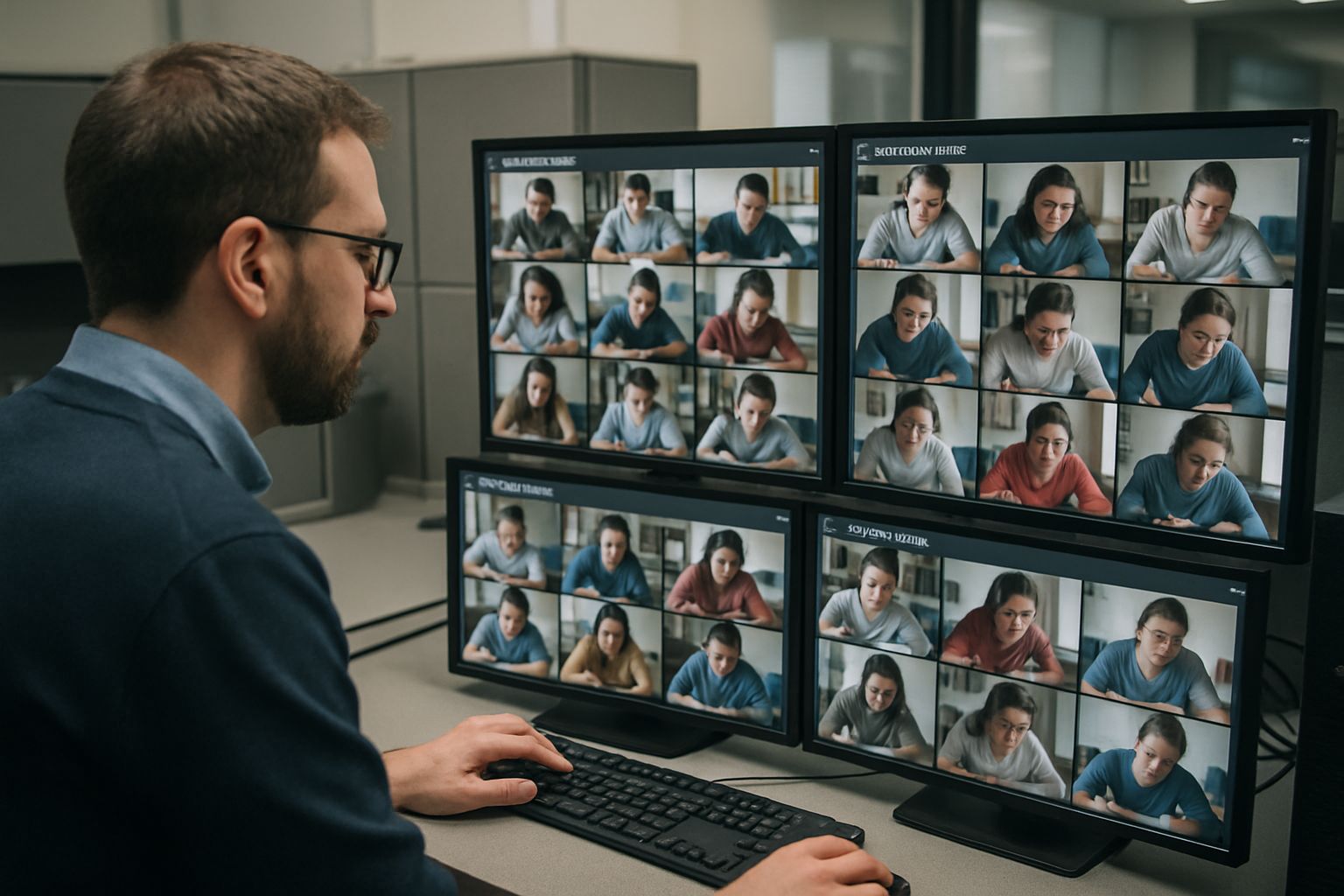
Proctor monitoring live exams through remote proctoring software dashboard.
A live proctor reviews exam sessions through remote proctoring software.

Along the way, you will meet core terms like Automated Online Proctoring and AI online proctoring. Understanding their differences helps procurement managers compare offerings objectively. Let us dive in.

Remote Proctoring Software Flow

Every timed session begins with candidate authentication. A webcam captures face images while the system runs liveness checks. Consequently, identity spoofing attempts fail before the first question appears.

Next, a lockdown browser blocks new tabs, screenshots, and external applications. Simultaneously, screen and audio recording start and encrypted streams head to the cloud. That continuous feed powers Automated online proctoring software able to react within milliseconds.

During the test, detectors parse camera frames, screen pixels, and microphone input concurrently. When anomalies surface, the platform labels them with severity values. Meanwhile, a live proctor may watch multiple streams through a single dashboard.

Institutions can choose three service mixes. Live only, pure AI online proctoring, or blended hybrid 24/7 coverage are common. Choice depends on stakes, scale, and budget.

In short, every layer communicates instantly, giving admins second-by-second visibility. Successful Online exam proctoring automation demands crystal-clear escalation logic. Next, we explore the sensors that fuel that visibility.

Key Monitoring Sensors Used

Hardware and software sensors collect the evidence stream. Moreover, they enable Online exam proctoring automation at global scale. Below are four critical examples.

  • Webcam video: detects face presence, extra faces, and suspicious head movement.
  • Microphone audio: flags background voices, phone vibrations, or whispered prompts.
  • Screen capture: records window focus, copy attempts, and forbidden applications.
  • System telemetry: tracks device changes, multiple monitors, and network tampering.

Consequently, Automated Online Proctoring systems fuse those inputs for richer context. AI proctoring software then converts sensor data into machine-readable vectors. Reliable remote proctoring software depends on this multidimensional data foundation. That conversion feeds the next analytic stage.

The sensor package matters because better signals yield fewer false alerts. Now, let us inspect how algorithms treat those signals.

AI Event Flagging Pipeline

Machine-learning models run locally or in the cloud. They compute gaze direction, face ratio, background motion, and audio fingerprints every half-second. Furthermore, thresholds adjust dynamically based on exam policy.

Scores accumulate until they cross green, yellow, or red boundaries. Automated online proctoring software displays those scores to reviewers in sortable tables. Consequently, reviewers prioritize the highest-risk sessions first.

False positives remain a challenge. One independent study found AI flagged innocent behavior in 15% of cases. Therefore, many vendors keep humans in the loop.

AI online proctoring improves throughput yet still needs policy tuning. Institutions can lower sensitivity for open-book exams or raise it for licensure tests. Such control reduces unnecessary student stress. Effective remote proctoring software also logs reviewer actions for audit trails.

To conclude, algorithms rank risk quickly but not infallibly. Human judgment remains essential, as the next section shows. Leading AI proctoring software balances speed with fairness.

Human Review And Escalation

Trained reviewers analyze the harshest flags first. They watch synchronized video, audio, and screen feeds while consulting time-stamped logs. Moreover, they add explanatory notes for faculty.

Escalation paths depend on incident severity. Live proctors can pause an exam, chat, or end the session outright. Subsequently, the institution’s academic panel decides disciplinary action.

The February 2025 California bar crash illustrated reviewer overload risks. Thousands of candidates faced login failures and proctor disconnects, prompting lawsuits. Therefore, redundancy planning and stress tests are vital.

Human oversight resolves ambiguity and protects students from faulty automation. Automated online proctoring software alerts supervisors when escalating actions occur. Next, we address the broader risk landscape and mitigation tactics.

Risks And Mitigation Strategies

Remote assessment carries technical, legal, and ethical hazards. Privacy advocates challenge intrusive room scans as unconstitutional. Bias critics highlight darker-skin detection errors within AI proctoring software.

Security researchers exposed credential leaks at one vendor, calling them “keys to the kingdom”. Consequently, procurement teams must demand penetration reports and encryption details. Market outages also harm credibility, as seen in the California incident. Robust remote proctoring software mitigates such breaches through hardened DevSecOps pipelines.

The following checklist summarizes top mitigations.

  1. Publish transparent data retention and fairness policies.
  2. Offer in-person alternatives for students with privacy or accessibility concerns.
  3. Run quarterly load tests simulating peak candidate volumes.
  4. Tune model sensitivity jointly with academic integrity committees.
  5. Store recordings using zero-knowledge encryption and rotate keys regularly.

Automated Online Proctoring vendors often support these controls but require client enforcement. Online exam proctoring automation works best when institutions own the governance process.

Robust policy and infrastructure curb the biggest threats. Finally, we translate guidance into a concrete implementation plan.

Implementation Best Practice Checklist

Launching a scalable program requires coordination across technology, pedagogy, and legal teams. Moreover, Automated online proctoring software must integrate smoothly with LMS and identity systems. The following playbook hardens remote proctoring software deployments step by step.

Robust Procurement Due Diligence

Issue an RFP outlining security, accessibility, and demographic fairness requirements upfront. Request third-party audits, SOC 2 reports, and algorithmic bias evaluations. Score vendors using a weighted rubric linked to institutional risk appetites.

After selection, negotiate data ownership and retention clauses tightly. Consequently, you avoid surprises during audits or litigation.

Critical Data Security Controls

Mandate end-to-end encryption for video, audio, and metadata. Rotate keys yearly and restrict decryption to accredited staff. Furthermore, enable regional data centers to comply with residency laws.

AI online proctoring platforms often expose API endpoints; secure them with least privilege tokens. Regular penetration testing closes configuration gaps before attackers exploit them.

When executed well, Online exam proctoring automation scales to tens of thousands of candidates. Automated Online Proctoring then protects credential value without ballooning costs.

These practical controls turn theory into reliable daily operations. We can now summarize and show why Proctor365 leads the field.

Real-time analytics, rich sensors, and vigilant reviewers form the backbone of modern remote proctoring software. Automated Online Proctoring and AI online proctoring boost scale, while human judgment safeguards fairness. Mitigation checklists, security audits, and clear escalation rules reduce legal and technical exposure. Institutions that follow those practices deliver smoother candidate experiences and stronger credential value.

Why Proctor365? Our AI-powered platform pairs advanced identity verification with scalable exam monitoring across continents. Trusted by global exam bodies, Proctor365 remote proctoring software keeps results secure without added friction. Explore a live demo and elevate integrity today at Proctor365.ai.

Frequently Asked Questions

  1. How does remote proctoring maintain exam integrity in high-stakes testing?
    Remote proctoring uses real-time AI proctoring combined with biometric face recognition, liveness checks, and continuous sensor monitoring to detect anomalies and minimize cheating for secure, fraud-free assessments.
  2. What sensors are used in modern online proctoring systems?
    Modern online proctoring employs sensors like webcam video, microphone audio, screen capture, and system telemetry. These inputs feed AI algorithms that flag suspicious behavior, reinforcing robust fraud prevention.
  3. How does AI event flagging enhance proctoring accuracy?
    AI event flagging analyzes candidate actions via real-time visual, audio, and telemetry data. Coupled with human review, this system minimizes false positives while ensuring thorough fraud prevention and accurate identity verification.
  4. What makes Proctor365 stand out in remote proctoring?
    Proctor365 delivers an AI-powered platform offering advanced identity verification, real-time monitoring, and secure automated proctoring. Its reliable blend of technology and human oversight ensures high-stakes exam integrity and fraud prevention.

Why Online Assessments Make AI Proctoring Feel Invasive

Remote learning changed testing forever. However, many learners say the trade-offs feel steep. Today, online assessments often bundle webcams, microphones, and lockdown browsers that peer deep into private spaces. Moreover, institutions rely on automated flags that mark tiny behaviors as possible cheating. Consequently, anxiety, legal battles, and policy reviews are mounting. This article unpacks the technology, the human impact, and the market forces behind the current debate.

Surveillance Tech Expands Reach

AI proctoring has moved rapidly from pilot to mainstream. EDUCAUSE polling shows more than half of universities adopted some flavor of remote proctoring during the pandemic. Furthermore, vendors now promote multi-camera room scans and phone-as-camera workflows. Each new capability widens the surveillance footprint and captures more sensitive data.

AI proctoring software during online assessments with privacy and security alerts.
Security and privacy features make online assessments more complex and often controversial.

One selling point remains rigorous identity verification. Vendors compare ID photos to live images while logging device metadata. In theory, these checks deter impersonation. In practice, they require students to share passports, driver licenses, and face biometrics with third-party clouds. Consequently, critics argue the process is disproportionate to exam stakes.

Data Collected During Exams

Proctoring firms publicly list dozens of captured fields:

  • Continuous webcam video and microphone audio
  • Full-screen recording and URL logging
  • IP address, CPU model, and monitor count
  • Facial imagery for identity verification
  • Derived behavioral scores indicating “suspicion”

Additionally, many platforms integrate with an online exam maker, pulling roster details and grade books into the same data stream. These practices raise questions about data minimization. Nevertheless, vendors claim encryption and limited retention mitigate risk.

These extensive captures reveal private surroundings. Students must decide between testing or protecting their personal space. However, the surveillance march continues.

Device Control Security Risks

LockDown browsers restrict copy-paste, screen sharing, and other apps. Moreover, some installers request kernel-level permissions, frightening infosec professionals. A 2025 California bar exam rollout saw crashes that derailed entire sessions. Consequently, candidates filed suit, alleging negligent software design.

Meanwhile, integration between the LockDown client and the online exam maker means a single breach could expose both credentials and grades. In contrast, privacy-first vendors tout browser-only models that promise fewer attack surfaces.

Heavy device control may deter cheating. Nevertheless, it also fuels perceptions of spyware. These concerns feed the next layer of student stress.

Extensive surveillance and invasive permissions dominate this stage. Yet the psychological toll may be even higher. Subsequently, we turn to the human cost.

Student Anxiety Intensifies Online

Research in the International Journal for Educational Integrity found that many test-takers report racing hearts, sweating, and panic when proctoring begins. Moreover, they worry about false flags they cannot challenge. A random background noise or a glance away from the screen might trigger AI suspicion.

Students with disabilities face compounded risks. For instance, neurodivergent learners may stim or look away to concentrate, behaviors often misinterpreted by algorithms. Additionally, screen readers or eye-tracking tools can conflict with lockdown software, blocking approved accommodations.

High-stakes online assessments amplify these fears. A single red flag can delay licensure or graduation. Consequently, some students purposely underperform to avoid suspicious movements. Others search for alternative testing centers that still offer human invigilation.

Fear, stress, and performance drops define this phase. However, the conversation must also address systemic fairness. Therefore, equity enters the spotlight next.

Equity And Bias Debates

Facial detection algorithms struggle under uneven lighting or with darker skin tones. Furthermore, low-bandwidth homes cause pixelation that triggers absence alerts. Consequently, marginalized communities carry higher risks of wrongful accusations.

Advocacy groups like EPIC and EFF highlight these disparities in filings and press releases. Additionally, they note that identity verification may fail for transgender students whose legal ID does not match presentation. The algorithmic gap widens when students rely on shared housing or public hotspots.

Meanwhile, the typical online exam maker offers limited customization for accessibility. Institutions can toggle extra time but cannot retrain vision models for inclusive gaze patterns. Therefore, structural bias persists.

These inequities erode trust in online assessments. Nevertheless, proctoring remains lucrative. Consequently, the market keeps expanding, as the next section shows.

Market Growth Outpaces Oversight

Analysts estimate the online proctoring market will exceed USD 1.4 billion by 2025, growing at double-digit compound rates. Moreover, five vendors control most institutional contracts, creating concentrated influence. Respondus alone appears in many EDUCAUSE surveys as the default tool.

Investors view continuous demand from higher education and certification boards as a stable revenue stream. Meanwhile, regulatory frameworks lag. Only a handful of U.S. states have enacted explicit proctoring privacy laws. Consequently, vendor terms often govern data retention and algorithm transparency.

To stand out, some firms advertise “privacy-lite” packages. They promise zero-knowledge encryption, shorter retention, and optional human review. Additionally, at least one online exam maker now embeds room-scan opt-out toggles. Nevertheless, critics call these features half measures without independent audits.

The market races ahead despite policy gaps. However, institutions are not powerless. Subsequently, we explore emerging mitigation paths.

Mitigation And Policy Paths

Universities increasingly adopt multi-modal integrity plans. For example, they shift large classes to open-book formats, reducing surveillance needs. Furthermore, some pilot oral defenses or project submissions in place of timed online assessments.

Where proctoring remains, governance bodies demand clearer disclosures. Additionally, they push vendors to allow student previews of flagged footage. Several campuses now require data deletion within 30 days and ban secondary analytics.

Regulators are also stirring. California legislators proposed strict consent rules for identity verification and algorithmic auditing. Meanwhile, European watchdogs scrutinize cross-border data transfers tied to the online exam maker ecosystem.

Such measures can reduce harm. Nevertheless, lasting change depends on transparent evaluation of learning goals versus surveillance cost. Consequently, stakeholders must balance integrity, privacy, and inclusivity when designing future solutions.

Current reforms show promise. However, sustained pressure and evidence-based design will decide the next chapter.

Invasive data collection sparked outrage. Student anxiety underscored human impact. Bias debates exposed systemic gaps. Market momentum complicated governance. Nevertheless, coordinated policy and pedagogical innovation can reshape the terrain.

Frequently Asked Questions

  1. What are the main privacy concerns linked to AI proctoring in remote assessments?
    AI proctoring uses webcams, microphones, and room scans to capture sensitive data, raising privacy concerns as students must expose personal spaces while automated flags monitor even minor behaviors.
  2. How does advanced identity verification in online assessments impact students?
    Advanced identity verification requires students to share biometric data, passport or driver’s license images, and device metadata, which can disproportionately affect privacy and create anxiety over data misuse.
  3. What types of data are collected during online exams?
    Data collection includes continuous webcam video, microphone audio, full-screen recordings, URL logs, device information, and behavioral scores, all integrated into detailed profiles for identity checks and cheating detection.
  4. How does remote proctoring contribute to student anxiety?
    The constant surveillance, fear of false flags, and invasive monitoring during exams trigger physical symptoms like racing hearts and panic, undermining student performance and increasing overall test anxiety.
  5. What equity and bias issues arise from facial detection algorithms in proctoring systems?
    Facial detection algorithms often struggle with darker skin tones, poor lighting, and non-traditional appearances, leading to wrongful flags and bias against marginalized and transgender students.
  6. How are educational institutions and regulators addressing challenges in online proctoring?
    Institutions are adopting open-book formats, increasing transparency on flagged footage, and considering data deletion limits, while regulators propose stricter consent and auditing measures to protect student privacy.

Certification Maker Success: AI Proctoring and Authenticity

Credential trust drives hiring, compliance, and upskilling in modern enterprises. However, deepfake risks and AI cheating threaten that trust at unprecedented scale.

A robust certification maker must therefore orchestrate proctoring, standards, and governance to preserve authenticity. Furthermore, identity verification and secure online assessments now sit at the core of credible credential programs.

Online exam proctored by AI for certification maker with identity verification interface.
Certification makers employ advanced AI proctoring and verification for secure testing.

This article guides leaders through AI proctoring, verifiable credentials, and AdaptOps governance for resilient certification strategies. Consequently, you will learn proven steps to align people, processes, and platforms for scalable credential success. Moreover, key market data reveals double-digit growth in remote proctoring as enterprises shift learning online. Nevertheless, privacy concerns and fairness expectations demand careful design, transparent policies, and measurable outcomes. Adoptify.ai’s AdaptOps framework offers an end-to-end playbook for governing each lifecycle phase. Subsequently, this discussion will highlight how AdaptOps supports issuance, revocation, and ROI dashboards.

Major Credential Integrity Drivers

Market analysts project remote proctoring to exceed USD 2.3 billion by 2031, reflecting urgent integrity needs. In contrast, generative AI accelerates impersonation threats that can invalidate entire certification inventories overnight. Therefore, boards demand stronger controls that assure employers every digital certificate belongs to a verified skill holder.

Identity verification, AI proctoring, and cryptographic wallets have emerged as the preferred control triad. Meanwhile, online assessments expand talent reach yet amplify substitution risk if controls lag. Recent literature surveys record a surge in research on detection limits, bias, and psychometric implications. Furthermore, universities pilot lighter surveillance models, pairing oral checks with browser lockdowns to protect exam value.

These drivers confirm that integrity is non-negotiable for any certification maker scaling programs globally. Consequently, leaders must pair market insight with disciplined operational governance, which the next section explores.

AI Proctoring Core Essentials

AI proctoring solutions monitor behavior, device activity, and environmental cues during high-stakes exams. Moreover, modern engines flag suspicious events in real time, reducing human review burden. Nevertheless, false positives can erode trust if reviewers blindly accept algorithmic output.

Hybrid models combine AI detection with trained human auditors who examine flagged footage and context. A mature certification maker embeds this hybrid workflow into documented policy and transparent appeal processes. Additionally, accessibility accommodations must bypass invasive requirements without lowering integrity thresholds.

Extensive datasets train anomaly detectors, yet adversaries continually invent spoofing tactics that evade gaze tracking. Consequently, vendors invest in multimodal signals such as keystroke cadence, background noise, and network fingerprints. Nevertheless, ethical review boards caution that overcollection can violate proportionality and participant consent principles. In contrast, policy tuned to risk level enables lighter supervision for low-stakes quizzes, reserving full monitoring for licensure.

Effective proctoring balances automation speed with human judgment to sustain fairness. Therefore, organizations need structured governance, which AdaptOps conveniently supplies.

Governance With AdaptOps Alignment

AdaptOps provides templates that codify policies covering data retention, privacy notices, and subgroup fairness testing. Consequently, program owners gain a repeatable cadence for pilots, scale decisions, and continuous improvement reviews. The framework integrates identity verification vendors, proctoring tools, and credential issuers under one governance umbrella.

Moreover, ROI dashboards track false positive rates, appeal outcomes, and certification usage across business units. AdaptOps playbooks include stakeholder maps that clarify who approves exceptions and who owns audit evidence. Meanwhile, weekly stand-ups review metrics, ensuring rapid feedback loops between technologists, instructors, and legal counsel. Moreover, learner representatives contribute to fairness boards, creating shared ownership of integrity outcomes.

Subsequently, the certification maker receives actionable data to adjust proctoring thresholds and training content swiftly. AdaptOps converts governance from reactive compliance to proactive optimization. In contrast, ad-hoc programs struggle to learn quickly, leading to escalating integrity gaps.

Standards For Tamper Proofing

Cryptographic standards remove guesswork from credential authenticity. W3C Verifiable Credentials v2.0 enables selective disclosure and machine verification across ecosystems. Additionally, wallets such as Google Wallet and Microsoft Entra Verified ID support these specifications natively.

Enterprises issuing certificates after online assessments can now attach signed proofs that employers verify instantly. Moreover, revocation lists and audit logs prevent expired or withdrawn certificates from lingering in circulation. Digital wallets also support granular consent, allowing holders to reveal only necessary claims to recruiters. Therefore, graduates preserve privacy while still proving achievement to multiple employers within minutes. Subsequently, hiring platforms can call verification APIs instead of storing fragile PDF attachments.

A forward-looking certification maker must embed these standards at issuance, not as a retrofitted plugin. Standards therefore future-proof credentials and reduce manual verification costs. Consequently, attention shifts toward measurement, discussed next.

Metrics That Matter Most

Executives approve budgets when metrics align with business outcomes. Typical dashboards track detection coverage, review time, false positive rate, and verified credential issuance speed.

Decision makers should baseline current performance before deploying new tooling, otherwise improvements remain anecdotal. Consequently, many programs run A/B pilots, comparing separate cohorts under different monitoring levels. Results often show diminishing returns once detection coverage surpasses an optimal threshold, highlighting the value of data-driven tuning. Additionally, cost models should account for reviewer labor, appeals management, and infrastructure overhead.

  • False positive flags under 2% across demographic subgroups.
  • Average identity verification time below 90 seconds per candidate.
  • Credential issuance latency under five minutes post-exam completion.
  • Appeal resolution closed within two business days on average.

Moreover, certified professionals can advance their marketing prowess through the AI Marketing™ certification, which showcases applied analytics skills. The certification maker gains reputational lift when such role-based offerings deliver measurable business impact.

Meaningful metrics motivate continuous refinement of policies and tools. Therefore, implementation strategy becomes the final leverage point.

Critical Implementation Best Practices

Implementation begins with a readiness assessment that maps risks, controls, and stakeholder appetite. Next, choose identity verification vendors that support decentralized identifiers and privacy-preserving attestations. Then, redesign online assessments to reduce substitution while maintaining accessibility for remote learners.

Pilot the combined flow with a small cohort, capturing fairness metrics and candidate feedback. Subsequently, the certification maker iterates thresholds, question pools, and accommodation pathways before enterprise rollout. Moreover, publish transparent policy summaries so candidates understand how monitoring data informs decisions.

Successful pilots document lesson-learned logs and corrective actions for future cohorts. Consequently, these logs feed into knowledge bases that reduce onboarding time for new proctors. Advanced programs integrate dashboards with collaboration tools, sending real-time alerts to responsible owners. Meanwhile, communication templates accelerate candidate outreach when issues arise, promoting transparency.

Following these practices reduces legal exposure and fosters learner trust. Consequently, your program positions itself for long-term relevance.

Future Ready Credential Programs

Emerging regulations will likely restrict invasive proctoring while mandating bias audits. Nevertheless, organizations prepared with AdaptOps governance can adjust settings quickly and document compliance evidence. A flexible certification maker integrating wallets, analytics, and policy engines will outpace slower competitors.

Meanwhile, immersive simulations will supplement online assessments, demanding richer integrity checks beyond webcams. Enhanced identity checks through voice biometrics and liveness proof will support these immersive scenarios. Open standards continue evolving, with draft extensions adding revocation status lists and trust registries. Moreover, cloud platforms are releasing low-code connectors that simplify wallet issuance for corporate learning teams. Consequently, early adopters enjoy strategic advantage as the ecosystem matures.

These trends reward programs that treat authenticity as a continuous product feature. Therefore, strategic leaders must act now, not later.

AI proctoring, verifiable credentials, and AdaptOps governance together protect modern credentials against evolving threats. Consequently, a disciplined certification maker can guarantee authenticity at scale while respecting privacy and fairness. Moreover, precise identity verification and thoughtful assessment design elevate learner experience and employer confidence. Meanwhile, continuous metrics guide iterative improvement and demonstrate tangible ROI to stakeholders. Consequently, early preparation positions your program to pivot as regulations and market expectations shift. Moreover, transparent reporting fosters stakeholder trust, ensuring continued investment in capability upgrades. Therefore, partner with a forward-thinking certification maker and augment your team’s skills immediately. Start by reviewing AdaptOps resources or earning the linked AI Marketing™ certification today. Your credential program’s future credibility depends on choices made now.

Frequently Asked Questions

  1. What impact do AI cheating and deepfakes have on credential trust?
    AI cheating and deepfakes threaten the legitimacy of certifications by enabling impersonation, which forces certification makers to implement stricter identity verification and advanced proctoring methods to safeguard authenticity.
  2. How does AI proctoring enhance exam integrity?
    AI proctoring uses real-time monitoring of behavior, devices, and environmental cues to flag suspicious events. This hybrid approach combines algorithmic detection with human review, ensuring timely and fair evaluation.
  3. What role does AdaptOps governance play in maintaining credential integrity?
    AdaptOps offers standardized templates and dashboards to manage policies, monitor metrics, and facilitate stakeholder collaboration, enabling certification makers to continuously optimize proctoring, identity verification, and overall governance.
  4. How do cryptographic standards help create tamper-proof credentials?
    Cryptographic standards such as W3C Verifiable Credentials enable selective disclosure and instant machine verification, ensuring that digital certificates are securely issued, verifiable, and resistant to fraudulent alterations.
  5. What key metrics should be monitored for effective proctoring?
    Important metrics include false positive rates, average identity verification times, credential issuance speed, and timely appeal resolutions, all of which help in optimizing processes and ensuring reliable exam assessment.
  6. How can certification makers balance integrity with candidate privacy?
    They can achieve balance by using privacy-preserving identity verification, transparent policy summaries, and controlled data collection practices, ensuring robust security measures without compromising candidate confidentiality.

Continue Reading

For more insights and related articles, check out:

Read more →