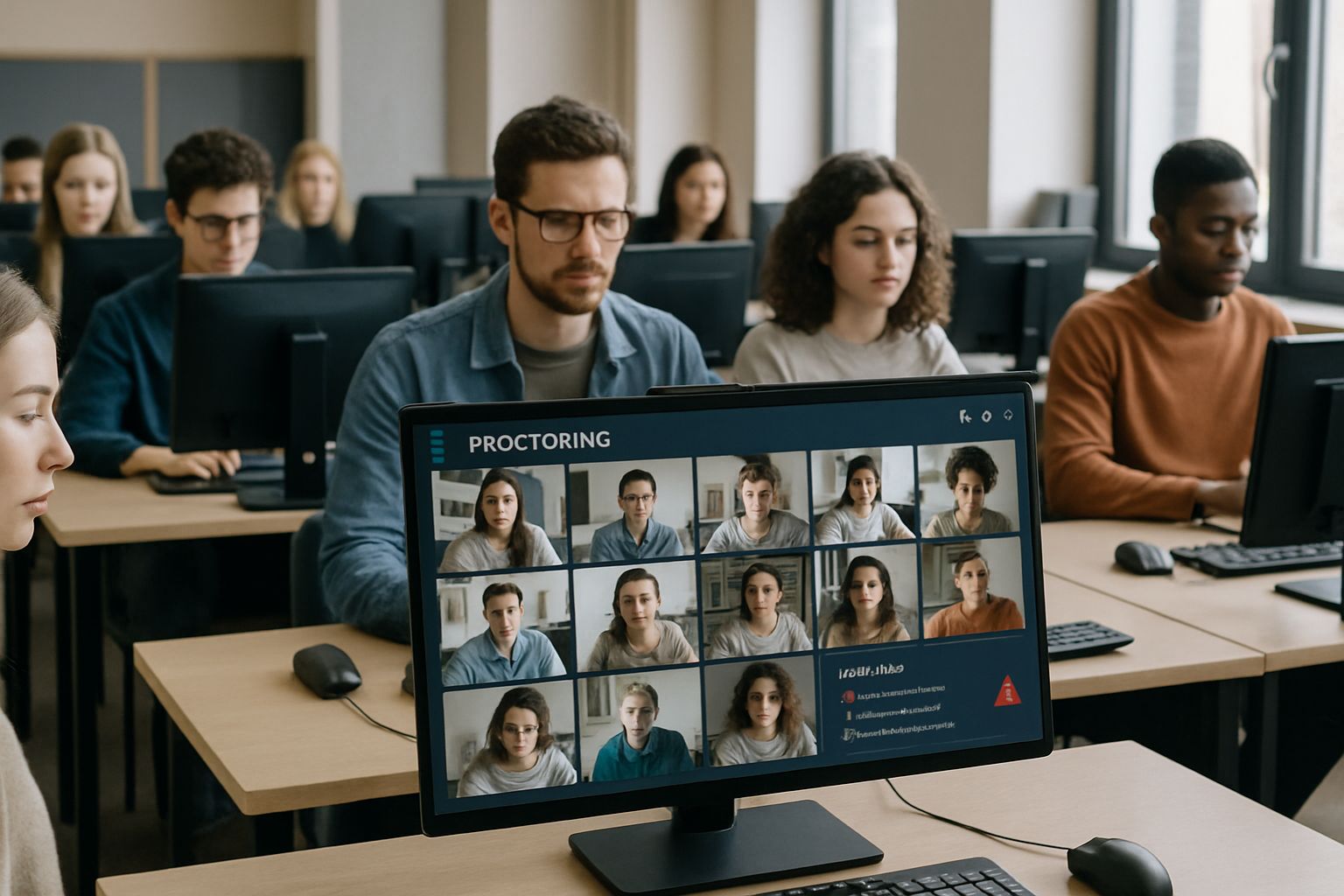
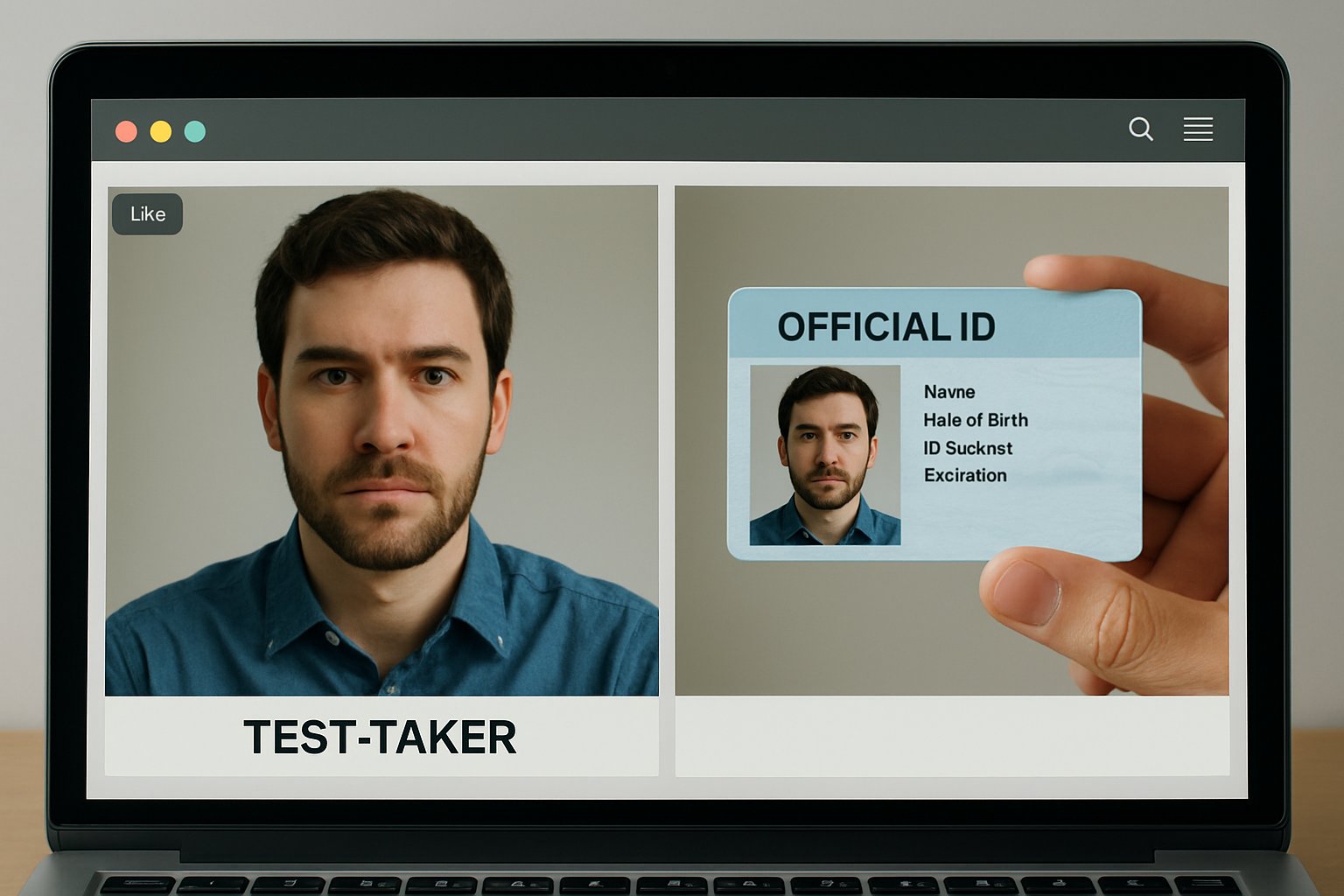
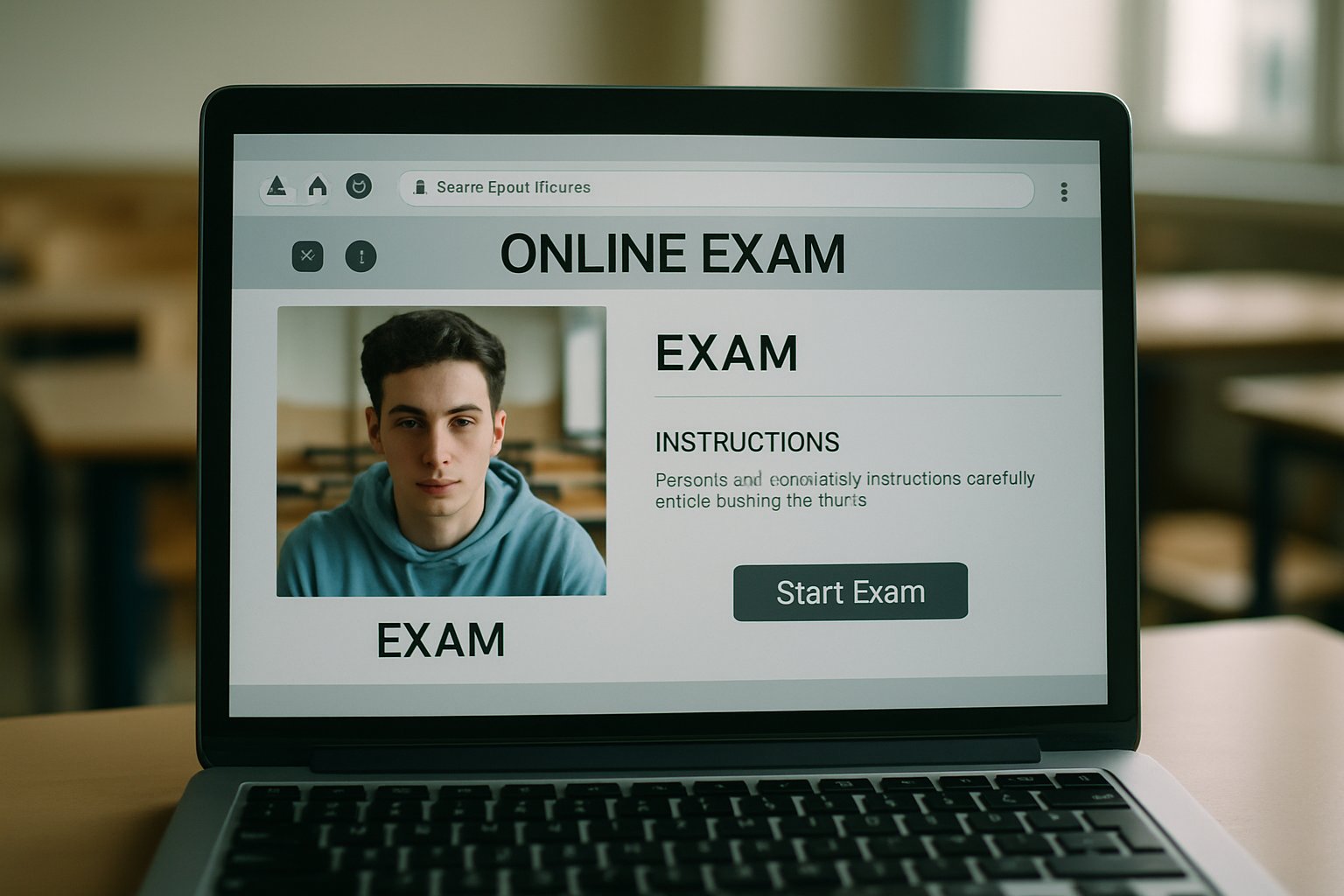
10 Steps for a Smooth at Home Proctored Exam

Online assessments keep growing, yet failure rates still frustrate candidates. A solid plan turns an at home proctored exam from stress trigger into smooth success.

Institutions deploy live and AI tools because cheating reached 44.7% in some studies. Meanwhile, market analysts value remote proctoring near USD 1 billion with double-digit growth.
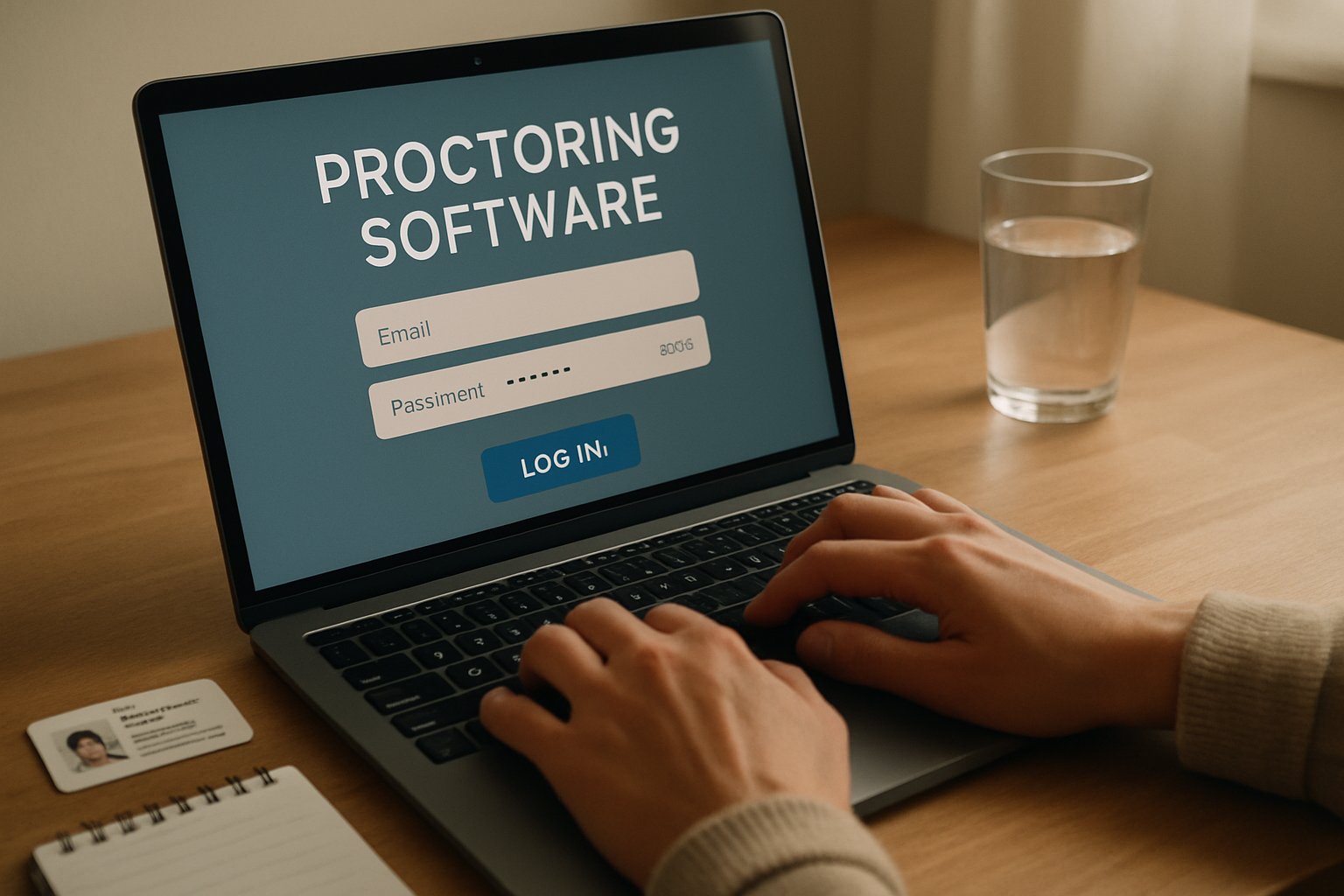
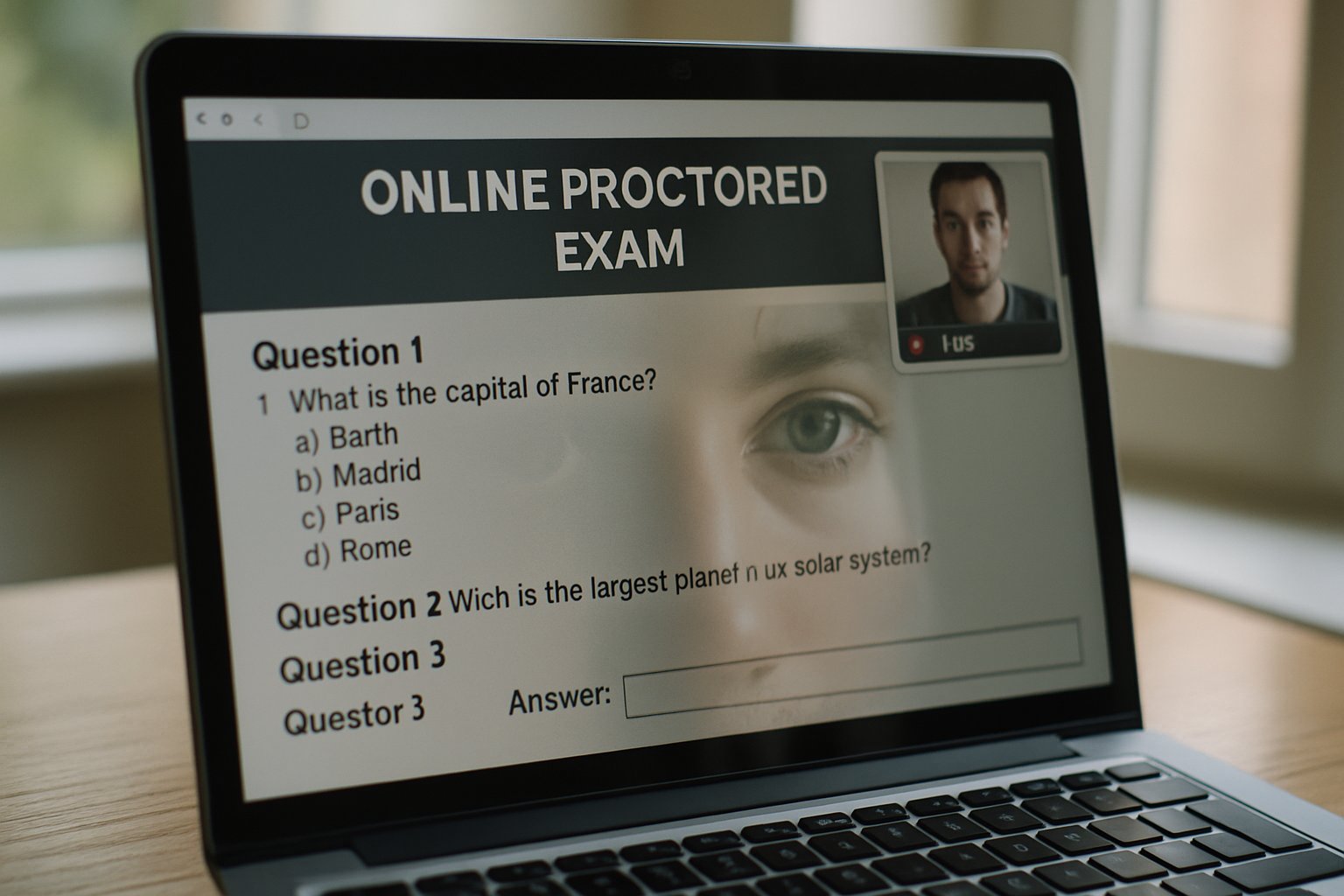
Person logging into proctoring software for an at home proctored exam.
Logging in to proctoring software is the first step towards a successful at home proctored exam.

The guide below distills vendor manuals, legal updates, and expert advice into ten actionable steps. Follow them, and your next credential will launch without technical tears or privacy hiccups.

Crucially, emerging court decisions and student petitions keep privacy safeguards in the spotlight. Vendors answer with clearer data policies and refined AI flagging rules.

This article walks corporate L&D leaders, ed-tech teams, and faculty through proven preparation tactics. Implement them and spare your help-desk frantic midnight calls.

Along the way, we spotlight ai proctoring and student privacy pressures each step must respect. Balanced guidance keeps institutions compliant and learners confident.

Review Core Exam Requirements

First, read every rule that governs materials, breaks, and ID. Different courses allow calculators, scrap paper, or open books; never assume parity.

Moreover, confirm disability accommodations early, because approvals sometimes take a week. List what you may legally keep on your desk, noting ai proctoring and student privacy concerns.

Clear rules reduce panic and arguments later. Next, secure your timing logistics.

Confirm Exam Schedule Details

Scheduling misfires still top proctor help-desk logs. Therefore, double-check date, time zone, and launch window inside the platform and your calendar.

Arrive 15 minutes early; the check-in sometimes includes photo ID verification and a short room scan. Additionally, note support phone numbers in case the session stalls.

Accurate timing prevents last-minute reschedules. After booking, turn to technology preflight.

Complete Pre Exam Checks

Run the vendor system test for your at home proctored exam at least 48 hours before the slot. Install the secure or lockdown browser, then reboot to lock in permissions.

Many failures stem from antivirus pop-ups or outdated webcams, so fix flagged items immediately. Furthermore, perform the same test on the exact computer you will use.

Early diagnostics stop launch disasters. Now, create a distraction-free environment.

Prepare Secure Testing Space

Choose a private, well-lit room with a plain wall behind you. Clear every surface except approved materials; remove smart watches, books, and second screens.

Consequently, the proctor sees a tidy workspace and flags fewer anomalies. Practice a slow 360-degree camera sweep so the process feels natural.

A clean space limits proctor alerts. Your hardware also needs attention.

Optimize Device And Network

Wired ethernet and a plugged-in laptop slash disconnect probability. Moreover, close cloud drives, social apps, and update blockers to free bandwidth.

  • Average dropout rate falls below 2% on wired connections.
  • Charge level under 20% triples crash risk.
  • Lockdown browsers block 90% of background apps during an at home proctored exam.

Such facts show why tech readiness matters. Additionally, the ai based proctoring exam engines run smoother when CPU load stays low.

Consequently, privacy alerts also reduce because fewer apps access your camera. Strong hardware and network secure exam continuity.

Next, rehearse the complete workflow.

Practice In Real Conditions

Universities recommend a timed practice quiz inside the same platform. During rehearsal, follow every rule, including silence and webcam focus.

Moreover, record any glitches and contact support, keeping screenshots for evidence. This dry run also reveals ai proctoring and student privacy prompts you may face.

Practice converts surprises into routine. Finally, prepare for launch day itself.

Secure At Home Proctored Exam

On exam morning, restart the device and open only the testing browser. Have your government ID and permitted notes within reach, yet outside camera blind spots.

Furthermore, family members should know the room is off-limits until you finish. If an error appears, capture the code and continue communicating through the platform chat.

Remember, the ai based proctoring exam logic flags suspicious silence gaps, so speak when asked. Nevertheless, raise a hand digitally before adjusting headsets or materials.

Completion screens usually appear; screenshot them before closing the session. These habits ensure your at home proctored exam ends without dispute.

Flawless execution protects scores and reputation. Let us recap and show next steps.

Conclusion

You now hold a clear, ten-step roadmap. Follow each point and your at home proctored exam will start, run, and finish smoothly.

Why Proctor365? Because our AI-powered platform merges live oversight with adaptive algorithms for unrivaled integrity. Universities, certifiers, and global employers trust our instant analytics.

We deliver advanced identity verification, scalable monitoring, and instant analytics. Discover how Proctor365 strengthens every ai based proctoring exam while respecting ai proctoring and student privacy.

Visit proctor365.ai to book a demo today.

Frequently Asked Questions

  1. What is the significance of completing pre-exam device and network checks?
    Ensuring solid tech readiness minimizes connection issues during AI-based proctoring exams. This practice boosts exam integrity through proper hardware, secure networks, and proactive troubleshooting consistent with Proctor365 standards.
  2. How can I create a distraction-free testing environment for my remote exam?
    Prepare a quiet, well-lit area with a plain backdrop, remove unauthorized devices, and reposition permitted materials. This setup supports Proctor365’s fraud prevention and identity verification protocols, helping ensure exam fairness.
  3. Why is practicing an exam simulation important before the real test?
    Simulated exams familiarize you with AI proctoring rules, camera checks, and system tests, reducing anxiety while ensuring immediate support. Practice sessions improve readiness and uphold exam integrity with guided real-world scenarios.
  4. What makes Proctor365 the preferred platform for remote proctoring?
    Proctor365 combines AI proctoring, advanced identity verification, and live oversight for secure testing environments. Its scalable solutions ensure fraud prevention and seamless exam administration, making it trusted by universities and certifiers.
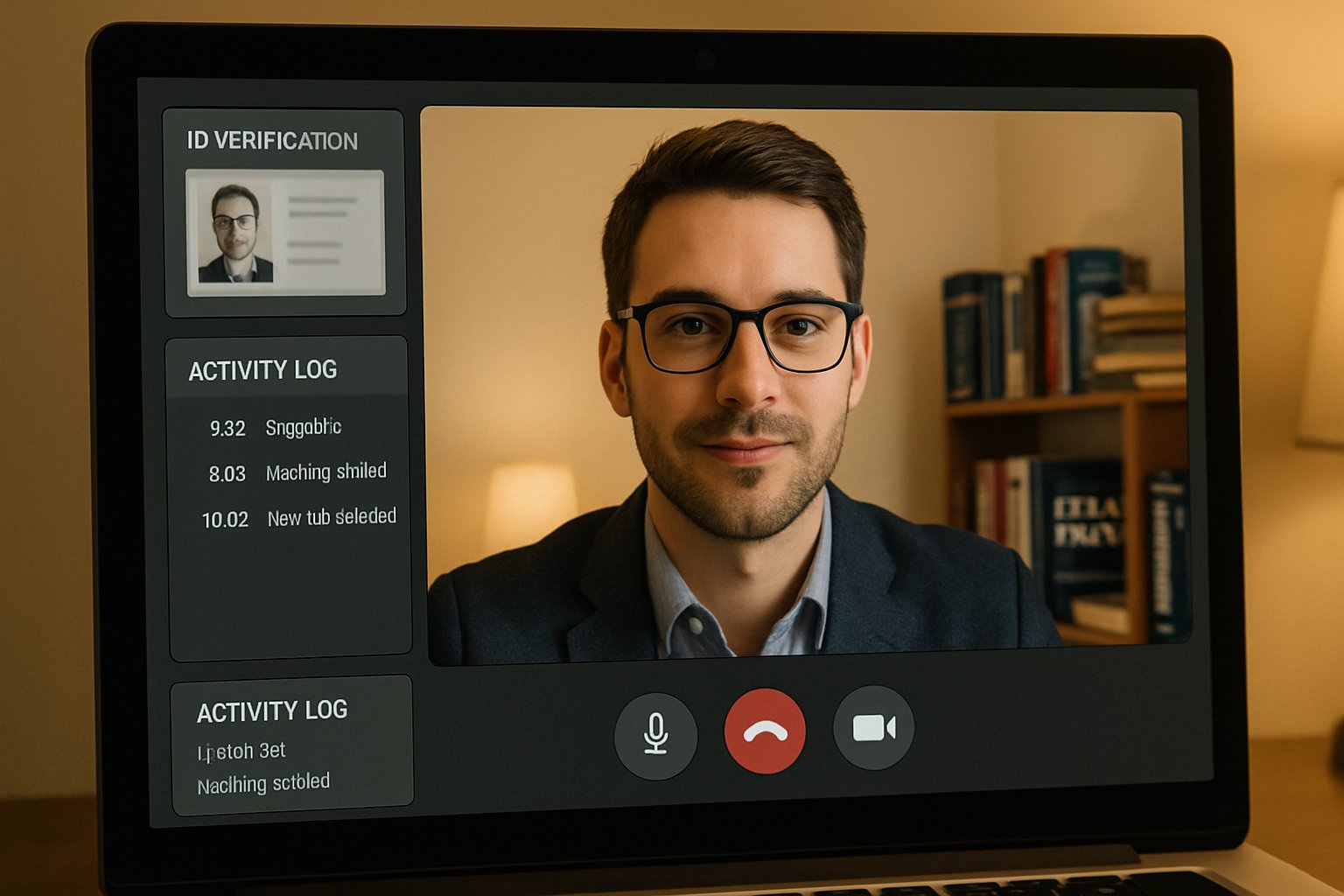
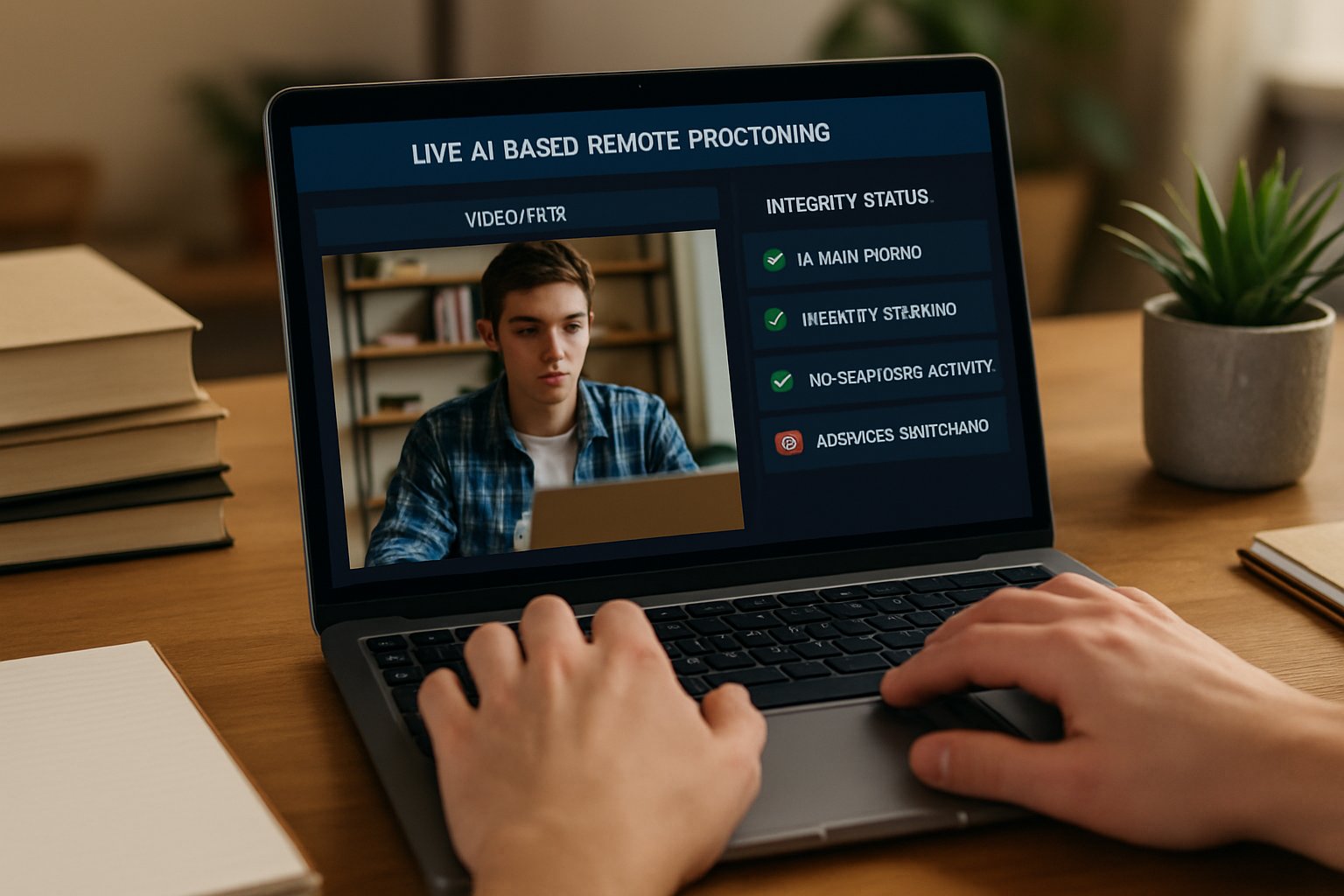
5 Pillar Framework for an AI Based Remote Proctoring System

Universities plan thousands of online exams this semester. However, headlines show privacy lawsuits, student boycotts, and cheating scandals. Institutions now scramble to balance credibility and compassion. An ai based remote proctoring system offers scale, but not safety by default. Consequently, leaders ask for a structured roadmap. This article unveils a five-pillar framework backed by recent data, legal developments, and expert guidance. It distills NIST identity standards, market statistics, and student equity findings into clear controls. Moreover, it highlights global trends in ai proctoring 2026 and beyond. By following these pillars, exam bodies can protect integrity without sacrificing trust.

AI Based Remote Proctoring System

Market analysts value the sector at roughly USD 1.49 billion for 2026. ResearchAndMarkets reports a near 10% CAGR through 2032. Furthermore, new contracts such as CUNY’s March 2025 deal with YuJa show institutional momentum. Yet privacy litigation and access gaps temper adoption.

Computer showing ai based remote proctoring system interface with monitoring tools.
AI monitoring software tracks student activity during remote exams for added security.

Consequently, decision-makers shift from vendor hype to holistic design. The five pillars provide that alignment and answer ongoing global trends in ai proctoring 2026. Let’s examine each pillar.

Key takeaway: market growth remains strong, but scrutiny intensifies. Therefore, institutions need a disciplined framework before deploying proctoring tools.

Pillar One Identity Assurance

Identity sets the foundation. NIST SP 800-63 outlines Assurance Levels that match exam stakes. For high-stakes tests, supervised document checks plus multi-factor authentication reach AAL2 or higher. Additionally, many vendors now offer biometric binding, though bias audits remain essential.

Deploying these controls makes the ai based remote proctoring system defensible in appeals. However, over-strict proofing can exclude learners who lack government IDs or stable connectivity. Offer in-person alternatives and record every decision path.

Strong authentication deters imposters while safeguarding due process. Next, secure the devices themselves.

Pillar Two Environment Integrity

Lockdown browsers, VM detection, and pre-exam diagnostics restrict digital shortcuts. Respondus LockDown Browser remains common, yet newer lightweight agents emerge. Moreover, ISO-certified vendors now publish transparent penetration test results.

An ai based remote proctoring system should run browser locks alongside network monitoring for file-sharing or remote-desktop traffic. Provide clear installation guides, fallback devices, and accessibility support to reduce failure rates.

Nevertheless, some learners still circumvent controls with second devices. Pair environment integrity with smart monitoring, the next pillar.

This pillar minimizes technical cheating windows. Consequently, human and AI surveillance can focus on fewer high-risk signals.

Pillar Three Smart Monitoring

Automated flags catch gaze shifts, additional voices, and unusual keystrokes. However, false positives spike without human context. Studies show over 50% of students feel algorithms misinterpret normal behavior.

Blend AI detection with trained reviewers who follow documented rubrics. A balanced approach turns the ai based proctoring exam session into reliable evidence, not random alerts. Schedule random audits to test reviewer consistency.

When the ai based remote proctoring system escalates a flag, provide rapid appeals and data transparency. Maintain chain-of-custody logs for legal resilience.

Effective monitoring requires iterative tuning and humane oversight. Next, institutions must govern the collected data responsibly.

Pillar Four Privacy Governance

Data minimization sits at the heart of compliance. GDPR and FERPA demand purpose limitation, retention schedules, and explicit consent. Moreover, recent court rulings on room scans highlight constitutional concerns.

Therefore, configure the ai based remote proctoring system to store only essential artifacts and auto-delete after appeals expire. Publish plain-language notices and allow opt-out paths such as proctored centers.

Global trends in ai proctoring 2026 show vendors touting ISO 42001 and SOC-2 reports. Always verify these claims and embed audit rights in contracts.

Clear governance reduces legal exposure and builds student trust. Equality now enters the spotlight.

Pillar Five Student Equity

Bandwidth, caregiving duties, and disability accommodations all influence exam fairness. Surveys reveal up to 60% of learners struggle with home proctoring logistics. Consequently, equity controls must accompany every technical safeguard.

Offer loaner laptops, extended windows, and on-campus rooms. Meanwhile, track demographic flag rates to uncover algorithmic bias. An inclusive ai based remote proctoring system drives higher course completion and reduces disputes.

In contrast, ignoring equity multiplies appeals and reputational damage, particularly as global trends in ai proctoring 2026 favor student-centric design.

Equity ensures legitimacy across diverse cohorts. Finally, translate the five pillars into daily operations.

Action Readiness Checklist 2026

The following quick wins reinforce the framework:

  • Complete a privacy impact assessment before any ai based proctoring exam rollout.
  • Demand ISO 27001, SOC-2, and breach-notification clauses from vendors.
  • Mandate human review and transparent appeals within the ai based remote proctoring system.
  • Run accessibility and bias tests with diverse volunteers.
  • Publish retention and deletion timelines that meet local law.

Moreover, appoint a cross-functional governance board that audits metrics quarterly. Consequently, issues surface early and remedial actions remain swift.

This checklist operationalizes the pillars and future-proofs assessments. Now, explore why Proctor365 excels at every step.

Secure at-home testing demands synchronized identity, environment, monitoring, governance, and equity controls. When each pillar activates, cheating chances drop, student confidence rises, and regulatory threats shrink. This ai based proctoring exam landscape will keep evolving, yet an ai based remote proctoring system built on this framework positions institutions for sustainable success.

Why Proctor365? The platform fuses AI-powered proctoring, advanced identity verification, and cloud scalability into one seamless stack. Trusted by global exam bodies, Proctor365 embeds human review, ISO-aligned security, and rich analytics. Therefore, your ai based remote proctoring system gains instant robustness. Explore how it preserves exam integrity today at Proctor365.ai.

Frequently Asked Questions

  1. How does Proctor365 ensure exam integrity?
    Proctor365 secures exam integrity with AI-powered proctoring by combining robust identity verification, secure environment controls, and smart monitoring. These advanced measures deter cheating and reinforce trust.
  2. What enhanced identity verification measures does Proctor365 use?
    Proctor365 employs multi-factor authentication, biometric binding, and document checks aligned with NIST standards. These measures ensure that only genuine test takers participate in high-stakes online exams.
  3. How does Proctor365 balance exam security with student equity?
    Proctor365 supports student equity by offering alternative on-campus testing, extended exam windows, and accessible support. This balanced approach maintains robust security while addressing connectivity and resource challenges.
  4. How does Proctor365 protect privacy and ensure compliance in remote proctoring?
    Proctor365 prioritizes privacy by minimizing data collection, auto-deleting unnecessary records, and offering transparent consent. This design aligns with GDPR, FERPA, and ISO standards while safeguarding student information.

2026 Outlook for AI Based Remote Proctoring

Universities now rely on online tests more than ever. Consequently, ai based remote proctoring has moved from emergency fix to strategic pillar. Vendors promise scalable integrity, yet regulators and students demand safeguards. Meanwhile, new algorithms and market forecasts suggest rapid growth through 2026. This article unpacks the numbers, policies, and technologies shaping the next period. We also provide an exam proctoring readiness checklist to guide purchasing teams. Moreover, quotes from privacy advocates and market analysts highlight diverging priorities. Therefore, prepare to balance opportunity with compliance risk.

AI Based Remote Proctoring

At its core, the approach uses computer vision, audio analysis, and behavior metrics to flag suspicious events. Most decision makers still view ai based remote proctoring as the frontline defense against cheating. Current systems blend identity verification, multi-modal monitoring, and explainable scoring. Importantly, many vendors now speak of privacy-first design and human oversight.

Live dashboard of ai based remote proctoring solution during secure online testing.
A live dashboard view of AI powered remote proctoring technology in action.

These capabilities offer instant scale and consistent audit trails. However, markets ultimately grow when trust and legal certainty follow.

Market Outlook For 2026

Analyst houses disagree on exact revenue totals. Forecasts specifically highlight ai based remote proctoring revenue overtaking live proctoring by 2027. Reports peg 2026 revenues between USD 0.8 and 1.6 billion, with 15-20% CAGR. Meanwhile, higher education and certification bodies account for most spending.

  • Rising AI-assisted cheating incidents
  • Growth of fully online degree programs
  • Corporate skills testing at scale
  • Regulatory acceptance of digital ID

Collectively, these factors sustain double-digit expansion despite controversy. Next, we examine the rules that could slow adoption.

Regulation Deadlines Loom

The EU AI Act will mark 2 August 2026 as the high-risk compliance deadline. Therefore, vendors must file technical documents, register systems, and prove human oversight. Noncompliance may bar ai based remote proctoring platforms from EU procurement lists. US operators face fragmented state biometric laws, especially Illinois BIPA.

Consequently, institutions should request clear data retention timelines during contract talks. Regulatory costs will rise, yet compliance opens vast European markets. Technology updates can ease that journey, as we discuss next.

Emerging Tech Stacks Ahead

Future ai based remote proctoring suites will likely bake dual-camera sensors into one dashboard. Research prototypes show dual-camera setups reducing blind spots by 32%. Moreover, keystroke dynamics help flag ghostwriters without intrusive video. Vendors also add LLM-aware detectors to spot generated text during essay exams.

Multi-Modal Detection Gains Ground

Fusion models combine webcam, mic, screen, and keystroke feeds for higher confidence scores. However, transparency dashboards now display how each signal weighted the final flag.

LLM Aware Response Detection

Detection models still miss multilingual or short answers. Therefore, educators pair detectors with revised question pools and open-book formats.

Technology innovations promise richer evidence with fewer false alerts. Yet, every upgrade deepens the need for vendor due diligence.

Student Equity Concerns Rise

Studies link proctoring software to higher anxiety and differential flag rates. One 2024 paper found disabled students reported greater stress under camera surveillance. Privacy advocates warn that mandatory face scans compel disproportionate data surrender. Nevertheless, some institutions offer alternative assessment rooms or turn off high-risk features.

Balancing integrity with well-being requires flexible settings and clear appeal channels. Next, we outline how buyers can operationalize that balance.

Smart Procurement Strategy Playbook

Procurement officers often juggle price, accuracy, and compliance pressures. Begin with a data protection impact assessment referencing the EU AI Act annex.

  1. Map data flows and storage locations.
  2. Request third-party bias audits.
  3. Verify human review workflows.
  4. Simulate failure scenarios.

This mini exam proctoring readiness checklist helps surface hidden implementation costs. Moreover, include service-level targets for false positive resolution and student appeals. Institutions adopting ai based remote proctoring should embed the checklist into every RFP.

Following a robust playbook protects budgets and reputations. Finally, let us convert that playbook into a practical exam readiness checklist guide.

Exam Readiness Checklist Guide

Below is a condensed exam proctoring readiness checklist tailored for 2026 deployments.

  • Identify stakeholder roles and escalation paths.
  • Define acceptable data retention windows.
  • Confirm support for adaptive accessibility tools.
  • Schedule annual compliance and bias audits.
  • Run small-scale pilots before high-stakes launches.

Use the checklist during vendor demos and legal reviews. Consequently, teams avoid surprises once live exams begin.

Prepared buyers shorten launch times and strengthen student trust. With groundwork complete, attention can shift to solution performance.

Conclusion

2026 will push institutions to balance integrity, equity, and ever tighter regulation. Market data, tech innovation, and the exam proctoring readiness checklist all point toward prepared growth. However, success requires the right partner.

Why Proctor365? Proctor365 delivers ai based remote proctoring with AI-powered behaviour analysis and real-time alerts. Our platform combines advanced identity verification, scalable exam monitoring, and resilient cloud architecture. Moreover, global exam bodies trust us to safeguard millions of assessments yearly.

Schedule a demo today to protect integrity and calm stakeholder nerves. Visit Proctor365.ai and secure your next online session.

Frequently Asked Questions

  1. What is AI based remote proctoring?
    AI based remote proctoring uses computer vision, audio analysis, and behavior metrics to monitor exam environments. It ensures exam security with robust identity verification and scalable fraud prevention.
  2. How does Proctor365 enhance exam integrity?
    Proctor365 leverages AI-powered behavior analysis, real-time alerts, and advanced identity verification to deliver reliable exam monitoring. Its scalable, cloud-based platform ensures consistent audit trails and fraud detection.
  3. How do regulatory requirements impact AI based remote proctoring?
    Compliance standards like the EU AI Act require vendors to meet strict privacy and data retention guidelines. This drives the integration of human oversight and robust security features in proctoring platforms.
  4. How does Proctor365 balance exam security with student equity concerns?
    Proctor365 balances security and equity by incorporating flexible monitoring options, adaptive accessibility tools, and clear appeal channels while ensuring privacy-first designs and effective fraud prevention.

Ultimate AI Based Remote Proctoring System Checklist for 2026

Institutions worldwide now rely on an ai based remote proctoring system to protect academic credibility. However, escalating legal, ethical, and operational questions push decision-makers to review their toolkits. Consequently, a rigorous selection checklist has become essential for universities, exam bodies, and corporate programs. This article presents that checklist and the context driving each requirement. Moreover, many professionals ask how to prepare for an at home proctored exam while policies keep shifting. We answer that concern by translating recent research, market data, and regulatory signals into clear action points. Finally, you gain an integrated roadmap to secure remote exams in 2026 and beyond. The guidance aligns with international privacy rules and accessibility standards. Therefore, start ticking boxes today before the next exam window opens. Better preparation protects both institutions and learners from reputational fallout.

AI Based Remote Proctoring System

The ai based remote proctoring system market expanded quickly after 2020 lockdowns. Grand View Research projects double-digit growth, yet trust challenges now reshape procurement priorities. Meanwhile, ACCA will scrap most remote exams, citing AI-aided misconduct outpacing safeguards.

Computer lab setup for ai based remote proctoring system with students and instructor dashboard.
Modern institutions leverage AI based remote proctoring systems for effective exam monitoring.

Nevertheless, many low- and mid-stakes assessments still demand scalable online invigilation. Therefore, institutions need refined criteria rather than blanket rejection. The next sections break those criteria into manageable checkpoints.

Key takeaway: demand evidence, not slogans. Next, we examine 2026 market forces.

Market Trends 2026

Recent twelve months delivered telling market signals. Firstly, professional bodies like ACCA reversed remote policies for high-stakes sittings. Secondly, privacy regulators intensified scrutiny over biometric data retention and algorithmic bias. Additionally, investors still fund vendors expecting midsize institutions to continue online testing.

Industry reports estimate the ai based remote proctoring system niche between $0.5 and $1.2 billion. However, CAGR forecasts vary and deserve careful validation before board presentations. Consequently, procurement teams should request third-party numbers directly from analysts.

Key takeaway: market optimism coexists with rising scepticism. Now, focus on the main risk factors driving that scepticism.

Critical Risk Factors

Four overlapping risks dominate board discussions. Privacy breaches expose sensitive recordings and identities. Algorithmic bias can falsely flag students from underrepresented groups. Accessibility failures may violate ADA obligations. Finally, network or browser crashes can terminate valid attempts.

  • False-positive rates reported by vendors range from 2% to 9% per session.
  • Up to 15% of help tickets stem from bandwidth or camera issues.
  • NIST tests reveal demographic error gaps exceeding 10x between algorithms.

These numbers show why governance controls matter. Let’s convert risks into a concrete checklist.

Step By Step Checklist

The following ten domains mirror leading audit frameworks. When applied, they answer how to prepare for an at home proctored exam from an institutional view. Moreover, they help vendors align with global standards. Each item ensures your ai based remote proctoring system aligns with global trust standards.

Governance Contract Essentials

Demand a signed DPA, breach-notification clause, and SOC 2 evidence. Additionally, insist on post-contract data deletion within 30 days. Therefore, legal teams can enforce accountability.

Privacy And Data Minimization

Collect only video, audio, and metadata essential for the exam objective. Encrypt everything in transit and at rest using AES-256. Furthermore, set default retention below 60 days unless appeals remain open.

Identity Verification Accuracy Demands

Require liveness checks plus document matching backed by independent NIST-style reports. Institutions should also review demographic performance slices before deployment. Consequently, equity objections diminish. Precise thresholds save the ai based remote proctoring system from producing endless false flags.

Accessibility And Fairness

Publish an accommodations policy covering assistive tech, extended time, and alternate locations. Moreover, offer opt-outs for students with documented concerns. Clear communication reduces grievances later. Inclusive design strengthens any ai based remote proctoring system against discrimination claims.

Checklist completion provides a defensible audit trail. Next, test effectiveness through measurable pilots.

Pilot Success Metrics Guide

A short pilot validates assumptions before campus-wide rollout. Track technical completion rate, false-positive ratio, and student stress levels. Moreover, segment every metric by race, gender, device, and bandwidth. Evaluate cost per exam including human review hours.

Institutions also learn how to prepare for an at home proctored exam from student surveys. Feedback identifies confusing instructions and hardware gaps.

Pilot data converts theory into concrete return-on-investment. Armed with evidence, leaders can plan future strategies.

Future Remote Exam Strategies

Stakeholders now blend multiple assessment models. Some high-stakes tests return onsite, while quizzes stay online with an ai based remote proctoring system. Others redesign evaluations toward open-resource or oral formats resilient to generative AI. Nevertheless, remote proctoring will persist where convenience and access outweigh risks.

Therefore, keep updating policies, vendor contracts, and training materials annually. Also share pilot findings with peer institutions for collaborative improvements. Students still ask how to prepare for an at home proctored exam; transparent FAQs help them succeed.

Future readiness demands iterative governance. Finally, consider why Proctor365 addresses these evolving needs.

Conclusion

Remote assessment will stay, yet only disciplined governance secures trust. This guide shared risks, metrics, and steps to optimise your ai based remote proctoring system. Follow the checklist, run pilots, and update policies yearly. Proctor365 combines advanced AI analytics, robust identity verification, and elastic cloud scaling. Consequently, global exam bodies trust its 24/7 monitoring to protect billions of exam minutes. Moreover, the platform delivers detailed audit logs, low-bandwidth modes, and inclusive accommodation workflows. Elevate integrity now; visit Proctor365.ai to deploy an ai based remote proctoring system.

Frequently Asked Questions

  1. How does AI-based remote proctoring enhance exam security?
    AI-based remote proctoring, like Proctor365’s system, leverages advanced AI analytics and identity verification to minimize fraud and ensure secure exam environments with transparent audit logs and robust data encryption.
  2. What risk factors should institutions consider with remote exam proctoring?
    Institutions must consider risks such as privacy breaches, algorithmic bias, and technical disruptions. Proctor365 mitigates these risks using multi-layer fraud prevention tools and scalable AI proctoring for secure exams.
  3. How can institutions prepare for changes in remote exam strategies?
    Institutions can prepare by following a structured checklist, running pilot tests, and updating governance protocols continuously. Proctor365 supports flexible AI proctoring solutions that adapt to evolving exam trends.
  4. How do students prepare for an at home proctored exam?
    Students should review clear exam instructions, test their connectivity, and verify their identity using robust online tools. Proctor365 emphasizes user guidance, ensuring fairness and smooth exam execution.

Top FAQs On AI Based Remote Proctoring System And Data Privacy

Remote exams surged after 2020, and institutions now rely on technology for credibility. At the center sits the ai based remote proctoring system, promising scale yet raising tough privacy questions.

This FAQ unpacks the most common concerns voiced by universities, recruiters, and corporate training teams. You will find current market data, legal rulings, and practical steps to stay compliant.

Professionals review data privacy for ai based remote proctoring system.
Experts collaborate on data privacy measures for online proctoring platforms.

Throughout, we balance benefits and risks, highlighting actionable checkpoints. Consequently, decision makers can safeguard both academic integrity and learner trust.

The insights draw on 2025 market research from The Insight Partners and recent courtroom developments like Ogletree v. Cleveland State. Moreover, we review settlements such as the Respondus BIPA case to illustrate financial exposure.

Early pilots of ai based remote proctoring highlighted both promise and controversy.

AI Based Remote Proctoring System

An ai based remote proctoring system combines webcam video, screen capture, and machine learning to flag potential misconduct automatically. Institutions configure modules such as identity verification, lockdown browsers, and behavioral analytics.

However, system accuracy hinges on training data, lighting, network stability, and human review policies. Therefore, procurement teams should request vendor confusion-matrix results and false positive rates for different demographic groups.

  • Identity check using ID selfie match or face detection.
  • Browser lockdown blocking navigation and clipboard actions.
  • Live or asynchronous human review dashboards.
  • Encrypted cloud storage with institution controlled retention settings.

In summary, the technology offers scalable deterrence and audit trails. Yet success depends on careful configuration and transparent communication.

Next, we examine market momentum that fuels adoption.

Latest Market Growth Insights

Market analysts peg 2024 online proctoring revenue at roughly USD 869 million worldwide (The Insight Partners, 2025). Moreover, they forecast USD 2.35 billion by 2031, reflecting a 15.5% CAGR.

Consolidation is accelerating as vendors seek global scale and compliance certifications. Consequently, buyers can negotiate favorable service-level agreements and stronger privacy guarantees.

Surveys show 30–60% of higher-education institutions now pilot or deploy ai based remote proctoring. Adoption of ai proctoring for recruitment exams accelerates across multinational firms.

  • Digital transformation mandates after pandemic disruptions.
  • Cost savings compared to physical test centers.
  • Demand for flexible, on-demand assessment windows.

Overall, rising budgets and hybrid learning keep the trajectory positive. Therefore, understanding privacy impacts becomes even more urgent.

Moving forward, we explore those privacy risks.

Key Privacy Risk Factors

Critics argue that continuous video collection resembles unwarranted surveillance. In contrast, vendors counter that encryption and short retention mitigate harm.

Major friction points include biometric storage, room scans, cross-border data transfer, and algorithmic bias. For example, Respondus settled a $6.25M Illinois BIPA lawsuit over consent shortcomings.

Students also report discomfort with camera scans; surveys place unease near 50%. Additionally, low-bandwidth users experience technical failures that exaggerate stress. When using an ai based remote proctoring system, data minimization becomes critical.

These concerns extend to ai proctoring for recruitment exams, where candidates often use personal devices under tight deadlines. Employers risk talent alienation if monitoring feels intrusive.

  • Offer alternative in-person or recorded review options.
  • Disable room scan unless strictly required.
  • Publish retention limits in student handbooks.

In short, transparency and choice help balance privacy with integrity. Consequently, legal context becomes the next decisive factor.

Let’s turn to the evolving legal landscape.

Current Legal Landscape Update

Ogletree v. Cleveland State held compulsory room scans could violate Fourth Amendment protections. Subsequently, many public universities removed mandatory scans or added explicit opt-outs.

European regulators similarly flag high-risk biometric processing under GDPR and the forthcoming EU AI Act. Therefore, Data Protection Impact Assessments are now standard during procurement.

For ai proctoring for recruitment exams, employers must watch state privacy laws like California’s CPRA. Violations can trigger statutory damages and reputational fallout.

Institutions should ask vendors about storage locales, subcontractors, and facial recognition usage. Moreover, contracts must detail breach notification timelines and liability caps.

Clear contractual language reduces uncertainty and courtroom exposure. Next, we weigh practical pros and cons.

The following section provides a balanced view.

Balanced Pros And Cons

Proponents note that ai based remote proctoring reduces venue costs while offering 24-hour testing flexibility. Conversely, opponents emphasize privacy invasion, algorithmic bias, and accessibility hurdles.

When configured thoughtfully, an ai based remote proctoring system can deter impersonation and document evidence for appeals. However, poor lighting or atypical behaviors may trigger false flags that strain support desks.

Balanced evaluation requires institution-specific risk assessments. Consequently, targeted deployment strategies become crucial.

We now address recruitment exam scenarios.

AI Recruitment Exams Focus

Corporations increasingly adopt ai proctoring for recruitment exams to filter large applicant pools remotely. Moreover, time-shifting tests across time zones improves candidate convenience.

Yet, job seekers may worry that surveillance jeopardizes equal opportunity during sensitive hiring moments. Therefore, employers should explain data flows, provide helplines, and permit retests after technical failures.

A tiered risk model works well: identity check only for aptitude quizzes; full monitoring for finals.

Transparent design strengthens employer brand while preserving integrity. Consequently, vendor selection becomes a strategic decision.

Our final section guides that choice.

Selecting Right Partner Guide

Begin with a privacy impact questionnaire covering data types, storage duration, and encryption ownership. Additionally, request independent security audits like SOC-2 or ISO 27001.

Evaluate user experience by running pilot exams across bandwidth tiers and disability accommodations. Furthermore, an ai based remote proctoring setup should integrate screen readers for accessibility.

Finally, compare total cost of ownership, including support staffing and dispute resolution overhead. An ai based remote proctoring system with modular pricing often lowers unexpected expenses.

Careful vetting aligns technology with institutional values and budgets. Therefore, readiness to act decisively follows.

Let’s summarize key insights and see how Proctor365 helps.

Conclusion

Remote assessment is here to stay. By weighing market trends, privacy laws, and user experience, leaders can deploy an ai based remote proctoring system responsibly. Clear communication and flexible policies further support fairness for students and job candidates.

Why Proctor365? Our ai based remote proctoring system pairs advanced identity verification with real-time AI analytics, delivering scalable, accurate monitoring. Moreover, global exam bodies trust Proctor365 for secure delivery across certifications, universities, and corporate programmes. Visit Proctor365.ai to strengthen exam integrity today. Our platform offers AI-powered flagging, flexible proctor levels, and detailed audit logs. Consequently, administrators save support time while maintaining rigorous standards.

Frequently Asked Questions

  1. How does AI-based remote proctoring enhance exam integrity?
    AI-based remote proctoring enhances exam integrity by using webcam monitoring, real-time analytics, and fraud prevention tools. Proctor365’s system also supports accurate identity verification and secure audit trails for fair exam conditions.
  2. What privacy concerns arise with remote proctoring?
    Privacy concerns include continuous video monitoring, biometric data usage, and potential algorithmic bias. Proctor365 addresses these issues with encryption, strict data retention policies, and transparent data practices to safeguard user privacy.
  3. How do institutions balance exam security with student privacy?
    Institutions can balance exam security with student privacy by employing flexible proctoring measures, clear communication of exam protocols, and data minimization. Proctor365 integrates robust fraud prevention with configurable identity verification for optimal balance.
  4. Why should organizations choose Proctor365 for remote exam proctoring?
    Proctor365 stands out with its AI-powered analytics, secure identity verification, and scalable audit logs. Our system offers cost-effective, flexible proctoring solutions that meet compliance standards and enhance exam integrity while protecting candidate data.

Stopping Cheating in an At Home Proctored Exam: 5 AI Defenses

Cheating did not disappear when exams moved online; it multiplied. Recent Guardian reporting shows thousands of UK students flagged for AI misuse in 2024. Universities now see the at home proctored exam as both opportunity and escalating risk.

Consequently, proctoring vendors respond with multi-modal AI that listens, watches, and locks devices. Meanwhile, regulators and privacy groups demand transparency and fairness from these tools. Finding balance requires clear understanding of how students cheat and how AI counters them.

Laptop screen showing at home proctored exam interface with live webcam monitoring.
Live video tools add extra protection during at home proctored exams.

This article maps five common remote cheating tactics and the AI defenses neutralizing them. Moreover, we outline a practical remote exam security strategy for every stakeholder. Let us start with the recent surge in dishonest activity.

Remote Cheating Surge Trends

In 2023, the Journal of Academic Ethics reviewed decades of data. It found online exam cheating self-reports jumped from 30% pre-COVID to nearly 55% during lockdown. Phil Newton, lead author, warned that surveys likely undercount real misconduct.

Parallel institutional polls by Elon University show leaders deeply worried about generative AI abuse. Furthermore, Turnitin scanned 200 million papers and flagged 11% for significant AI content. Those numbers fuel urgent investment in stronger monitoring technologies.

Cheating rates and AI adoption are rising together. Therefore, institutions need a proactive remote exam security strategy.

Secondary Device Misuse

Smartphones, smartwatches, and voice assistants offer silent answer channels during timed tests. Honorlock lists this vector as the most reported violation in their 2025 data.

AI proctoring counters with audio watermarking that detects hidden devices through ultrasonic pings. Moreover, keyword recognition flags phrases like “Hey Siri” or “ChatGPT answer” in real time.

These signals alert reviewers before answers leak outside the test window. Consequently, the at home proctored exam regains deterrent power against quick Google searches.

Next, we examine AI-written answers.

AI Answers Detection Tactics

ChatGPT and similar models can output polished essays in seconds. Unsurprisingly, many students paste that text with minimal edits.

Turnitin’s 2024 update uses large language models to estimate the percentage of AI writing. It flagged three percent of submissions as over 80% machine generated.

Nevertheless, detectors can misfire, so vendors blend automated scoring with expert human review. Furthermore, instructors should redesign tasks toward authentic, staged responses difficult for bots.

Combined human and algorithmic scrutiny reduces AI ghostwriting at scale. Thus, the at home proctored exam remains credible even in the ChatGPT era.

Contract cheating, however, still threatens integrity.

Contract Cheating Market Growth

Essay mills now advertise on TikTok, Discord, and encrypted messaging apps. TEQSA blocked hundreds of such sites across Australia during 2025 alone.

AI helps here by rotating question banks and scanning the web for leaked items. Moreover, some systems auto-generate fresh variants, denying contractors reusable material.

Dynamic content makes outsourcing slower and pricier. Consequently, students reconsider risking an at home proctored exam violation.

Impersonation represents the next frontier.

Impersonation Identity Fraud

Some candidates hire proxies who resemble their profile photos. Others share credentials with friends in distant time zones.

Modern platforms deploy selfie ID match, biometric liveness, and keystroke dynamics to unmask impostors. Additionally, suspicious behavior triggers live human audits within minutes.

Verifying identity quickly discourages professional test takers. Therefore, the at home proctored exam sustains trust across global cohorts.

Technical bypasses still demand attention.

Technical Bypass Countermeasures

Resourceful students exploit virtual machines, screen overlays, or multiple monitors. In contrast, Respondus LockDown Browser blocks screenshots and detects extra displays instantly.

Moreover, companion apps run outside the browser sandbox, plugging operating-system loopholes. Institutions should integrate these tools within a broader remote exam security strategy.

Layered controls frustrate technical exploits. As a result, cheating costs outweigh benefits in an at home proctored exam.

Finally, we unite these defenses into one roadmap.

At Home Proctored Exam

A successful remote exam security strategy blends policy, design, and technology. Firstly, update honor codes with explicit AI and device clauses.

Secondly, choose AI proctoring that combines automated flags with swift human review. Thirdly, redesign assessments toward open-notes or applied scenarios less vulnerable to lookup.

  • Flag rate versus confirmed violations
  • False positive ratio across demographics
  • Average human review turnaround time
  • Student satisfaction survey scores

Tracking these metrics refines your remote exam security strategy continually. Consequently, integrity scales without crushing user privacy.

Let us close with actionable next steps.

In summary, secondary devices, AI text generators, contract writers, impostors, and technical hacks dominate remote cheating. However, multi-modal AI proctoring, dynamic content, biometric checks, and lockdown software neutralize each threat. Building a layered remote exam security strategy keeps every at home proctored exam credible.

Why Proctor365? Our AI-powered proctoring reviews video, audio, and desktop feeds in real time. Advanced identity verification confirms liveness and matches IDs seamlessly across devices. Moreover, scalable exam monitoring supports thousands of sessions and is trusted by global exam bodies. Start today and protect your next test with Proctor365’s platform at Proctor365.ai.

Frequently Asked Questions

  1. How does Proctor365 ensure exam integrity in remote exams?
    Proctor365 employs AI-powered proctoring to monitor video, audio, and desktop feeds in real time, along with biometric identity verification, ensuring exam integrity and robust fraud prevention.
  2. What technologies does Proctor365 use for detecting secondary device misuse?
    Our platform uses ultrasonic pings, keyword detection, and real-time alerts to monitor secondary devices, ensuring any unauthorized usage is quickly identified to maintain a secure exam environment.
  3. How does Proctor365 prevent AI-generated answer fraud during exams?
    Proctor365 integrates advanced algorithms with human review to detect AI-generated answers, ensuring that suspicious content is flagged and scrutinized to uphold exam credibility and security.
  4. What methods does Proctor365 apply to verify identity and stop impersonation?
    We use selfie ID matches, biometric liveness detection, and keystroke dynamics to authenticate candidates, with live audits to prevent impersonation and enforce secure, credible remote exams.

How an AI Based Remote Proctoring System Detects Cheating

Online testing exploded after 2020, yet academic integrity threats grew just as fast. Universities, certification bodies, and corporations now rely on the ai based remote proctoring system to keep scores credible. However, many leaders still ask how the science really works.

In this article, we unpack the algorithms, performance evidence, and safeguards behind modern monitoring platforms. Additionally, we examine whether an at home proctored exam can reach the same trust level as a test center. Finally, we address the question many students raise: is ai remote proctoring safe and private?

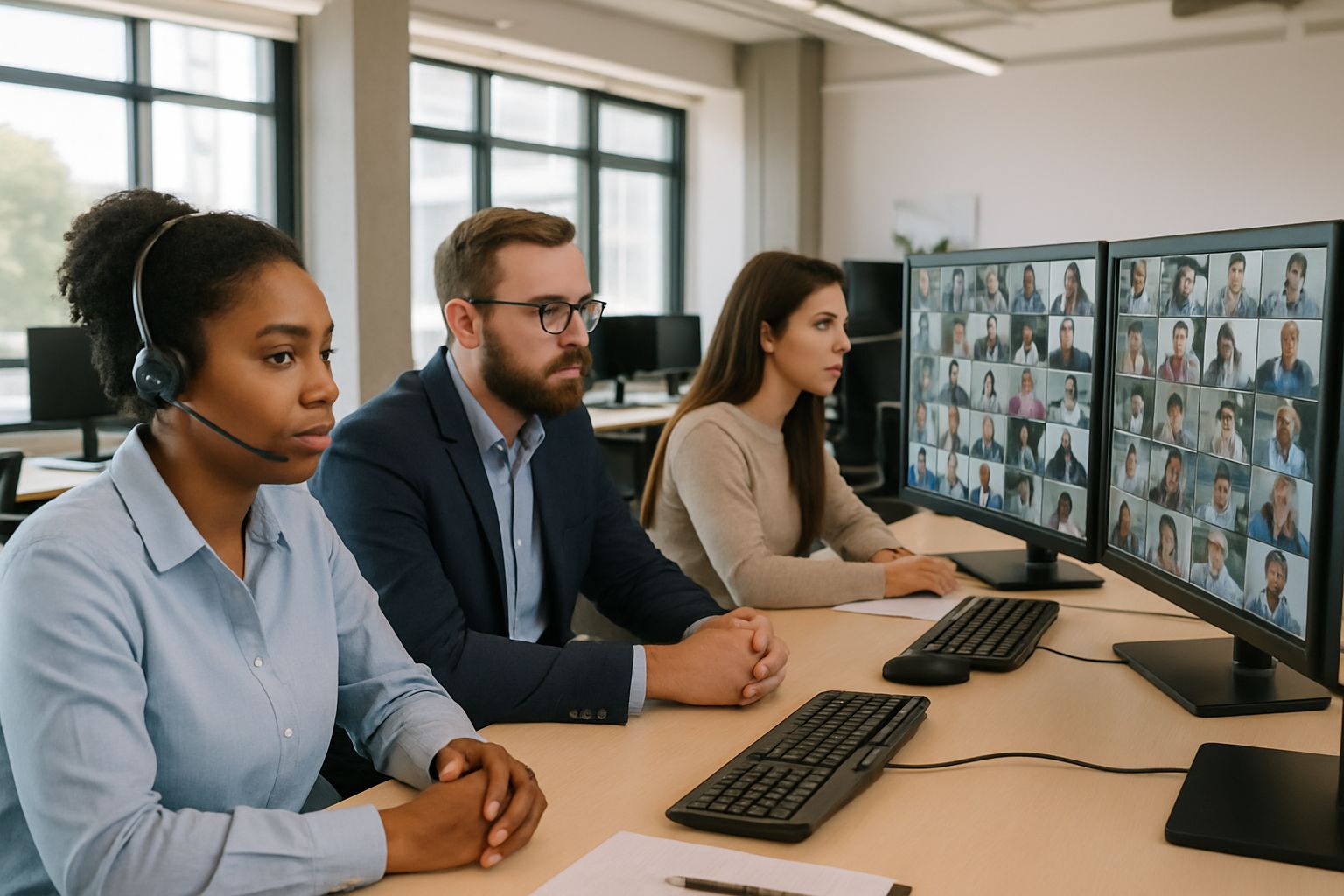
Proctors monitoring ai based remote proctoring system video feeds in control room.
Proctors oversee live feeds from an ai based remote proctoring system.

AI Based Remote Proctoring System

The ai based remote proctoring system captures synchronized streams from the webcam, microphone, and screen. Consequently, it builds a live behavioral profile for every candidate.

Machine learning models convert each signal into vectors that describe identity, gaze, sound events, and window focus. Moreover, the framework scores anomalies in near real time and forwards high-risk segments to human proctors.

Summary: The platform merges multi-sensor data and instant scoring to flag suspicious behavior. Institutions gain scalable, always-on exam oversight.

Next, we explore why cheating still threatens remote credentials.

Why Cheating Still Persists

Remote exams remove physical invigilators, so temptation rises. Candidates search online, message peers, or pay impersonators.

Consequently, institutions saw cheating spikes of 200% during 2021 remote sessions, according to university audits. Even after installing an ai based remote proctoring system, bad actors adapt with virtual cameras and covert earbuds. Moreover, an at home proctored exam can be attacked by overlay software that hides browser tabs.

Summary: Motivation, opportunity, and technology keep dishonest tactics evolving. Deterrence therefore demands adaptive AI tools that learn just as fast.

Our next section explains the sensors that provide that adaptability.

Core Detection AI Modalities

Multi Modal Signal Fusion

Modern suites fuse vision, audio, and telemetry to produce stronger evidence than any single signal. Researchers at MANIT showed that combining face, gaze, and object cues lifted F1 to 90% on a curated dataset.

  • Face verification with liveness prompts prevents photo spoofing.
  • Head-pose and gaze tracking catch repeated off-screen glances.
  • Object detection models, often YOLO variants, spot phones or extra people.
  • Audio classifiers flag whispered coaching and suspicious background noise.
  • Secure browsers log tab switches and block unauthorized processes.

Additionally, behavioral biometrics compare typing rhythm and answer timing against historical baselines. Therefore, an ai based remote proctoring system amasses rich context before flagging a rule breach. Students still ask, is ai remote proctoring safe and private? Vendors answer with encryption and minimal data retention, yet independent audits remain limited.

Summary: Multi-modal fusion improves precision and cuts false alerts. Still, transparency about data handling remains critical.

Next, we see how temporal models stitch these signals into session-level risk scores.

Temporal Models Aggregate Risk

Frame-by-frame flags can overwhelm reviewers. Consequently, vendors apply LSTM or transformer models that learn suspicious patterns across minutes.

The MANIT study reported recall above 90% after temporal aggregation. However, results drop in uncontrolled lighting or when disabilities alter gaze.

An ai based remote proctoring system retrains models with new incidents to stay ahead of cheats. Nevertheless, critics repeat the question: is ai remote proctoring safe and private when continuous recording drives these updates?

Summary: Sequence learning raises detection power, yet data volume magnifies privacy stakes. Governance must balance both goals.

We now examine those privacy and fairness challenges.

Privacy And Fairness Concerns

USENIX researchers proved several suites misidentified darker skin tones and accepted spoofed faces. Moreover, the Italian regulator fined a university for biometric misuse.

Consequently, exam bodies must ask again, is ai remote proctoring safe and private for all demographics? Fair thresholds, accessible appeals, and clear data retention policies reduce risk.

Meanwhile, students taking an at home proctored exam may feel watched in their bedrooms, increasing stress. Transparent communication and optional room scans help regain trust.

Summary: Bias and privacy gaps persist, but policy, testing, and communication can mitigate them. Continuous review remains essential.

The final section outlines deployment best practices that prioritize both security and empathy.

Best Practice Deployment Steps

Stakeholders should pilot the ai based remote proctoring system with diverse volunteers before high-stakes rollout. Collect metrics on false alerts, network load, and accessibility impact.

Secondly, publish a model card that describes training data, fairness audits, and retention periods. Moreover, always pair AI with trained human reviewers during the first exam cycle.

  • Issue clear exam rules and appeal workflows.
  • Encrypt recordings at rest and in transit.
  • Rotate algorithms to deter published bypass tricks.

Finally, compare live center metrics with an at home proctored exam using identical items. This evidence helps boards decide whether scale outweighs residual risk.

Summary: Careful pilots, transparency, and hybrid oversight deliver robust yet respectful monitoring. Implementation discipline therefore protects both grades and privacy.

With best practices defined, we close with key lessons and a trusted solution partner.

Conclusion

Remote proctoring now merges vision, audio, telemetry, and temporal AI to spot most cheating attempts. Nevertheless, evidence shows that privacy, bias, and performance gaps remain without transparency and human oversight.

Why Proctor365? Our ai based remote proctoring system delivers scalable monitoring and advanced identity verification. Real-time AI flagging is supported by experienced human reviewers for accurate final judgments. Moreover, global universities and certification boards trust Proctor365 for secure, at home proctored exam delivery. Visit Proctor365 to protect your next assessment.

Frequently Asked Questions

  1. How does AI based remote proctoring work?
    AI based remote proctoring integrates webcam, microphone, and screen data to build behavioral profiles. Real-time risk scoring combined with human oversight ensures robust exam integrity and fraud prevention.
  2. Is AI remote proctoring safe and private?
    AI remote proctoring leverages encryption, minimal data retention, and transparent policies to protect privacy while detecting anomalies. Independent audits and clear communication further enhance its safety and trustworthiness.
  3. How does Proctor365 maintain exam integrity?
    Proctor365 uses advanced AI proctoring with identity verification and fraud prevention techniques. Its system combines real-time monitoring and human review to ensure secure and credible exam sessions.
  4. What best practices should institutions follow for deploying AI proctoring?
    Institutions should pilot systems with diverse volunteers, publish model cards, issue clear exam rules, and combine AI analysis with human oversight to optimize security and fairness during online assessments.

How to become an online exam proctor: a strategic roadmap

The rush toward digital assessment has intensified. Many universities now run thousands of remote tests each month. Ambitious staff and institutions therefore ask how they can become an online exam proctor or even build a certified proctor team. This article delivers an actionable framework. It balances market data, privacy law, technology assurance, and student welfare.

Consequently, readers will gain a step-by-step plan that scales from pilot to enterprise. Along the way, we will reference at home proctored exam realities and best practices for identity verification in remote exams. Let’s begin.

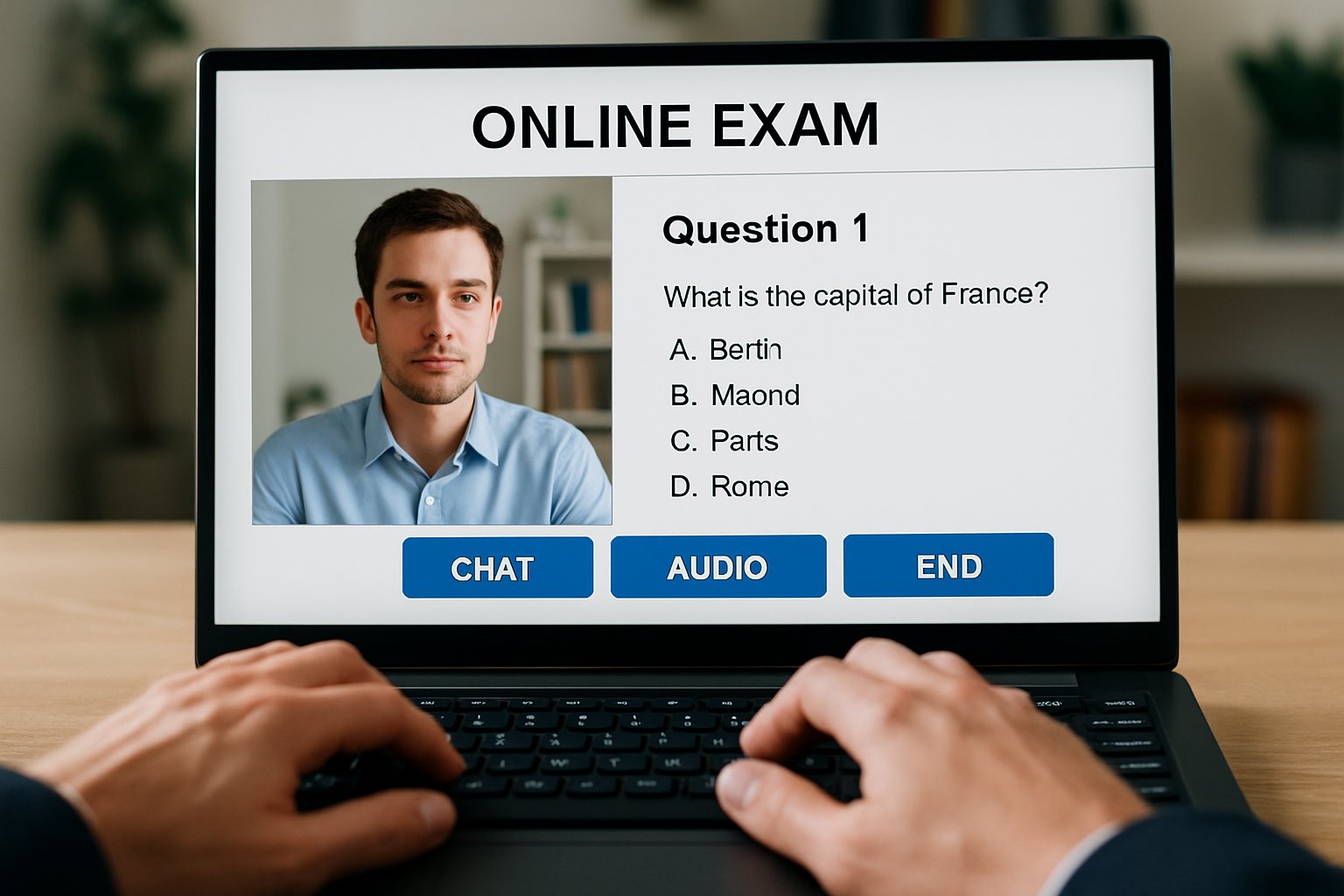
Computer screen with remote exam interface for become an online exam proctor guide
A realistic exam software interface used by online exam proctors for secure assessments.

Remote Proctoring Market Snapshot

First, consider the commercial backdrop. Recent studies peg the remote proctoring market near USD 835 million in 2024. Analysts forecast 15-18 percent compound growth through 2030. Moreover, 30–70 percent of higher-education providers already run at least one at home proctored exam.

Vendors respond aggressively. They tout SOC 2 and ISO 27001 badges, hybrid AI-human monitoring, and region-specific data-residency choices. Consequently, demand for skilled proctors outstrips supply. Institutions that plan early gain a competitive edge.

Key takeaway: the market is real, growing, and compliance-driven. Therefore, strategic certification matters.

Key Regulatory Pressure Points

However, regulators scrutinize webcam and biometric tools. The Ontario Privacy Commissioner’s 2024 decision on Respondus required clear student notice and strict retention limits. Similarly, GDPR and Illinois’ BIPA impose heavy fines for mishandled biometrics.

Therefore, any roadmap to become an online exam proctor must include a Data Protection Impact Assessment. Additionally, contracts must prohibit vendors from reusing recordings without consent.

Key takeaway: legal design cannot be an afterthought. Consequently, always embed privacy checks from day one.

Become An Online Exam Proctor

Individuals or departments that wish to become an online exam proctor need clear competencies. ProctorU and Examity both run eight-week onboarding programs covering ethics, ID checks, and incident escalation.

A recommended curriculum includes:

  • Role ethics and student dignity
  • Secure identity verification in remote exams
  • Tool mastery and evidence capture
  • Accessibility and accommodation flows
  • Bias awareness and false-positive mitigation

Trainees complete a 30-question policy test and a live simulation. Subsequently, peer reviewers audit the first ten real sessions.

Key takeaway: structured training reduces risk and builds credibility. Therefore, formalize assessments, not just lectures.

Building Robust Training Curriculum

Curriculum writers should map skills to measurable outcomes. For example, each proctor must complete three flawless at home proctored exam sessions before full sign-off. Furthermore, quarterly micro-refreshers keep knowledge current.

Automation helps. Many platforms push scenario-based modules that show questionable behaviors and request live classification. Consequently, proctors practice decisions under time pressure.

Key takeaway: practical drills matter more than slide decks. Therefore, allocate budget for simulations.

Pilot Launch And Metrics

Next, run a limited pilot. Select one course or certification test with 100 candidates. Measure start-up failures, flag counts, and appeal outcomes. Additionally, survey stress levels after each at home proctored exam.

Track six core KPIs:

  1. System uptime
  2. Average login time
  3. Flag-to-false-positive ratio
  4. Appeal resolution speed
  5. Accommodation fulfillment rate
  6. Student satisfaction score

Key takeaway: data drives improvement. Consequently, publish transparent pilot results to build trust.

Scale Sustainably With QA

After a successful pilot, institutions can scale. However, continuous QA is essential. Establish a reviewer panel that audits 5 percent of sessions each week. Moreover, rotate proctors across subjects to reduce bias.

Integrate advanced identity verification in remote exams APIs that support liveness and regional data residency. Consequently, you limit regulatory exposure while improving accuracy.

Key takeaway: growth without quality invites failure. Therefore, bake QA loops into the governance model.

Overall, nine coordinated steps help any institution or individual become an online exam proctor responsibly. Transitioning from policy drafting to full scale is demanding, yet attainable with discipline.

Conclusion

Successful programs align legal diligence, rigorous training, measurable KPIs, and student-centric design. Follow the framework; you will become an online exam proctor who upholds fairness and integrity.

Why Proctor365? Proctor365’s AI-powered proctoring, advanced identity verification, and elastic cloud architecture deliver secure monitoring at scale. Trusted by global exam bodies, the platform helps you become an online exam proctor quickly and confidently. Boost exam integrity today with Proctor365.

Frequently Asked Questions

  1. How do I become an online exam proctor?
    Begin with a structured training program covering ethics, identity verification, and evidence capture. Proctor365’s AI-powered system and fraud prevention tools help you transition smoothly while upholding exam integrity.
  2. What role does identity verification play in remote exams?
    Robust identity verification is essential to prevent fraud in remote exams. Proctor365 leverages advanced liveness detection and secure verification methods to ensure each candidate’s identity is accurately authenticated.
  3. How does Proctor365 enhance exam security?
    Proctor365 enhances exam security by using AI-powered monitoring, advanced identity verification, and compliance with global privacy standards. Its seamless integration of fraud prevention safeguards exam integrity during remote assessments.
  4. What are the key steps for scaling online proctoring effectively?
    Start with a pilot program, monitor essential KPIs, and use continuous training and quality assurance measures. Proctor365’s scalable platform supports efficient proctor rotation and secure remote exam delivery.

Identity Verification in AI Based Remote Proctoring System

Universities now deliver high-stakes tests to global learners without physical rooms.

That scale demands airtight identity checks, and an ai based remote proctoring system fills the gap.

Identity verification using ai based remote proctoring system with live webcam and ID display.
AI-powered systems match candidates with their provided identification.

However, recent rule changes, equity studies, and deepfake threats make simple selfie matches insufficient.

Consequently, exam leaders need a sharper playbook for trustworthy remote identity verification.

Moreover, pressure from Spain’s AEPD and updated NIST SP 800-63 guidelines raises compliance stakes.

In this guide, we unpack practical workflows and regulatory checkpoints.

We also detail the benefits of at home proctored exams for every assessment team.

By the end, you will know which questions to ask vendors before your next remotely supervised test window.

AI Based Remote Proctoring System

An ai based remote proctoring system blends document checks, selfie matches, liveness tests, and AI event detection.

Additionally, human proctors review flagged moments, creating a layered defense against impersonation and collusion.

This hybrid model supports scalable delivery while maintaining academic integrity across time zones.

Key takeaway: Identity proofing plus continuous monitoring form the security backbone. Therefore, institutions should map both layers carefully.

The main benefits of at home proctored exams include:

  • Reduced travel cost and scheduling friction for candidates.
  • Higher seat availability during peak testing seasons.
  • Rapid result turnaround through automated flagging.

These gains explain rising adoption across professional certification programs. Consequently, leaders must still address privacy and equity concerns.

Core Verification Workflow Steps

NIST outlines three identity proofing levels, and most exams target IAL2 for high-stakes credentials.

Typical steps follow a structured path.

  1. Document capture with automated authenticity checks.
  2. Selfie match against the ID photo.
  3. Liveness challenge to defeat spoofs.
  4. Session binding for ongoing face rechecks.
  5. AI monitoring of audio, video, and screens.

Moreover, robust encryption protects data during each step.

Key takeaway: Follow a repeatable chain to minimize gaps; then verify every link during pilots.

Key Standards And Regulations

NIST SP 800-63A, updated in 2025, sets technical baselines for remote identity proofing.

Meanwhile, Spain’s AEPD ruled that mandatory facial recognition needs explicit legal grounds and viable alternatives.

Therefore, any ai based remote proctoring system must ship with clear DPIAs, opt-out paths, and short retention timelines.

Key takeaway: Align with NIST for assurance, yet honor regional privacy rules to avoid fines.

Equity Privacy And Trust

A 2024 arXiv study tested 3,991 candidates and revealed demographic variance in false rejects.

Two vendors performed equitably; others failed dark-skin subjects more often.

Consequently, institutions should demand bias audits before selecting an ai based remote proctoring system.

Furthermore, student surveys report heightened stress and accessibility concerns during gaze tracking.

Key takeaway: Transparency around bias metrics and accommodation policies builds lasting trust.

Market Trends And Numbers

Insight Partners forecasts the proctoring market could reach US$2.34 billion by 2031, with 15.5% CAGR.

Other analysts project 10-20% annual growth, showing wide variance.

Demand surges as professional boards value the benefits of at home proctored exams.

However, strong growth also attracts scrutiny toward every ai based remote proctoring system now entering procurement cycles.

Key takeaway: Market momentum is real, yet reputational risk grows in parallel.

Smart Vendor Questions List

Before signing contracts, decision makers should press vendors for concrete evidence.

  • False accept and reject rates, broken down by demographic.
  • PAD performance in low-light and deepfake scenarios.
  • Data retention periods and deletion logs.
  • Alternate testing options for students with disabilities.

Moreover, ask how the ai based remote proctoring system integrates with existing LMS and HR systems.

Key takeaway: Detailed questions uncover hidden gaps; afterwards, pilot tests validate answers.

Conclusion And Next Steps

Identity verification now sits at the heart of digital assessment strategy.

Standards, equity audits, and market growth all shape implementation choices.

Therefore, teams that master workflows, regulations, and the benefits of at home proctored exams will maintain exam integrity.

Why Proctor365? Our ai based remote proctoring system combines advanced identity verification, adaptive AI monitoring, and elastic cloud scale.

Trusted by global exam bodies, Proctor365 delivers secure, seamless testing experiences.

Explore Proctor365 to protect integrity and confidence in your next remote assessment.

Frequently Asked Questions

  1. How does Proctor365’s AI based remote proctoring system ensure exam integrity?
    Proctor365 combines AI event detection, document checks, selfie matching, and liveness tests with human review to monitor candidates continuously, ensuring exam integrity and preventing fraud.
  2. What are the key identity verification steps used in Proctor365?
    Proctor365 uses a layered approach with document capture, selfie matching, liveness detection, session binding, and continuous AI monitoring, aligning with NIST guidelines to secure remote exams.
  3. How does Proctor365 address privacy and equity concerns in remote assessments?
    Proctor365 enforces strict data encryption, performs bias audits, offers opt-out options, and complies with NIST and AEPD standards to ensure candidate privacy and fair treatment.
  4. What benefits do at-home proctored exams offer with Proctor365?
    At-home proctored exams simplify scheduling, reduce travel costs, and accelerate result turnaround while ensuring a secure, scalable testing environment through advanced AI monitoring.

10 Answers on Automated Online Exam Proctoring Today

Universities and credentialing teams still face one urgent puzzle: maintaining academic honesty outside physical rooms. Automated online exam proctoring now anchors many digital programs, yet myths persist. Decision-makers often ask whether it truly deters cheating in at home proctored exams, respects privacy, or scales fairly. This article delivers concise, up-to-date answers drawn from research, court rulings, and vendor data. We cut through jargon so every reader can judge if an ai based remote proctoring system fits their specific needs.

Automated Online Exam Proctoring

The term describes software that records webcams, microphones, and screens while algorithms flag suspicious behavior. Systems can work alone or route alerts to trained reviewers. Because everything happens online, institutions gain global reach without hiring hundreds of human invigilators. However, the same visibility raises privacy debates.

Exam proctoring software interface for automated online exam proctoring in a classroom.
Modern proctoring software ensures exam integrity with automated monitoring features.

Recent policy shifts focus on room scans and biometric storage limits. Courts, like in Ogletree v. Cleveland State, ruled intrusive scans unconstitutional in certain contexts. Consequently, many vendors updated workflows to optional panoramic sweeps instead of mandatory full scans.

Summary: The technology blends machine vision, identity checks, and cloud storage to monitor exams remotely. Institutions must weigh reach against regulatory scrutiny. Next, we explore why adoption keeps rising.

Why Interest Has Surged

Pandemic closures sparked the first wave of adoption, yet growth continued through 2025. Hybrid learning models now demand reliable off-site assessments year-round. Moreover, employers and certification bodies seek verified online credentials to speed hiring.

Market analysts place 2025 global revenue between US$800 million and US$1.36 billion, with forecasts above 10% CAGR to 2032. Cost comparisons also matter; automated services often price far below live proctor staffing.

Summary: Continuous remote learning and credential portability fuel steady demand. Therefore, understanding the technical stack becomes essential.

Core Technology Methods Explained

An ai based remote proctoring system combines several modules:

  • Lockdown browser stops tab switching and URL typing.
  • Facial detection verifies presence and matches ID photos.
  • Behavior analytics watch gaze direction, voice spikes, and extra devices.
  • Human review layers audit algorithm flags before final reports.

Many vendors now publish SOC 2 or ISO 27001 audits to prove security. Some even store immutable logs on blockchain for dispute resolution.

Summary: Layered controls tighten exam integrity while offering audit trails. Yet, effectiveness against cheating in at home proctored exams remains debated. Let’s review the evidence.

Evidence On Exam Cheating

Peer-reviewed studies paint a complex picture. Low-effort cheating drops when cameras record, but sophisticated collusion still occurs. One 2023 integrity survey found 37% of students hit bandwidth issues and 21% saw face-detection failures.

Experts therefore recommend multiple assessment formats instead of relying solely on automated online exam proctoring. They also call for open publication of false-positive rates, something few vendors share.

Summary: Data shows partial deterrence but also systemic gaps. Consequently, risk analysis must consider technical and human factors.

Key Risks And Concerns

Privacy groups argue that compulsory room scans violate home sanctity. Disability advocates document mis-flagging of neurodivergent behaviors. Additionally, researchers uncovered racial bias when face models missed darker skin tones more often.

Stress is another cost. Surveys link heightened anxiety to constant surveillance, especially during cheating in at home proctored exams allegations. These findings push universities to offer opt-out pathways.

Summary: Bias, privacy, and mental health form the core stakeholder worries. Next, we outline practical safeguards.

Best Practice Checklist Today

Institutions can mitigate issues with a structured checklist:

  1. Demand documented accuracy across demographics.
  2. Set data-retention limits and deletion timelines.
  3. Pilot the system with diverse students before rollout.
  4. Offer alternatives for documented accommodations.
  5. Publish clear appeal and review procedures.

Furthermore, pair proctoring with open-book or project tasks to reduce high-stakes pressure. When done, disclose every criterion used by the ai based remote proctoring system.

Summary: Transparent policies and multiple assessment modes lower risk. The final section reviews current suppliers and growth forecasts.

Market Trends And Players

Key vendors include Proctorio, Respondus, Honorlock, Examity, PSI, and newer entrants like Integrity Advocate. Each platforms different mixes of automation and live review.

Procurement teams now request VPAT accessibility reports and independent bias audits before signing. Meanwhile, vendors compete on user experience, touting no-download browsers and near-instant identity checks.

Summary: Competition increasingly centers on transparency and student comfort. Those elements shape future adoption curves.

Conclusion: Automated online exam proctoring remains a useful but imperfect tool. Careful vendor vetting, clear policies, and diverse assessment designs cut most risks while preserving scale.

Why Proctor365? Proctor365 delivers automated online exam proctoring with advanced AI identity verification, scalable cloud monitoring, and human audit layers trusted worldwide. Experience lower false positives and higher student confidence by visiting Proctor365.ai today.

Frequently Asked Questions

  1. How does automated online exam proctoring work?
    Automated online exam proctoring monitors exams by using AI to record webcam, microphone, and screen activity. It uses facial detection, behavioral analytics, and human review layers to maintain exam integrity while deterring cheating.
  2. What are the benefits of an AI based remote proctoring system?
    An AI based remote proctoring system provides secure identity verification, fraud prevention, automatic alerts, and scalable cloud monitoring. This combination ensures academic integrity and minimizes cheating risks during online assessments.
  3. How does Proctor365 uphold exam integrity and student privacy?
    Proctor365 upholds exam integrity and student privacy by utilizing advanced AI proctoring, identity verification, and human audits. Its flexible scanning options, clear data-retention policies, and unbiased algorithms ensure secure and fair assessments.
  4. How does Proctor365 outperform traditional proctoring solutions?
    Proctor365 outperforms traditional proctoring by offering lower false positives, real-time cloud monitoring, and swift identity checks. Its scalable, user-friendly platform delivers enhanced exam security and a more reliable assessment experience.