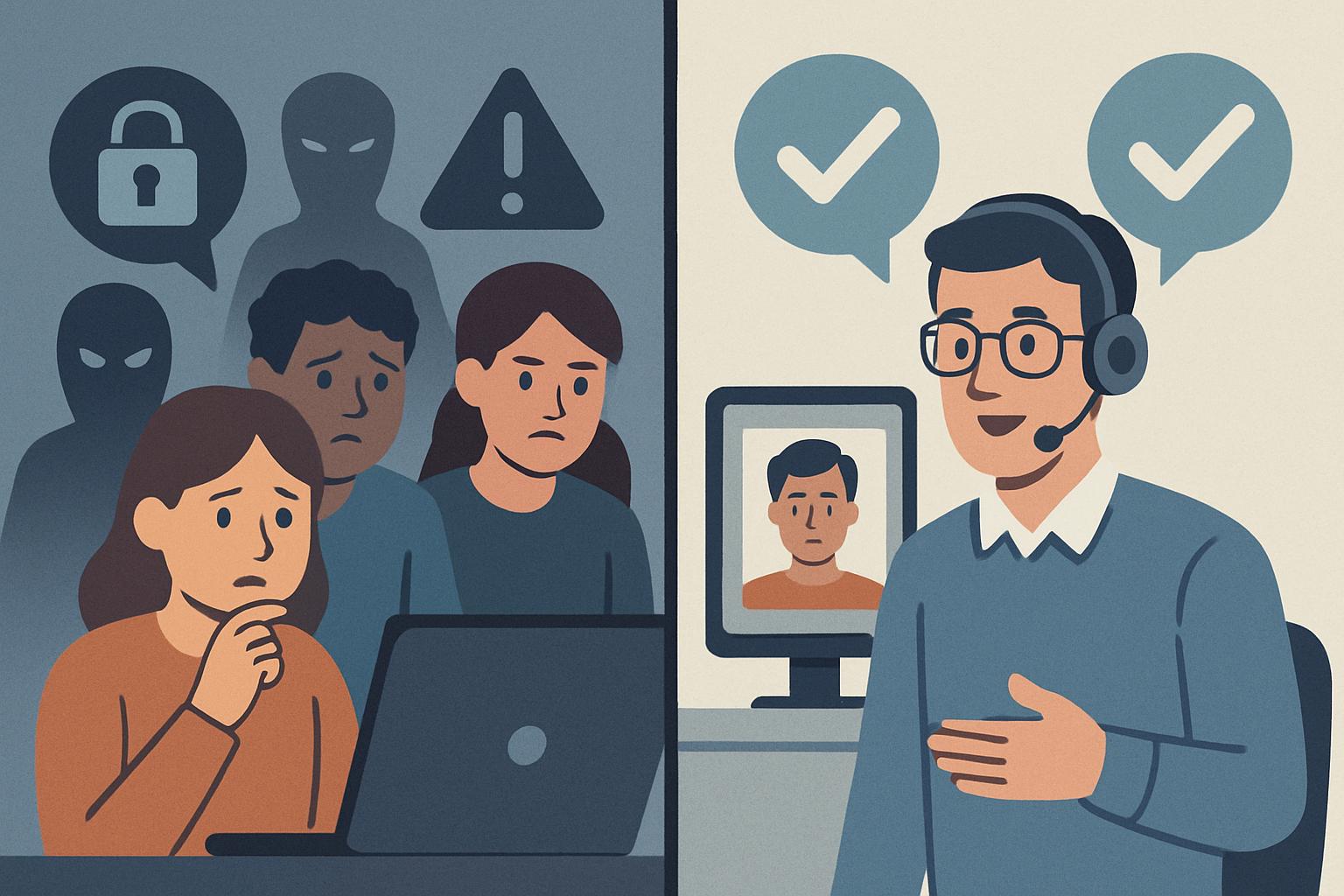
A webcam light blinks, and the exam clock starts. However, many learners immediately worry about what the camera records. Their concern centers on identity verification powered by algorithms few can inspect. Market forecasts predict billions for proctoring software, yet acceptance remains fragile. Meanwhile, universities tout seamless online assessments that respect academic integrity and convenience. Nevertheless, recent studies show privacy, bias, and technical glitches still dominate student narratives. This article unpacks fresh research, vendor dynamics, and policy debates shaping remote exam surveillance. Readers will gain actionable insights for balancing risk, trust, and educational fairness in 2025. Additionally, we spotlight practical steps institutions can take before renewing proctoring contracts. Consequently, stakeholders can foster transparent learning environments instead of adversarial testing battlegrounds.
Rising Market Growth Pressures
Moreover, the remote proctoring market is expanding at a striking pace. Insight Partners pegs 2024 revenues near US$869 million, rising to US$2.35 billion by 2031. Comparable trackers echo a mid-teens compound growth rate despite economic headwinds. This surge keeps identity verification features at the centre of vendor marketing decks. Consequently, facial matching demos now headline virtually every conference sales pitch. Meanwhile, established testing giants integrate start-up algorithms to maintain competitive parity. Institutions face mounting pressure to scale online assessments without ballooning travel or staffing costs.
The money tells a clear story of demand. However, fiscal enthusiasm often overlooks student experience, leading to potential backlash. These overlooked perspectives drive the sentiment patterns discussed next.
Student Sentiment Split Views
Recent qualitative work paints a nuanced picture of learner attitudes. In a 2025 U.S study, 64% favoured automated monitoring for sheer convenience. However, 43% simultaneously reported dissatisfaction, citing privacy and accuracy lapses. Additionally, respondents voiced uncertainty about how identity verification footage might be reused or breached. In contrast, medical students surveyed earlier flagged an 89% privacy concern rate.
- 62.1% feared invalid flags for looking away during identity verification.
- 64% ranked AI proctoring first for flexible online assessments.
- 89.6% cited webcam privacy as the top stressor with proctoring software.
Collectively, these numbers confirm diverging comfort levels across demographics and disciplines. Nevertheless, transparent communication can soften anxieties, as the 2025 Scandinavian interviews suggest. The privacy dimension deserves a closer lens in the following section.
Privacy And Legal Tensions
Room scans often feel like virtual warrantless searches, critics argue. Consequently, cases such as Ogletree challenged their constitutionality in U.S courts. European regulators also flagged biometric storage under GDPR risk categories. Identity verification data can become sensitive biometric material if templates persist beyond an exam window. Meanwhile, the ACLU warns of chilling effects on academic freedom and student mental health. Protracted litigation against Proctorio, settled in 2025, exemplifies reputational hazards for vendors.
Legal landscapes remain fluid and largely reactive. However, institutions can pre-empt disputes by adopting privacy-first procurement frameworks. Accuracy questions illustrate another layer of complexity.
Accuracy And Bias Questions
Even top algorithms misfire at non-trivial rates for certain demographics. NIST reports show higher false match rates among women and darker-skinned subjects. Therefore, students already marginalized bear disproportionate verification burdens. False positives during identity verification can trigger stress and grade appeals. Furthermore, poor lighting or head coverings exacerbate detection errors, forcing multiple retakes. Proctoring software rarely discloses actual confidence thresholds, limiting informed consent.
Bias harms undermine identity verification integrity claims. Consequently, accuracy audits and public benchmarks are essential procurement prerequisites. Institutions must translate technical nuance into practical policy next.
Institutional Policy Roadmap
Universities cannot outsource responsibility to vendors and hope for goodwill. Instead, procurement teams should map data flows before signing. Moreover, contracts must specify identity verification methods, deletion timelines, and appeal channels. Student unions, disability offices, and faculty senates deserve meaningful consultation periods. Additionally, offering alternative online assessments like oral exams or in-person centers respects diverse circumstances. Choice reduces opposition without sacrificing academic standards.
- Conduct annual audits of proctoring software accuracy and demographic impact.
- Publish plain-language guides explaining identity verification data retention.
- Enable opt-out paths for high-risk students during online assessments.
Transparent governance rebuilds student trust quickly. Nevertheless, future acceptance also hinges on forward-looking innovation. Our final section explores that horizon.
Looking Ahead For Trust
Emerging approaches aim to minimise data collection while safeguarding exam legitimacy. For example, cryptographic face hashes allow on-device matching without central storage. Meanwhile, behavioural signals like keystroke cadence avoid biometric extraction altogether. Researchers test federated identity verification that deletes images immediately after local authentication. Moreover, independent standards bodies push for open metrics and voluntary certification. Consequently, vendors embracing transparency may secure a durable competitive edge.
Privacy-preserving advances signal optimism. However, implementation speed will define whether skepticism fades or intensifies. The concluding section synthesizes practical implications.
Key Takeaways Recap Points
Student trust stands on three pillars: privacy, accuracy, and meaningful choice. Recent research confirms attitudes shift when institutions prioritize those pillars during online assessments. However, unchecked market growth can tempt shortcuts that erode confidence. Therefore, leadership should contract only vendors that publish detailed audits and permit real-time appeals. Consequently, bias errors and unnecessary surveillance drop, while learning outcomes remain safeguarded. Looking forward, privacy-preserving methods and independent benchmarking offer a sustainable course. Professionals reviewing proctoring software policies should schedule transparent stakeholder workshops this semester. Take action now: examine your next exam contract, demand clarity, and champion student-centric digital testing.
Frequently Asked Questions
- What is remote proctoring and why is its market growing?
Remote proctoring uses webcam monitoring and algorithm-based identity verification to oversee exams. Its market is expanding rapidly as institutions seek scalable, cost-effective solutions despite ongoing concerns over privacy and technical glitches. - How do identity verification algorithms function in online assessments?
These algorithms use facial matching and behavioral cues to confirm a student’s identity. However, critics note that the opaque nature of these systems can lead to misinterpretation and potential bias, affecting fairness. - What privacy challenges arise with remote exam surveillance?
Remote exam surveillance often involves room scans and biometric data capture, which raises concerns about data retention, unauthorized usage, and GDPR compliance, ultimately impacting student trust and academic freedom. - How can algorithm inaccuracies and bias affect student experiences?
Inaccurate identity verification can trigger false flags and increase stress, particularly for marginalized groups. These errors may lead to repeated monitoring and grade appeals, undermining a fair assessment environment. - What policy measures should institutions consider for proctoring software?
Institutions should ensure transparent data flows, conduct regular accuracy audits, and include clear consent and deletion terms in contracts. Engaging stakeholders like student unions helps address privacy and fairness concerns. - What alternative verification methods are emerging in remote proctoring?
Emerging methods such as cryptographic face hashes and behavioral analysis minimize data collection by performing on-device matching. These techniques offer privacy-preserving alternatives while maintaining exam integrity. - How does transparent governance improve trust in online assessments?
By adopting clear audit trails, stakeholder consultations, and plain-language privacy guides, institutions can rebuild student trust. Transparent governance reduces bias errors and reinforces the commitment to academic fairness.