Cheating scandals move faster than campus policies. Hybrid programs now administer finals from dorm rooms and dining tables. Consequently, many institutions adopt ai based remote proctoring to secure those dispersed exam sessions.
However, students push back, citing intrusive webcams and biased algorithms. Balancing privacy with integrity defines the next assessment battleground. Understanding the benefits of ai proctoring for universities, while respecting legal limits, demands clear strategy. This article unpacks current risks, regulations, and proven safeguards.
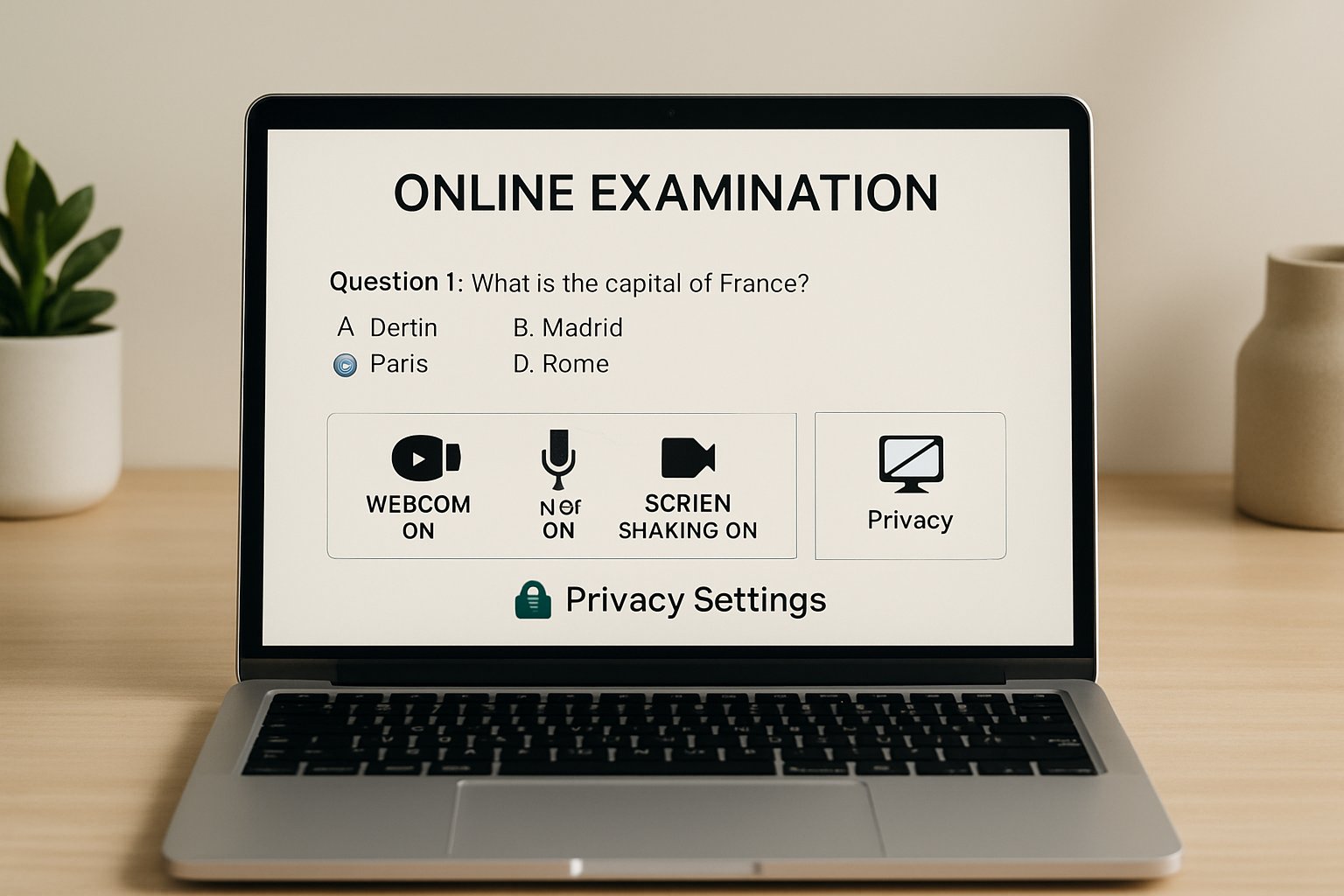
AI Based Remote Proctoring
At its core, ai based remote proctoring records webcam, microphone, screen, and keystroke data. Algorithms flag gaze deviation, extra faces, or suspicious window switching for later human review.
Market Growth Signals Strong
ResearchAndMarkets projects sustained double-digit growth as credentials migrate online and corporate L&D budgets expand. Consequently, vendors investing in ai based remote proctoring tout flexible settings and lower false positives.
- Over 1,500 universities now license automated proctoring suites.
- Vendors claim more than 50 million exams monitored since 2020.
- Scalability cuts per-exam supervision costs by up to 60%.
In short, demand shows little sign of slowing. Consequently, privacy governance must mature just as quickly.
Privacy Risks Spotlighted Today
The Ogletree ruling declared mandatory room scans unconstitutional, galvanizing privacy advocates. Similarly, investigations show some face recognition engines misflag students of color at double the average rate.
Furthermore, constant recording captures family members and sensitive belongings, creating significant data-protection obligations.
Student Trust Building Steps
When ai based remote proctoring is explained clearly, student resentment drops. Universities can publish clear FAQs, run live onboarding sessions, and let students test the system early. Moreover, open communication lowers anxiety and reduces support tickets.
These findings erode trust and invite litigation. Thus, universities need sharper risk controls before the next term begins.
Regulatory Landscape Tightens Globally
Meanwhile, the EU AI Act labels automated proctoring as high-risk, triggering strict conformity assessments. US campuses still follow FERPA, yet new state privacy laws add retention and notice requirements.
Therefore, any ai based remote proctoring rollout now demands a Data Protection Impact Assessment and transparent student notices.
Ignoring these obligations increases fines, reputational damage, and contract delays. Hence, compliance planning must precede technical deployment.
Mitigation Best Practice Checklist
Experts recommend starting with necessity analysis before selecting any monitoring feature.
- Limit recordings to exam screen and face; avoid 360° room scans.
- Keep retention under 30 days unless investigations require longer.
- Validate algorithms across the institution’s demographic mix and publish results.
- Provide alternative assessment modes for students with disabilities.
- Ensure every AI flag receives rapid human review and an appeal path.
Implementing these steps delivers tangible benefits of ai proctoring for universities while showing respect for student autonomy.
Careful design reduces bias and legal exposure. Consequently, institutional trust rebounds.
Future Outlook And Actions
In contrast to early pandemic panic, the sector now prioritizes proportionality over pure surveillance. Subsequently, we expect edge processing, background redaction, and open algorithms to dominate next-generation platforms.
Those improvements promise fresh benefits of ai proctoring for universities without compromising dignity.
Still, technology alone cannot settle the debate. Therefore, policy dialogue must continue.
Conclusion
ai based remote proctoring will remain part of digital assessment, yet privacy-first design is now essential. Institutions that embrace transparent policies, rigorous testing, and student choice will safeguard integrity and trust.
Why Proctor365? Our platform delivers ai based remote proctoring with advanced identity verification, scalable exam monitoring, and human review trusted by global exam bodies. Experience seamless security today at Proctor365.
Frequently Asked Questions
- What is AI based remote proctoring and how does it ensure exam integrity?
AI based remote proctoring employs advanced algorithms to monitor exams via webcam, microphone, and screen activity. Proctor365 leverages fraud prevention and identity verification to secure exam integrity while ensuring privacy and compliance. - How does Proctor365 build student trust in remote proctoring?
Proctor365 builds student trust by providing clear guidelines, live onboarding sessions, and transparent privacy policies. This balanced approach reassures students that strong exam security does not compromise their privacy. - What privacy measures are implemented in AI proctoring solutions?
Proctor365 implements strict privacy measures by limiting recordings to essential exam activities and maintaining robust data retention policies. Validated algorithms help prevent bias, ensuring compliance with FERPA and international data protection laws. - How does Proctor365 address regulatory compliance in remote proctoring?
Proctor365 meets regulatory requirements by performing thorough Data Protection Impact Assessments and offering transparent student notifications. This proactive compliance strategy adheres to FERPA and global privacy laws while ensuring secure exam monitoring.