Hiring and upskilling now happen everywhere, not just inside headquarters. Consequently, organizations need an online examination system that handles scale, security, and fairness. Market analysts predict assessment services will triple in value before 2032. Moreover, hybrid workforces push talent teams toward remote, data-rich testing experiences. Vendors respond with AI scoring, integrated proctoring, and effortless integrations to ATS or LMS stacks. However, new regulations warn employers about bias, biometric privacy, and accessibility gaps. Universities, certification bodies, and corporate L&D leaders must balance opportunity with compliance. This article unpacks the corporate testing landscape and outlines practical guardrails for trustworthy deployment. Examples, statistics, and expert guidance appear throughout. Read on to learn how secure assessment builds stronger, fairer talent pipelines.
Online Examination System Value
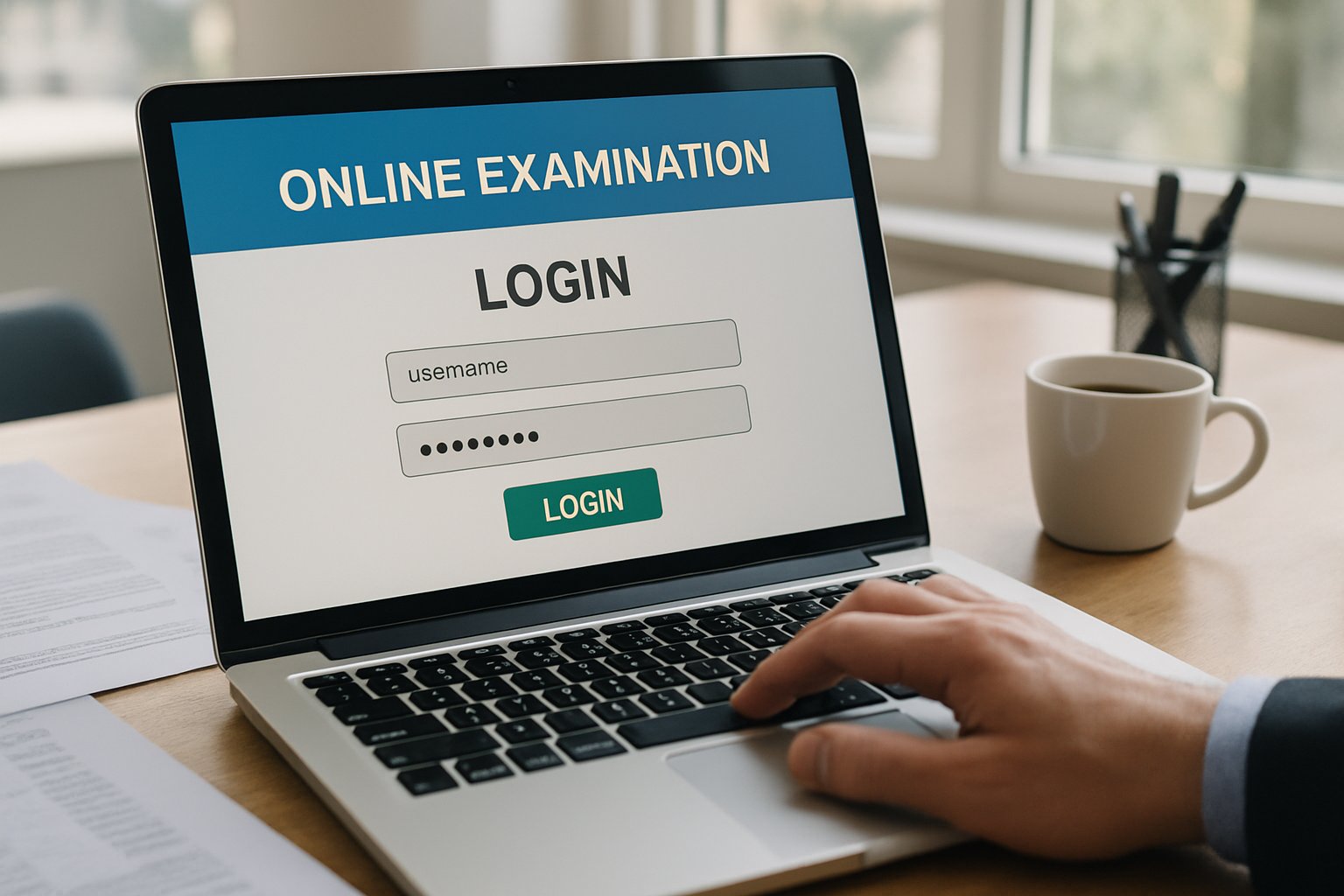
An online examination system anchors modern assessment workflows for recruiters and trainers. It centralizes test creation, delivery, and analytics across every learning or hiring program. Furthermore, unified dashboards let managers compare campus cohorts against experienced hires within minutes. Such visibility shortens decision cycles and reduces unconscious resume bias. Selecting the right online examination platform therefore becomes a strategic priority.
Key Market Growth Statistics
- Credence Research projects USD 24.6B assessment spend by 2032, CAGR 12.6%.
- Mercer Mettl counts 32M remote proctored test sessions to date.
- Several vendors market 95% AI flagging accuracy, yet public audits remain limited.
- EU, US, and APAC regulators label many HR AI tools as high-risk systems.
These numbers confirm explosive adoption across sectors. Consequently, decision makers must prioritize robust controls early.
Corporate Market Growth Drivers
Multiple forces fuel demand for every corporate testing platform. Firstly, hybrid recruitment demands scalable, location-agnostic assessments. Secondly, skills-first hiring strategies depend on objective, psychometrically validated tasks. Moreover, CFOs welcome the cost reduction delivered by automated scoring versus travel-heavy assessment centers.
An online examination platform integrates easily with ATS, LMS, and HRIS stacks, streamlining data flow. Therefore, recruiters gain real-time dashboards that rank candidates by competence, not vanity metrics. That shift shortens time-to-hire and improves retention. Companies using online exam software report recruiter hours saved and candidate satisfaction gains. An online examination system also eliminates email-based test sharing risks.
Efficient, data-driven assessment now differentiates winning employers. Next, we explore the security bedrock that protects these gains.
Essential Security Integrity Measures
Security sits at the core of any corporate testing platform deployment. Organizations deploy locked browsers, screen capture, and multi-factor ID verification to prevent cheating. Additionally, AI monitors microphones and webcams for voice prompts or secondary devices. However, human review still validates all high-stakes flags to avoid false positives.
A mature online exam management system logs every action, encrypts recordings, and stores them in SOC-2 clouds. Moreover, tamper-evident audit trails help legal teams defend assessment outcomes if challenged. These layers maintain the integrity that regulators and universities demand. Layered security ensures credible scoring for secure online exams.
Yet privacy obligations require equal attention, as the next section shows.
Emerging Privacy Legal Pressures
Camera, audio, and biometric data trigger strict GDPR and BIPA compliance duties. Meanwhile, the EU AI Act classifies proctoring AI as high-risk, demanding transparency and bias audits. Consequently, every online examination system vendor must provide clear data retention and transfer explanations. Proactive employers conduct Data Protection Impact Assessments and offer webcam-free accommodations where reasonable.
Practical Regulation Compliance Checklist
- Publish privacy notices describing collected media and retention timelines.
- Seek explicit consent or validated legal bases for biometric processing.
- Enable disabled candidates to request alternative assessment formats.
- Audit AI models annually for disparate impact across demographics.
Strong privacy practice protects candidates and brand alike. However, bias and accessibility still threaten fairness.
Bias And Accessibility Risks
Automated facial or speech analysis can misinterpret deaf or darker-skinned candidates. The 2025 ACLU complaint against HireVue illustrates growing legal exposure. Moreover, neurodivergent test-takers may struggle with strict gaze monitoring expectations. Employers mitigate these issues by disabling unreliable features and validating models with diverse samples.
An online examination platform should include human review overrides, appeal workflows, and WCAG-aligned interface design. Furthermore, timed sections require reasonable adjustments to avoid indirect discrimination. A centralized online exam management system also simplifies accommodation logging and follow-up.
Inclusive design broadens legitimate talent pools. Next, we highlight frameworks for operationalizing these safeguards.
Proven Best Practice Frameworks
Experts recommend merging psychometric validation with ISO 27001 security processes. Additionally, I-O psychologists should confirm predictive validity before live rollout. Without a validated online examination system, even great questions fail to protect hiring decisions. A structured online exam management system automates version control, randomization, and scoring key rotation. Consequently, question banks stay fresh, and leaked items become useless to cheaters.
Advanced Proctoring Technology Stack
Leading corporate testing platform vendors assemble micro-services that plug into existing HR cloud ecosystems. Typical stack components include identity services, proctor gateways, analytics engines, and developer APIs.
- Identity verification: OCR, selfie, government ID match.
- Session monitoring: dual-camera feed, keystroke analytics.
- Content protection: secure browser, clipboard lockdown.
- Reporting: real-time risk scoring dashboards.
Reliable online exam software must publish uptime dashboards for enterprise buyers. These frameworks convert policy into consistent daily practice. Finally, let us glance at future trends shaping the landscape.
Future Platform Roadmap Trends
Vendors now sunset emotion detection and invest in explainable AI dashboards. Moreover, secure online exams will soon leverage federated learning to protect raw candidate data. Edge devices will locally process video, sending only metadata for central review. In contrast, blockchain timestamping promises tamper-proof audit chains.
An adaptive online exam software module will personalize difficulty, improving engagement while preserving comparability. Tomorrow’s corporate testing platform must also integrate generative AI content defenses. Ultimately, each online examination system will converge toward open standards and real-time bias dashboards.
Roadmap innovations prioritize privacy, transparency, and resilience.
Conclusion
Secure talent assessment demands more than slick interfaces. Organizations must align market growth ambitions with rigorous security, privacy, and inclusion standards. Throughout this guide, we showed how an online examination system scales without sacrificing integrity. Key takeaways include layered proctoring, bias audits, and transparent data practices. Why choose Proctor365? Our AI-powered proctoring, advanced identity checks, and scalable monitoring safeguard secure online exams worldwide. Moreover, universities, certification providers, and enterprises trust our platform to uphold exam integrity every day. Visit Proctor365 to safeguard every assessment today.
Frequently Asked Questions
- How does an online examination system maintain exam integrity?
It uses layered security measures—locked browsers, AI proctoring, multi-factor authentication, and tamper-evident audit trails—to ensure exam integrity and fairness while meeting compliance standards. - How does Proctor365 ensure privacy and security for remote test-takers?
Proctor365 employs AI-powered proctoring, biometric checks, encrypted data storage, and regular bias audits to protect candidate privacy and secure results, ensuring compliance with global standards. - What role does AI proctoring play in modern online assessments?
AI proctoring automates monitoring by flagging suspicious behavior in real-time, while human oversight confirms alerts, ensuring efficient fraud prevention and fair candidate evaluation.