Cameras watch, browsers lock, and algorithms judge—yet few know what happens behind that curtain.
AI based remote proctoring sits at the center of this invisible exam surveillance network.
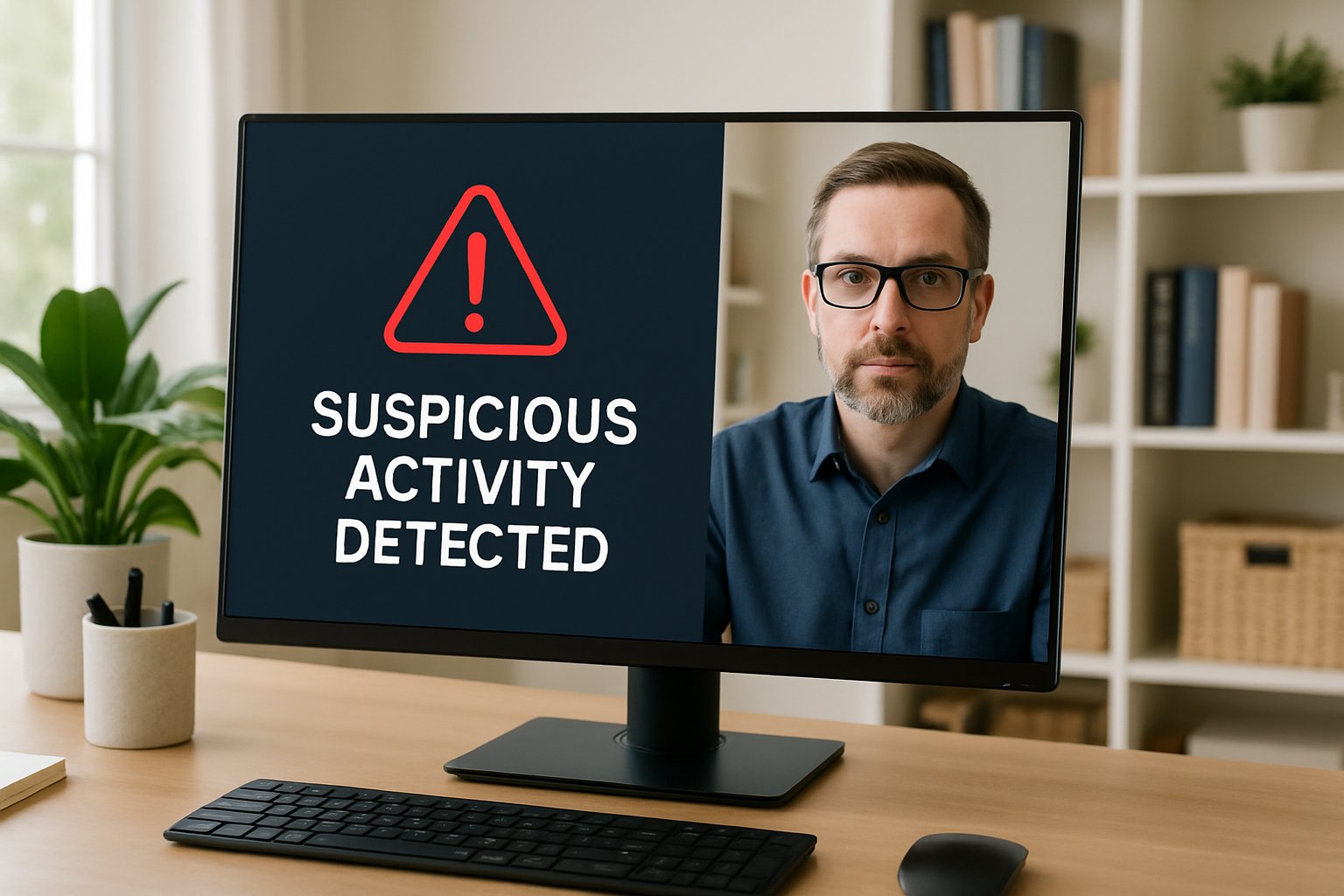
Universities, certification boards, and corporate trainers depend on it after the pandemic moved testing online.
However, accuracy, fairness, and regulatory scrutiny now dominate boardroom conversations.
Understanding the technology helps decision makers set realistic expectations and strong governance.
This article opens the black box and tracks every critical component.
Along the way, we answer what is ai based proctoring in exams for busy leaders.
Moreover, we map current market numbers, legal shifts, and real-world failure modes.
Consequently, readers gain concrete steps for safer, student-centered deployments.
Let us start with a precise definition before diving deeper.
AI Based Remote Proctoring
First, we define the term many ask about: what is ai based proctoring in exams.
It refers to software that records video, audio, screens, and system events during an assessment.
Algorithms analyze these streams in real time and flag potential misconduct.
However, flagged sessions usually undergo human review before institutions decide on penalties.
This hybrid model promises scale while keeping accountability.
In short, the system watches, scores, and escalates.
Next, we break down each technical layer.
Detection Pipeline Explained Clearly
AI based remote proctoring relies on four synchronized input channels.
Webcam video supports face detection, gaze tracking, and object spotting.
Screen recording captures tab switches, copy actions, or unexpected overlays.
Microphone streams feed voice-activity detection that highlights extra speakers or whispered coaching.
Meanwhile, a lockdown browser tracks running processes and blocks remote desktops.
The system converts every event into numeric flags, then aggregates them into a suspicion score.
Consequently, proctors see a ranked queue instead of thousands of raw recordings.
This pipeline transforms messy sensor data into actionable alerts.
However, market forces also shape adoption, which we review next.
Market Growth Snapshot Today
Market analysts disagree on exact numbers, yet growth is undeniable.
ResearchAndMarkets projects the online proctoring segment to reach US$1.99 billion by 2029, rising 16% annually.
DIResearch suggests a more modest US$1.6 billion by 2033, with CAGR near 9%.
Moreover, venture reports show heavy investment in computer-vision upgrades and hybrid review workflows.
Consequently, ai based remote proctoring vendors race to claim higher accuracy and faster turnaround.
Money keeps flowing despite methodological gaps in estimates.
Regulation, however, may slow the sprint, as the next section shows.
Recent Regulatory Shifts Worldwide
The EU Artificial Intelligence Act classifies student-monitoring systems as high-risk starting in 2026.
Therefore, vendors must document risk management, ensure human oversight, and file compliance logs.
Meanwhile, U.S. civil-rights groups use privacy laws like BIPA to sue institutions over biometric collection.
Canada faces similar challenges, with several provincial watchdogs drafting guidance on informed consent.
Consequently, ai based remote proctoring buyers now demand clear data-retention limits and bias audits.
Compliance costs will rise and shape feature roadmaps.
Next, we inspect technical accuracy and fairness.
Accuracy And Fairness Challenges
Independent researchers from University of Twente staged cheating and recorded zero algorithmic flags.
Therefore, false negatives remain a critical weakness.
On the flip side, NIST’s FRVT benchmark shows higher false alarms for darker-skinned faces.
Moreover, low-bandwidth connections can blur video, raising flag rates for rural learners.
Critics ask again: what is ai based proctoring in exams doing to student equity?
Consequently, some institutions pair algorithms with culturally responsive human reviewers to lower disparities.
Technical limits can undermine fairness and legitimacy.
Hence, balanced risk-benefit analysis remains vital, as our next list demonstrates.
Pros And Cons Balanced
Stakeholders often weigh purported deterrence against possible harm.
Below, we summarize headline arguments from vendors and critics.
- Pro: Scales assessments to thousands without hiring more invigilators.
- Pro: Creates recorded audit trails for dispute resolution.
- Con: University of Twente study found placebo-level detection.
- Con: NIST reported demographic error gaps in facial algorithms.
- Con: EPIC cites privacy, bias, and legal exposure under BIPA.
Consequently, boards routinely revisit the question: what is ai based proctoring in exams truly protecting?
Balanced governance policies can tip the scales toward net benefit.
Lists reveal trade-offs that deserve transparent debate.
Implementation guidance follows immediately.
Implementation Best Practice Steps
Start with a small pilot using diverse devices and controlled cheat scenarios.
Secondly, define sensitivity thresholds and retention periods in a documented policy.
Moreover, train reviewers to override algorithmic flags when context warrants.
Finally, publish audit results and accept student feedback loops.
These steps answer critics asking what is ai based proctoring in exams doing for accountability.
Methodical rollouts reduce surprises and build trust.
The concluding section ties all findings together.
Conclusion And Next Steps
AI based remote proctoring will keep evolving, yet its core promise remains integrity at scale.
Consequently, decision makers must pair technology with clear policies and ongoing audits.
Institutions that do so deploy ai based remote proctoring responsibly and win student trust.
Why Proctor365? Our ai based remote proctoring couples multi-modal detection with advanced identity verification.
Moreover, scalable cloud architecture monitors thousands of sessions without lag.
Trusted by universities and global exam boards, Proctor365 slashes review times and false alarms.
Visit Proctor365 to secure upcoming assessments now.
Frequently Asked Questions
- What is AI based remote proctoring?
AI based remote proctoring uses multi-modal sensors like cameras, microphones, and screen recordings to detect suspicious behavior. Proctor365 couples this with advanced identity verification and human review for enhanced exam integrity. - How does AI proctoring maintain exam integrity and fairness?
By detecting suspicious behavior via cameras, browsers, and audio, AI proctoring upholds exam integrity. Combining algorithmic flags with human reviews ensures fairness and compliance, a balance achieved by Proctor365’s system. - What regulatory challenges affect AI based proctoring?
Regulations like the EU AI Act and privacy laws such as BIPA require transparent data retention and human oversight. These challenges drive vendors, including Proctor365, to enhance fraud prevention and refine review protocols. - What best practices improve automated exam monitoring?
Adopting small pilot programs, clear sensitivity thresholds, and well-trained reviewers can improve monitoring. Transparent audit trails and student feedback further refine AI proctoring, ensuring robust exam integrity with Proctor365.