Higher education and certification markets rely on online test monitoring to protect exam integrity. Yet privacy watchdogs, new biometrics rules, and student protests amplify risk. Stakeholders now demand proof that platforms stay secure, fair, and compliant.
This article offers a security audit checklist built for buyers of remotely proctored exam solutions. It distills recent NIST drafts, EU rulings, and EDUCAUSE guidance into practical steps. Use it to ask tough questions before signing any contract.
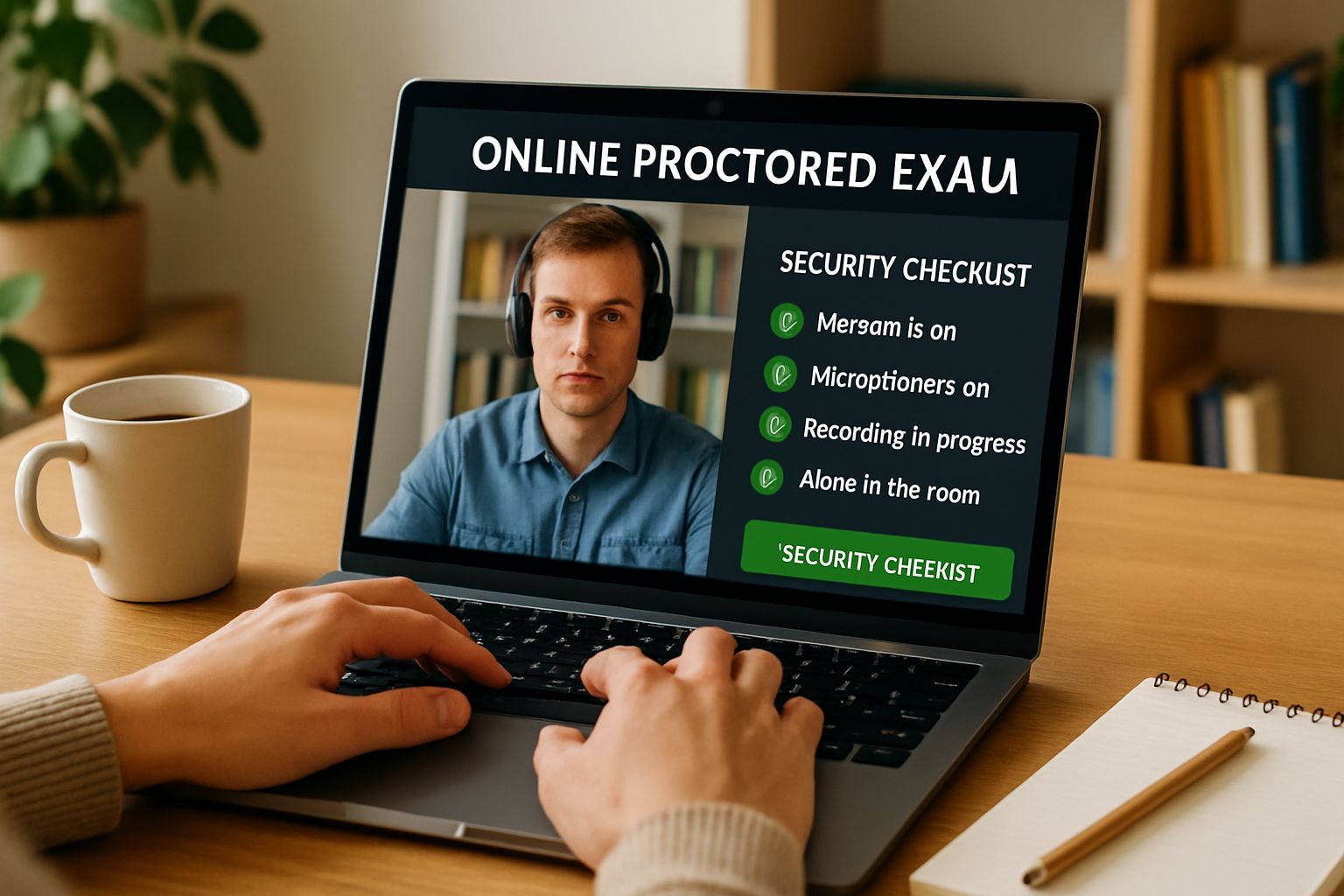
We also spotlight key market numbers and bias concerns shaping the conversation. Finally, we map operational metrics that verify ongoing vigilance. Let us start with the regulatory headwinds.
Regulatory Landscape Rapidly Shifts
NIST’s August 2024 draft tightens biometric safeguards and stresses liveness detection alternatives. Meanwhile, Spain’s AEPD ruled in 2025 that mandatory facial recognition lacks lawful basis under GDPR.
Privacy NGOs press vendors for algorithmic transparency and data minimization. Consequently, institutions must map each biometric field to a defensible legal ground. Failure invites fines and reputational damage.
Regulators now expect explicit consent, alternatives, and documented risk assessments. Align early to avoid surprise enforcement.
We next examine market drivers reinforcing these demands.
High Stakes Market Numbers
Market reports peg global proctoring revenue near one billion dollars in 2024 with 15-25% growth ahead. EDUCAUSE research found about 60% of North American colleges reference proctoring services.
However, student surveys reveal high discomfort and racial bias risks for automated facial analysis. Institutions cannot ignore these numbers when budgeting for a remotely proctored exam rollout.
Revenue may soar yet liability may follow. Balanced investment demands clear audit evidence.
That evidence comes from a structured checklist.
Online Test Monitoring Checklist
The following control families frame a rapid but thorough review. Auditors should rate online test monitoring against governance, data, and AI fairness.
Begin with contracts, DPAs, and proof of a named CISO. Then inspect data inventories that classify biometric templates as special category information.
- Governance and legal alignment.
- Identity proofing and liveness.
- AI bias testing and appeals.
- Encryption and retention limits.
- Incident response and uptime.
Without tight controls, online test monitoring can expose institutions to GDPR fines and student backlash. Proactive vendors treat online test monitoring as a continuous security program, not a one-off.
Identity Proofing Key Controls
Verify photo ID match, liveness detection, and fallback methods for accessibility. Request vendor reports that follow NIST alignment and show spoofing resistance.
During a pilot remotely proctored exam, test uninstall scripts to ensure no background agents linger.
Strong identity controls block impersonation and deepfakes. They also support legal defensibility moving forward.
Next, check AI fairness rigor.
AI Fairness Verification Steps
Request model cards showing false positive rates by gender and skin tone. Moreover, demand human-in-the-loop review with documented overrides.
Ask for an appeals workflow and statistics on overturned flags during each remotely proctored exam cycle.
Fairness metrics expose hidden bias early. Transparent numbers inspire stakeholder confidence.
We still need airtight data protection.
Data Protection Best Practices
Confirm TLS 1.3 in transit and AES-256 at rest with keys held in HSM zones. Consequently, mandate automated deletion after retention periods and region locking for EU citizens.
Encryption and deletion shrink breach blast radius. Region controls satisfy cross-border rules.
Finally, track live operational health.
Operational Metrics That Matter
Institutions should monitor uptime above 99.9% during high-stakes windows. They must also review mean time to remediate critical vulnerabilities under 90 days.
Track false positive rates and reviewer override percentages by cohort. Therefore, you can show continuous improvement to governing boards.
Metrics transform checkbox audits into living programs. Consistent tracking sustains trust.
We close with practical next steps and a trusted partner.
Conclusion
Strong online test monitoring demands tested contracts, fair AI, and ironclad data protection. Following this checklist equips universities, ed-tech firms, and corporate L&D teams to defend integrity and reputation.
Why Proctor365? Our AI-powered platform delivers advanced identity verification, scalable exam monitoring, and analytics trusted by global exam bodies. Choose Proctor365 for online test monitoring you can trust, and protect every remotely proctored exam with confidence. Book a demo now at Proctor365.ai.
Frequently Asked Questions
- How does Proctor365 safeguard exam integrity and ensure regulatory compliance?
Proctor365 uses AI proctoring with advanced identity verification, liveness detection, and fraud prevention measures to maintain exam integrity while aligning with NIST, GDPR, and other compliance requirements. - What identity verification features does Proctor365 offer?
Proctor365 integrates robust identity checks including photo ID matching, liveness detection, and fallback accessibility options to prevent impersonation and deepfakes, ensuring secure and reliable exam monitoring. - How does Proctor365 address AI fairness and minimize bias?
The platform employs AI fairness measures by testing for bias through model cards, monitoring false positive rates by gender and skin tone, and including human-in-the-loop reviews to ensure transparent and equitable exam processes. - What data protection measures are incorporated in Proctor365?
Proctor365 secures data using TLS 1.3 for transit and AES-256 for storage, with automated deletion policies and region-specific controls, ensuring robust data protection and compliance with international privacy regulations.