Web-enabled learning has exploded, yet exam integrity still worries administrators. A proctored online test bridges that trust gap. The humble webcam sits at the center of this security stack. It verifies who is present and how they behave.
However, webcams bring new responsibilities for universities, ed-tech leaders, and certification boards. This article explains why the lens matters, where risks hide, and how policy mitigates concerns. Moreover, you will see fresh market data, student impact research, and actionable checklists. Consequently, decision makers can balance security, privacy, and fairness when designing future assessments. Meanwhile, students gain clarity on what the camera captures and why.
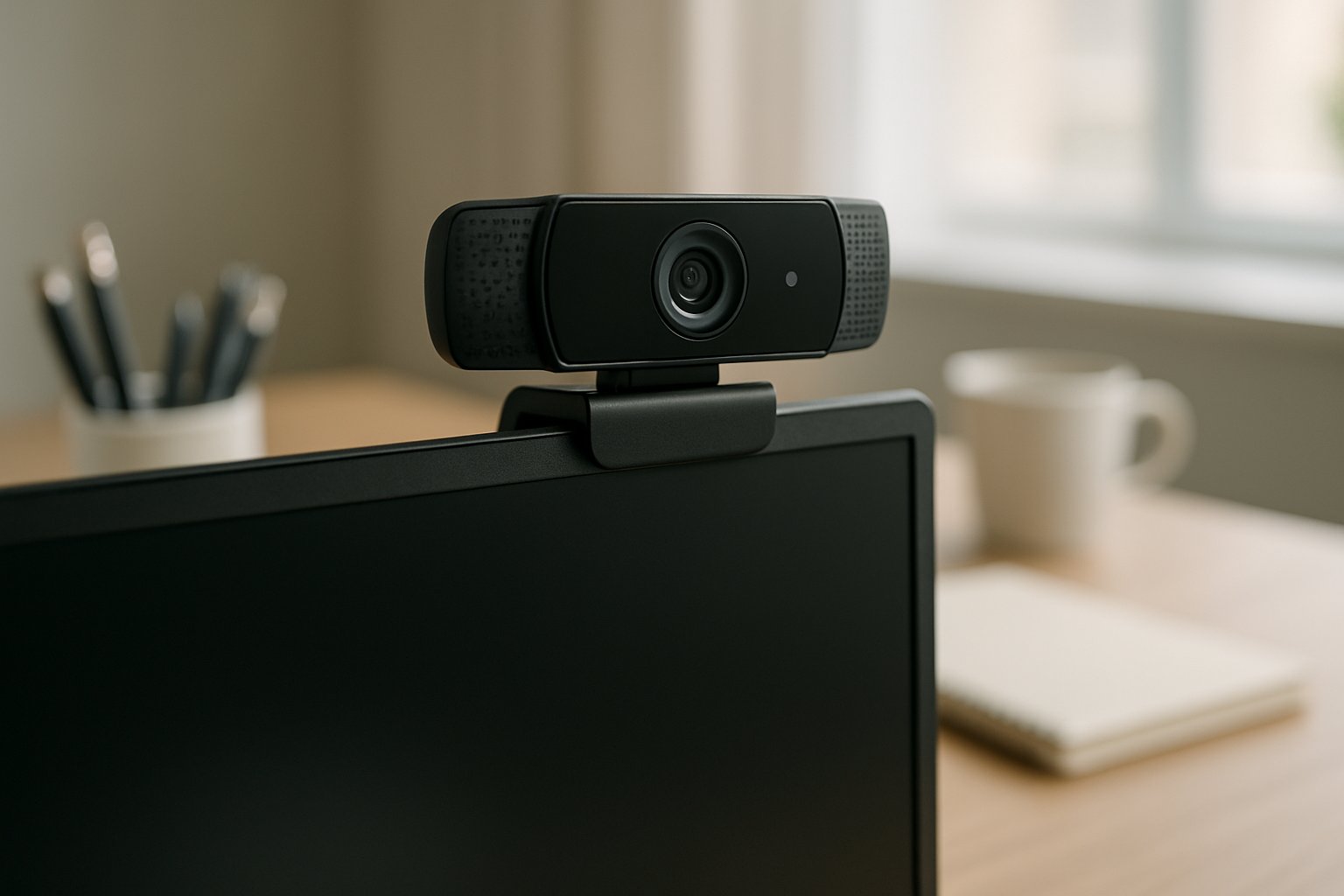
Securing Proctored Online Test
Firstly, the webcam collects three critical data streams: identity, behavior, and environment. Together, these streams deter quick cheat attempts and provide evidence for post-exam reviews.
Furthermore, AI overlays detect gaze shifts, additional faces, and device reflections within milliseconds. Human proctors then confirm alerts, keeping fairness high.
- Immediate identity confirmation.
- Continuous presence verification.
- Visual deterrence that reduces incidents.
- Timestamps that support academic appeals.
This section showed why webcams anchor integrity efforts. Consequently, later sections dive deeper into each function.
Robust Identity Checks Explained
During exam launch, the system captures the candidate’s ID and live face frame. Many vendors compare still images to registration data within seconds.
Moreover, hybrid AI+human workflows reduce spoofing by asking head turns or spoken phrases. The approach keeps the start of a proctored online test smooth yet secure.
However, false rejections remain possible, especially with poor lighting or diverse skin tones. Institutions must therefore publish retry options and support contacts.
Strong identity gates stop impersonation before questions appear. Next, we examine ongoing surveillance.
Continuous Behavior Monitoring Value
Once the clock starts, algorithms watch head pose, eye direction, and idle time. Additionally, speech detection flags whispered coaching.
Screen recordings sync with webcam feeds, creating a multi-modal audit trail. Consequently, instructors can review suspicious clicks alongside visual cues.
Early studies in online exam proctoring show AI flag precision above 90% in lab settings, yet real environments lower accuracy. Without live visuals, a proctored online test would rely solely on desktop telemetry.
Behavior analysis catches mid-exam collusion attempts. Subsequently, attention shifts to the test-taker’s workspace.
Room Scan Best Practices
A 360-degree room scan asks learners to show their desk, walls, and ceiling. This step blocks hidden notes and off-camera helpers.
Nevertheless, the Ogletree ruling warned that mandatory scans may violate privacy without alternatives. Therefore, policy writers should offer centers or on-campus seating when needed.
- Explain scan purpose in simple language.
- Limit recording retention to legal minimums.
- Allow rescan when lighting changes.
- Provide opt-out routes with accommodations.
For a high-stakes proctored online test, the room scan often becomes non-negotiable. Clear guidelines balance visibility with dignity. Meanwhile, broader risk management demands holistic action.
Managing Risks And Equity
Remote surveillance can amplify stress, bias, and technical exclusion. Studies link webcam proctoring to elevated anxiety among science majors.
In contrast, researchers have documented higher false flags for darker skin tones and some female groups. Vendors now publish fairness audits, but independent reviews remain scarce.
Thus, any online exam proctoring policy needs data minimization, accessibility options, and open appeals. Equity concerns can erode trust in a proctored online test if ignored.
Practical Mitigation Action Checklist
- Create transparent data retention tables.
- Run annual demographic performance audits.
- Offer alternative test venues or formats.
- Train proctors to override AI errors.
Mitigations turn controversies into manageable tasks. Consequently, leaders can focus on scale and innovation.
Industry Growth And Trends
Market Research Future forecasts multi-billion revenue for online exam proctoring tools by 2026. CAGR estimates hover near 20%.
Furthermore, over half of U.S. universities still deploy some proctoring, according to EDUCAUSE polls. Vendors refine workflows so every proctored online test feels less intrusive.
- 2024 market value: ~USD 700 million.
- Projected 2030 value: USD 3-5 billion.
- Hybrid AI-human models cited by 80% of vendors.
Growth continues despite debate around webcams. Finally, we review takeaways and how Proctor365 elevates trust.
Conclusion: Webcams deliver identity assurance, behavioral analytics, and environmental visibility. When paired with clear policies, they transform a proctored online test into a fair and trusted experience. Choose Proctor365 to power your next proctored online test. Our AI-powered platform offers advanced identity verification, scalable monitoring, and human-backed reviews trusted by global exam bodies. Therefore, visit Proctor365.ai today and elevate exam integrity.
Frequently Asked Questions
- How does Proctor365 ensure exam integrity during a proctored online test?
Proctor365 uses AI proctoring combined with real-time identity verification via webcams. The system monitors behavior, environment, and identity to deter fraud and ensure exam integrity and fairness throughout the test. - What measures does Proctor365 use to prevent fraud during online exams?
Proctor365 employs a hybrid AI-human approach that flags suspicious behavior, uses room scans, and verifies identity. This multi-modal auditing prevents fraud and upholds the credibility of online exams. - How does continuous behavior monitoring enhance exam security?
Continuous behavior monitoring uses AI to track head movements, eye direction, and idle time. This proactive surveillance detects potential cheating attempts while supporting human review for a secure exam environment. - Why is transparent identity verification crucial in online exam proctoring?
Transparent identity verification with live image capture and AI analysis prevents impersonation and fraud. By confirming a candidate’s true identity early, Proctor365 builds trust and safeguards exam integrity.