Remote learning changed testing forever. However, many learners say the trade-offs feel steep. Today, online assessments often bundle webcams, microphones, and lockdown browsers that peer deep into private spaces. Moreover, institutions rely on automated flags that mark tiny behaviors as possible cheating. Consequently, anxiety, legal battles, and policy reviews are mounting. This article unpacks the technology, the human impact, and the market forces behind the current debate.
Surveillance Tech Expands Reach
AI proctoring has moved rapidly from pilot to mainstream. EDUCAUSE polling shows more than half of universities adopted some flavor of remote proctoring during the pandemic. Furthermore, vendors now promote multi-camera room scans and phone-as-camera workflows. Each new capability widens the surveillance footprint and captures more sensitive data.
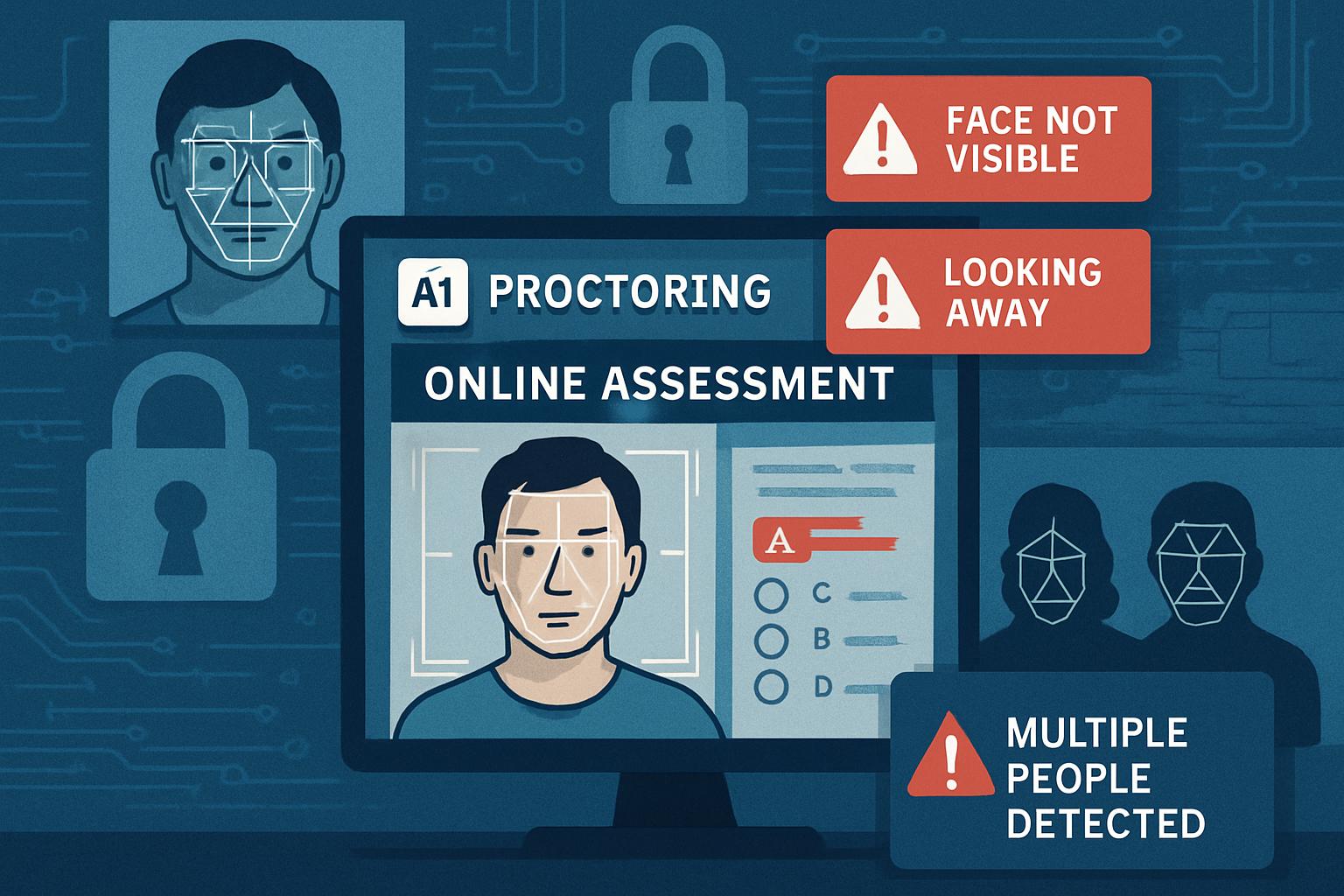
One selling point remains rigorous identity verification. Vendors compare ID photos to live images while logging device metadata. In theory, these checks deter impersonation. In practice, they require students to share passports, driver licenses, and face biometrics with third-party clouds. Consequently, critics argue the process is disproportionate to exam stakes.
Data Collected During Exams
Proctoring firms publicly list dozens of captured fields:
- Continuous webcam video and microphone audio
- Full-screen recording and URL logging
- IP address, CPU model, and monitor count
- Facial imagery for identity verification
- Derived behavioral scores indicating “suspicion”
Additionally, many platforms integrate with an online exam maker, pulling roster details and grade books into the same data stream. These practices raise questions about data minimization. Nevertheless, vendors claim encryption and limited retention mitigate risk.
These extensive captures reveal private surroundings. Students must decide between testing or protecting their personal space. However, the surveillance march continues.
Device Control Security Risks
LockDown browsers restrict copy-paste, screen sharing, and other apps. Moreover, some installers request kernel-level permissions, frightening infosec professionals. A 2025 California bar exam rollout saw crashes that derailed entire sessions. Consequently, candidates filed suit, alleging negligent software design.
Meanwhile, integration between the LockDown client and the online exam maker means a single breach could expose both credentials and grades. In contrast, privacy-first vendors tout browser-only models that promise fewer attack surfaces.
Heavy device control may deter cheating. Nevertheless, it also fuels perceptions of spyware. These concerns feed the next layer of student stress.
Extensive surveillance and invasive permissions dominate this stage. Yet the psychological toll may be even higher. Subsequently, we turn to the human cost.
Student Anxiety Intensifies Online
Research in the International Journal for Educational Integrity found that many test-takers report racing hearts, sweating, and panic when proctoring begins. Moreover, they worry about false flags they cannot challenge. A random background noise or a glance away from the screen might trigger AI suspicion.
Students with disabilities face compounded risks. For instance, neurodivergent learners may stim or look away to concentrate, behaviors often misinterpreted by algorithms. Additionally, screen readers or eye-tracking tools can conflict with lockdown software, blocking approved accommodations.
High-stakes online assessments amplify these fears. A single red flag can delay licensure or graduation. Consequently, some students purposely underperform to avoid suspicious movements. Others search for alternative testing centers that still offer human invigilation.
Fear, stress, and performance drops define this phase. However, the conversation must also address systemic fairness. Therefore, equity enters the spotlight next.
Equity And Bias Debates
Facial detection algorithms struggle under uneven lighting or with darker skin tones. Furthermore, low-bandwidth homes cause pixelation that triggers absence alerts. Consequently, marginalized communities carry higher risks of wrongful accusations.
Advocacy groups like EPIC and EFF highlight these disparities in filings and press releases. Additionally, they note that identity verification may fail for transgender students whose legal ID does not match presentation. The algorithmic gap widens when students rely on shared housing or public hotspots.
Meanwhile, the typical online exam maker offers limited customization for accessibility. Institutions can toggle extra time but cannot retrain vision models for inclusive gaze patterns. Therefore, structural bias persists.
These inequities erode trust in online assessments. Nevertheless, proctoring remains lucrative. Consequently, the market keeps expanding, as the next section shows.
Market Growth Outpaces Oversight
Analysts estimate the online proctoring market will exceed USD 1.4 billion by 2025, growing at double-digit compound rates. Moreover, five vendors control most institutional contracts, creating concentrated influence. Respondus alone appears in many EDUCAUSE surveys as the default tool.
Investors view continuous demand from higher education and certification boards as a stable revenue stream. Meanwhile, regulatory frameworks lag. Only a handful of U.S. states have enacted explicit proctoring privacy laws. Consequently, vendor terms often govern data retention and algorithm transparency.
To stand out, some firms advertise “privacy-lite” packages. They promise zero-knowledge encryption, shorter retention, and optional human review. Additionally, at least one online exam maker now embeds room-scan opt-out toggles. Nevertheless, critics call these features half measures without independent audits.
The market races ahead despite policy gaps. However, institutions are not powerless. Subsequently, we explore emerging mitigation paths.
Mitigation And Policy Paths
Universities increasingly adopt multi-modal integrity plans. For example, they shift large classes to open-book formats, reducing surveillance needs. Furthermore, some pilot oral defenses or project submissions in place of timed online assessments.
Where proctoring remains, governance bodies demand clearer disclosures. Additionally, they push vendors to allow student previews of flagged footage. Several campuses now require data deletion within 30 days and ban secondary analytics.
Regulators are also stirring. California legislators proposed strict consent rules for identity verification and algorithmic auditing. Meanwhile, European watchdogs scrutinize cross-border data transfers tied to the online exam maker ecosystem.
Such measures can reduce harm. Nevertheless, lasting change depends on transparent evaluation of learning goals versus surveillance cost. Consequently, stakeholders must balance integrity, privacy, and inclusivity when designing future solutions.
Current reforms show promise. However, sustained pressure and evidence-based design will decide the next chapter.
Invasive data collection sparked outrage. Student anxiety underscored human impact. Bias debates exposed systemic gaps. Market momentum complicated governance. Nevertheless, coordinated policy and pedagogical innovation can reshape the terrain.
Frequently Asked Questions
- What are the main privacy concerns linked to AI proctoring in remote assessments?
AI proctoring uses webcams, microphones, and room scans to capture sensitive data, raising privacy concerns as students must expose personal spaces while automated flags monitor even minor behaviors. - How does advanced identity verification in online assessments impact students?
Advanced identity verification requires students to share biometric data, passport or driver’s license images, and device metadata, which can disproportionately affect privacy and create anxiety over data misuse. - What types of data are collected during online exams?
Data collection includes continuous webcam video, microphone audio, full-screen recordings, URL logs, device information, and behavioral scores, all integrated into detailed profiles for identity checks and cheating detection. - How does remote proctoring contribute to student anxiety?
The constant surveillance, fear of false flags, and invasive monitoring during exams trigger physical symptoms like racing hearts and panic, undermining student performance and increasing overall test anxiety. - What equity and bias issues arise from facial detection algorithms in proctoring systems?
Facial detection algorithms often struggle with darker skin tones, poor lighting, and non-traditional appearances, leading to wrongful flags and bias against marginalized and transgender students. - How are educational institutions and regulators addressing challenges in online proctoring?
Institutions are adopting open-book formats, increasing transparency on flagged footage, and considering data deletion limits, while regulators propose stricter consent and auditing measures to protect student privacy.